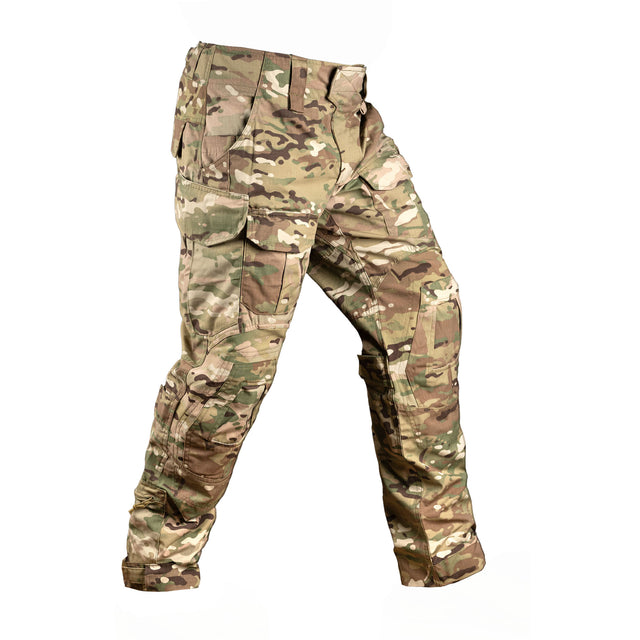
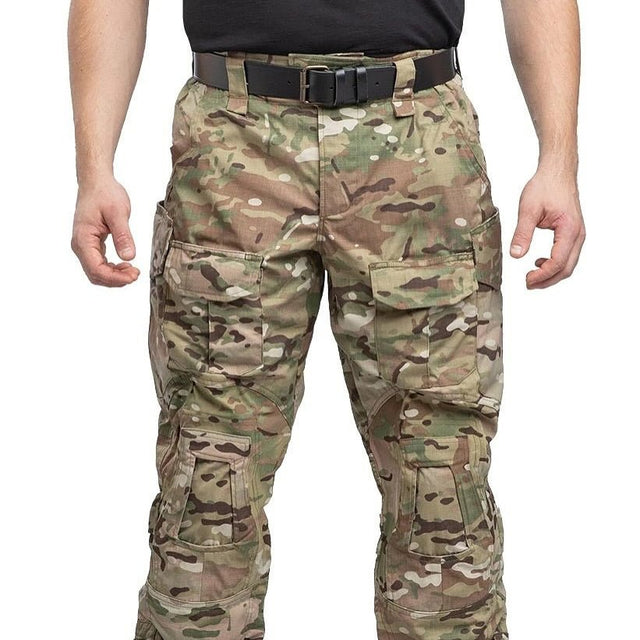
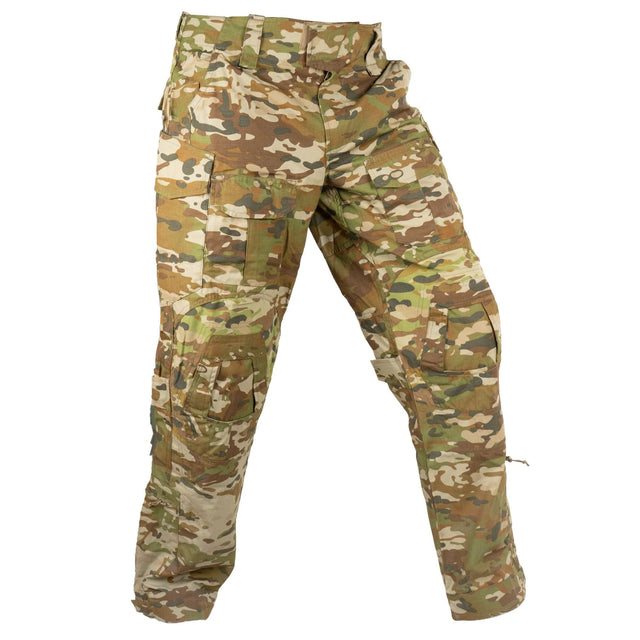
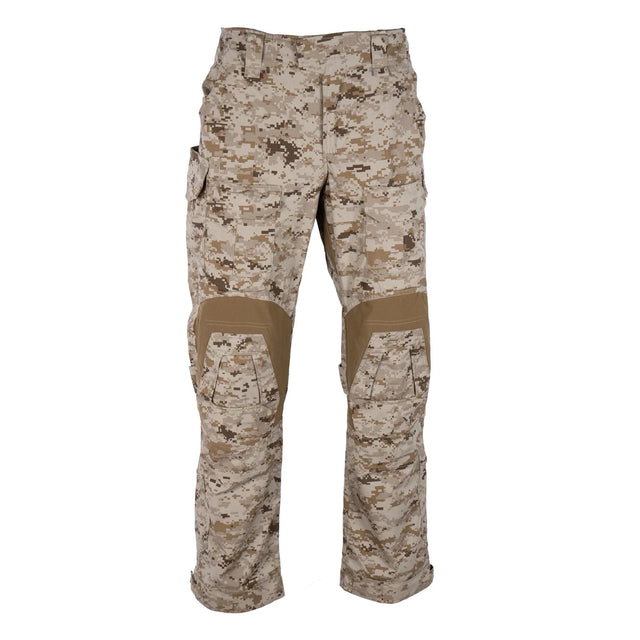
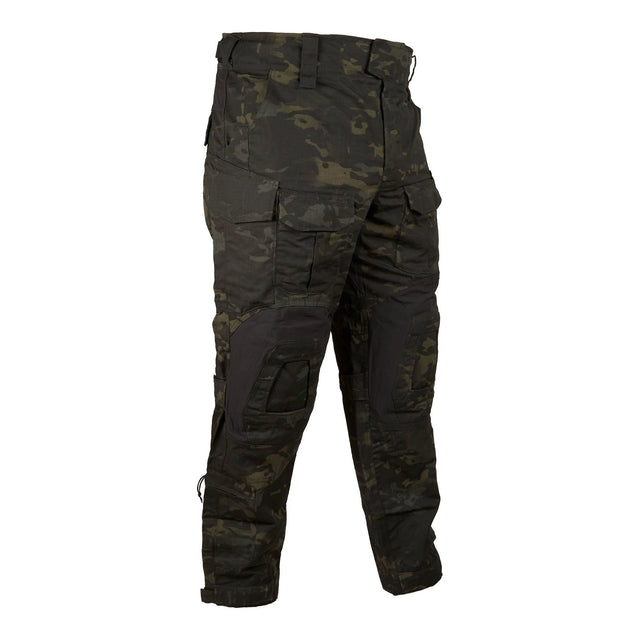
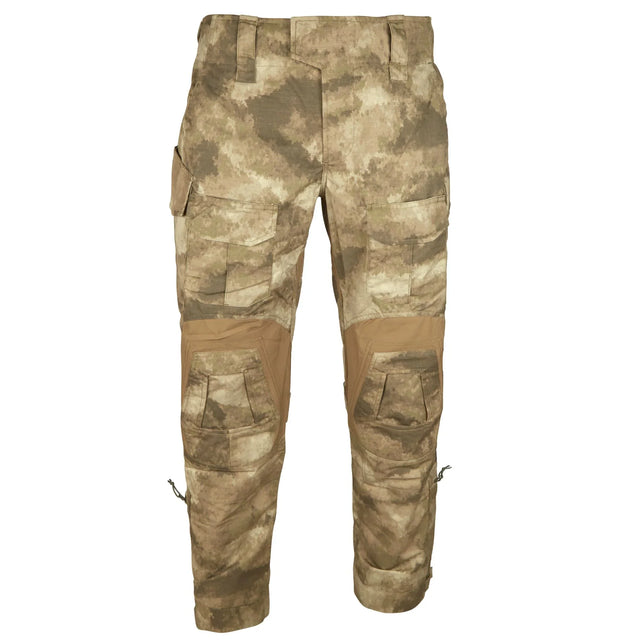
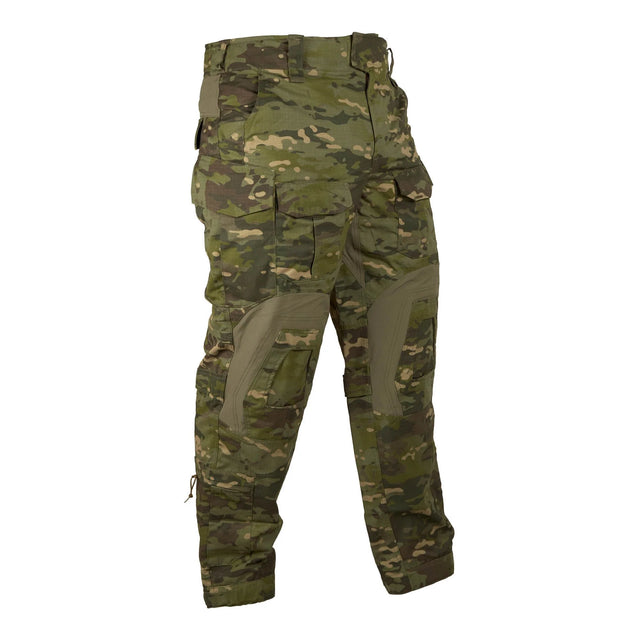
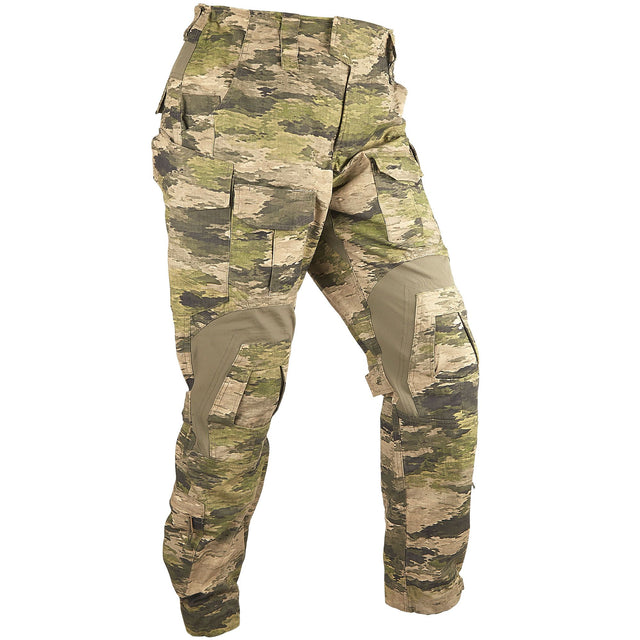
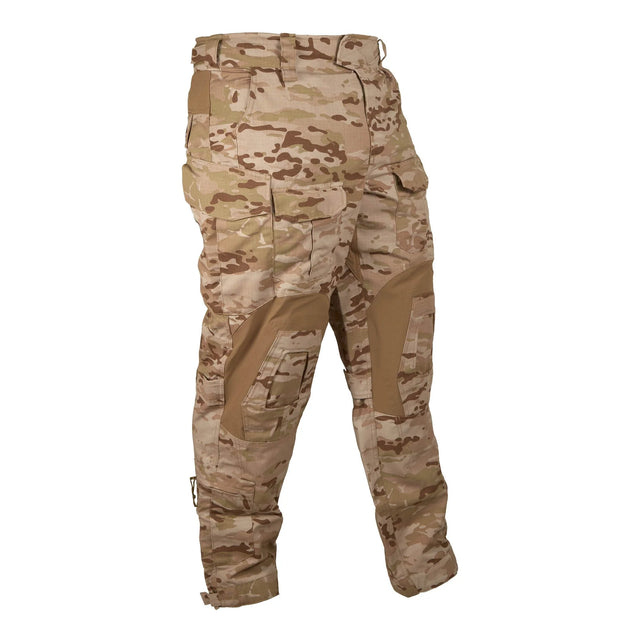
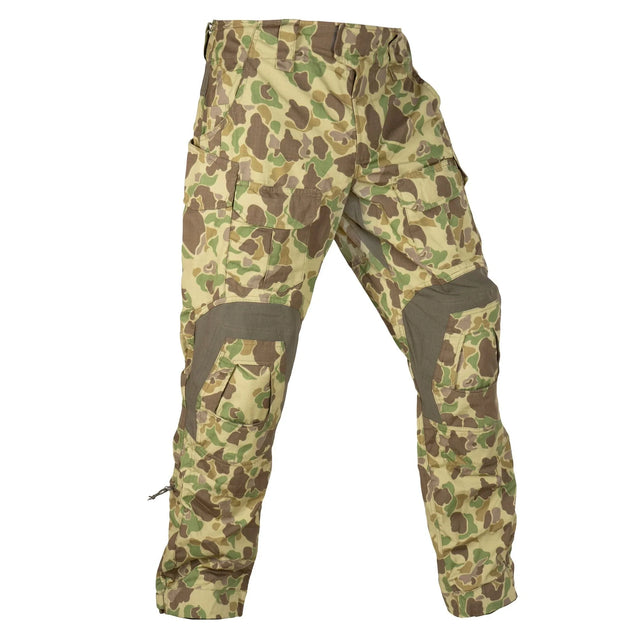
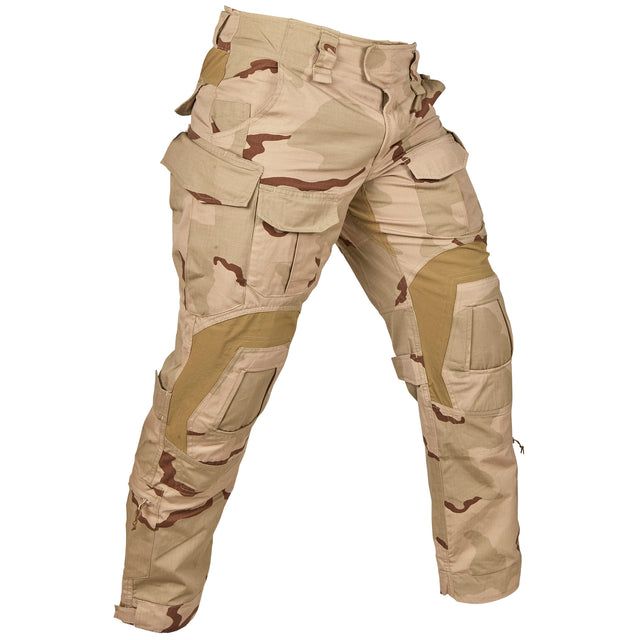
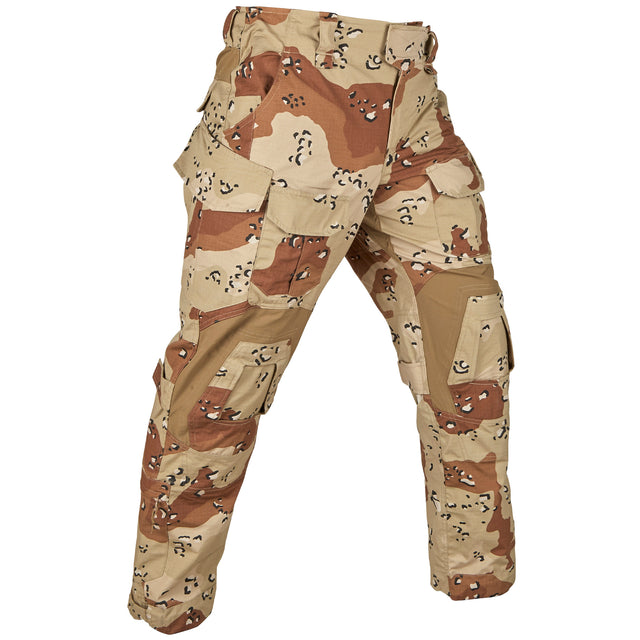
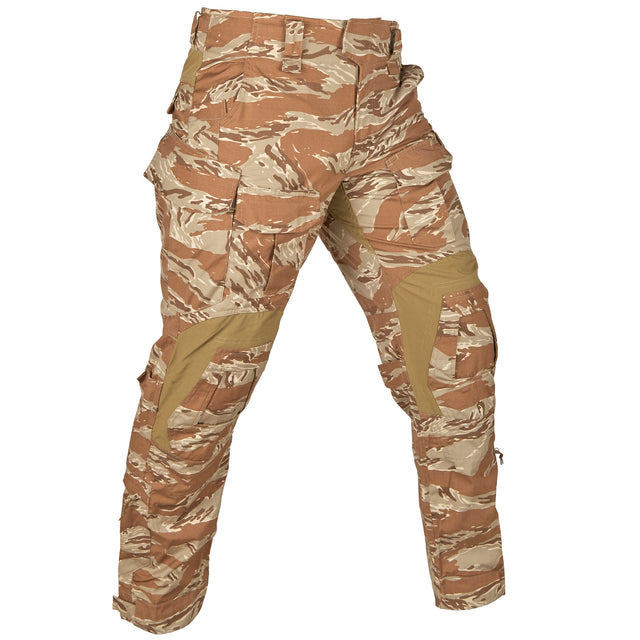
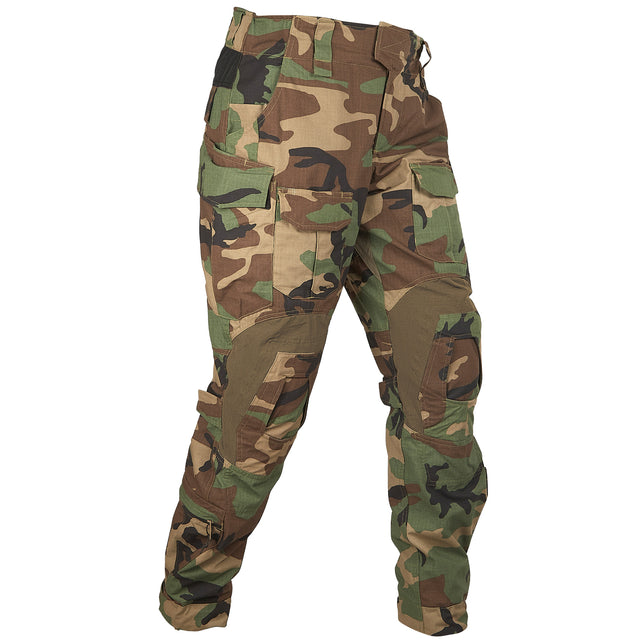
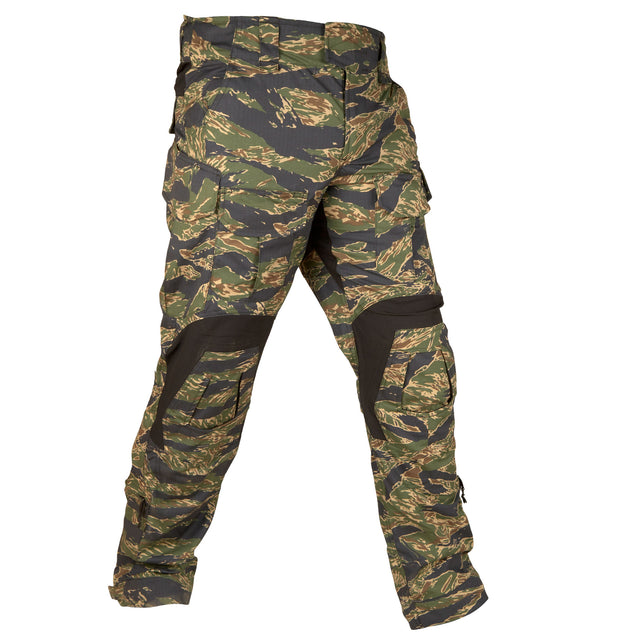
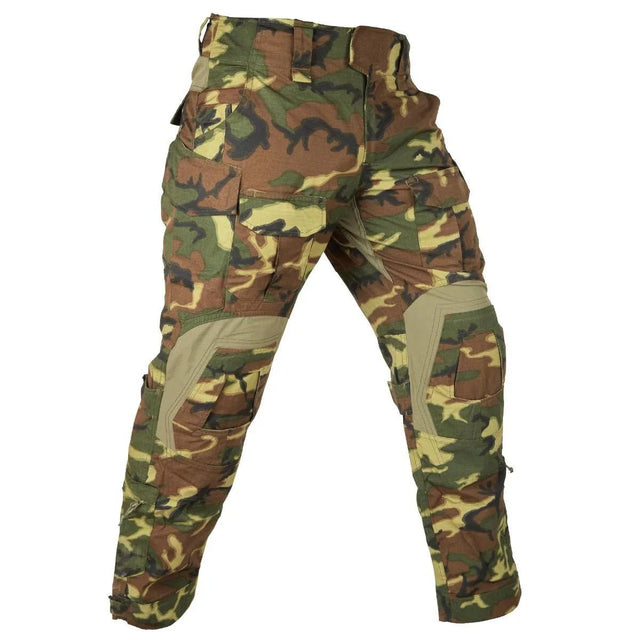
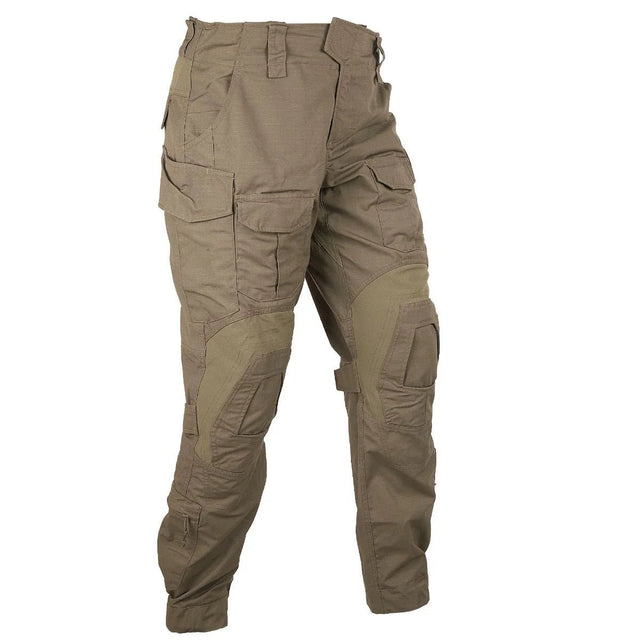
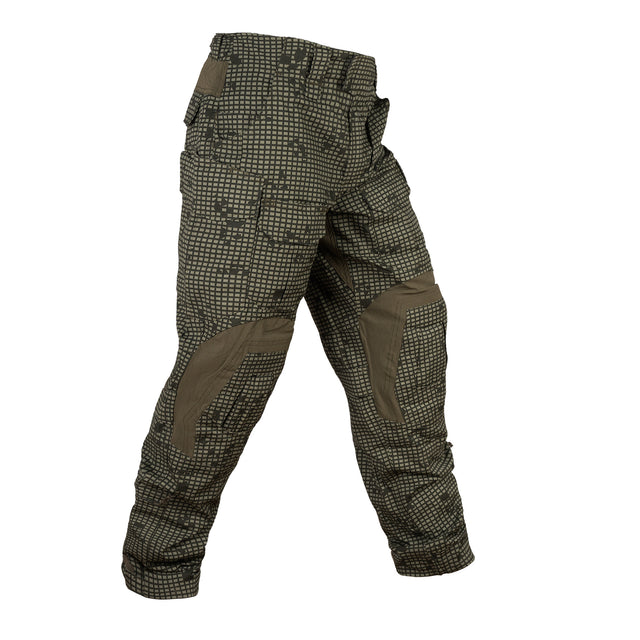
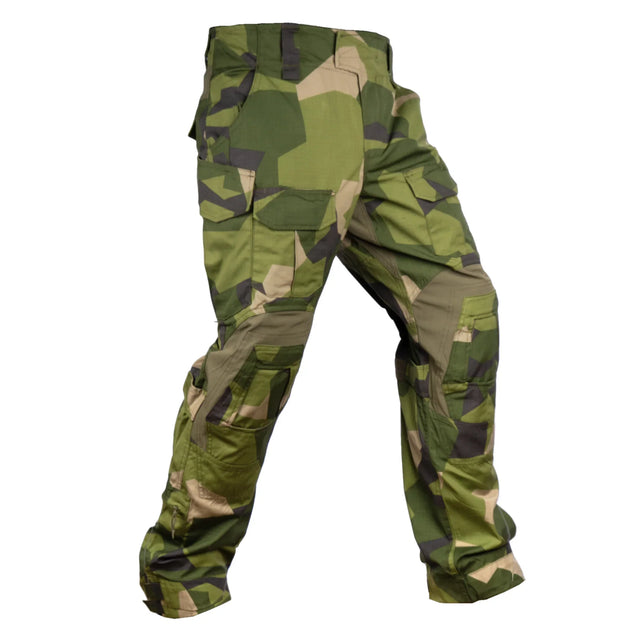
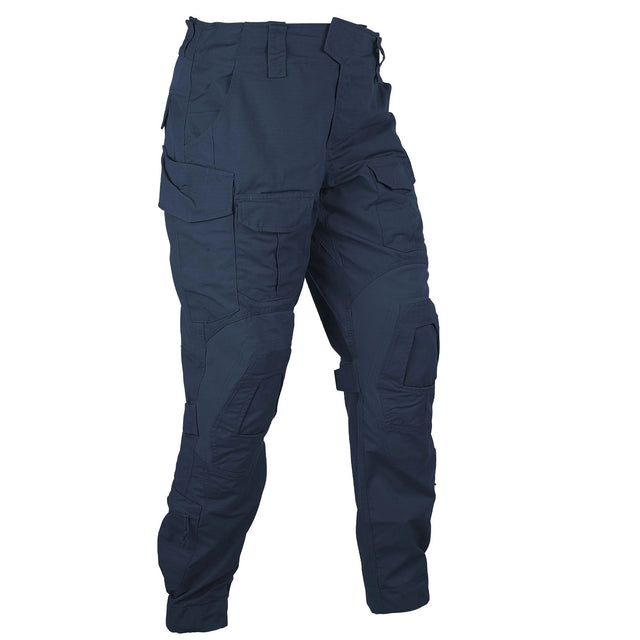
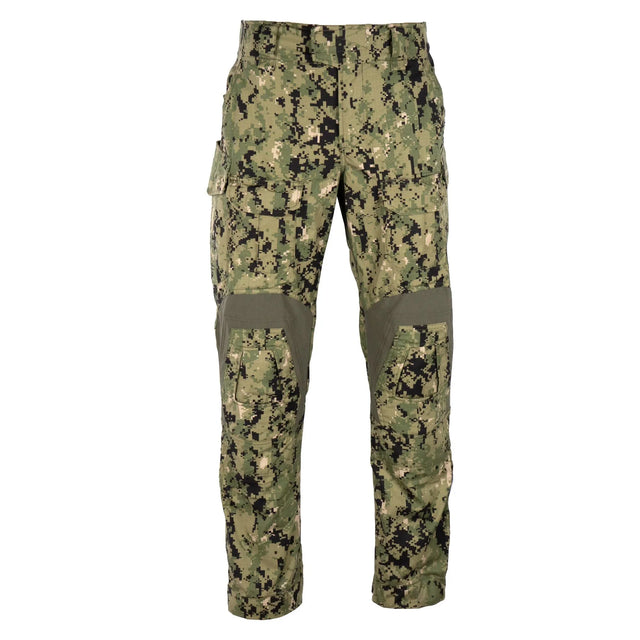
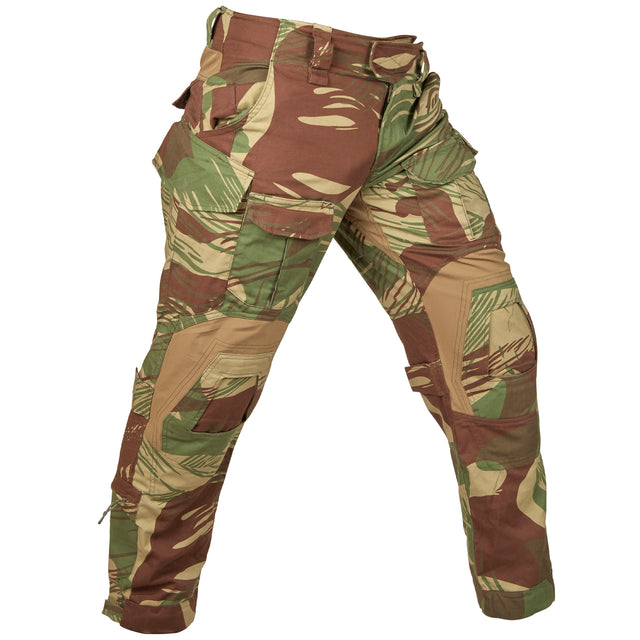
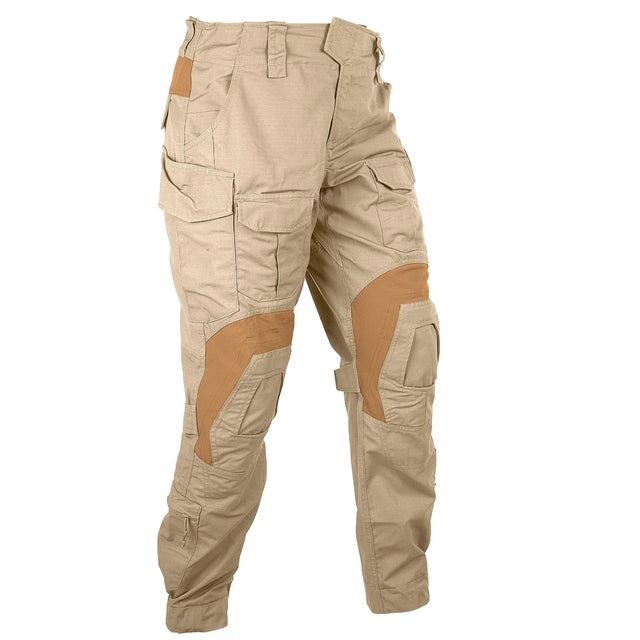
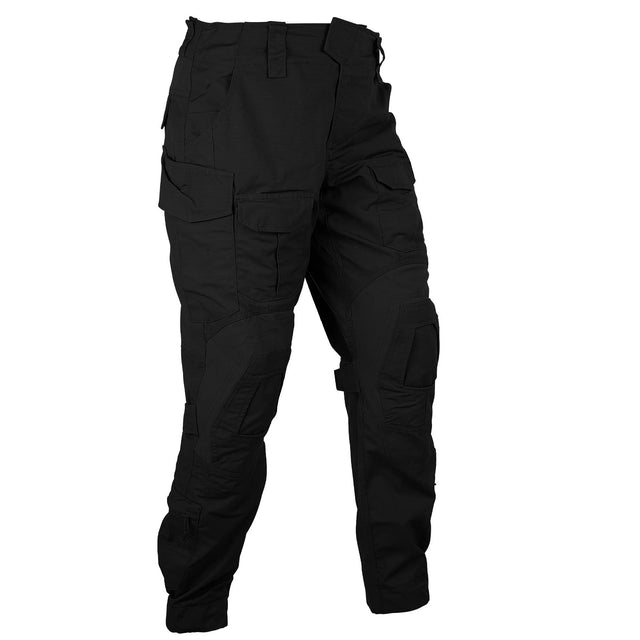
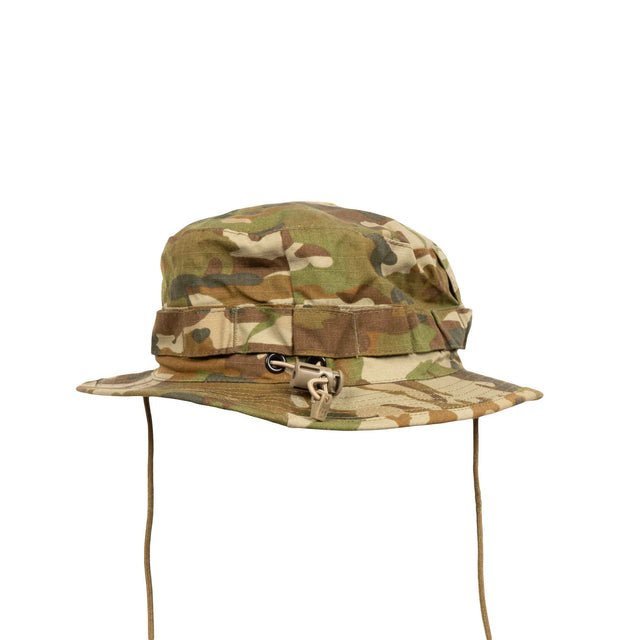
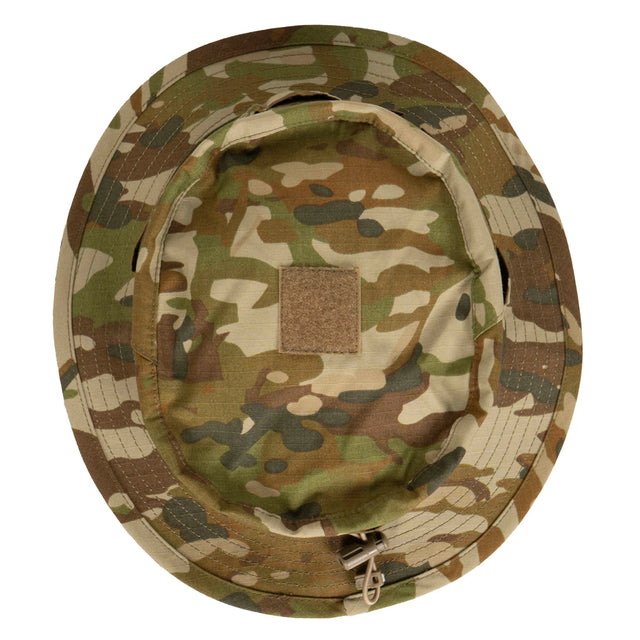
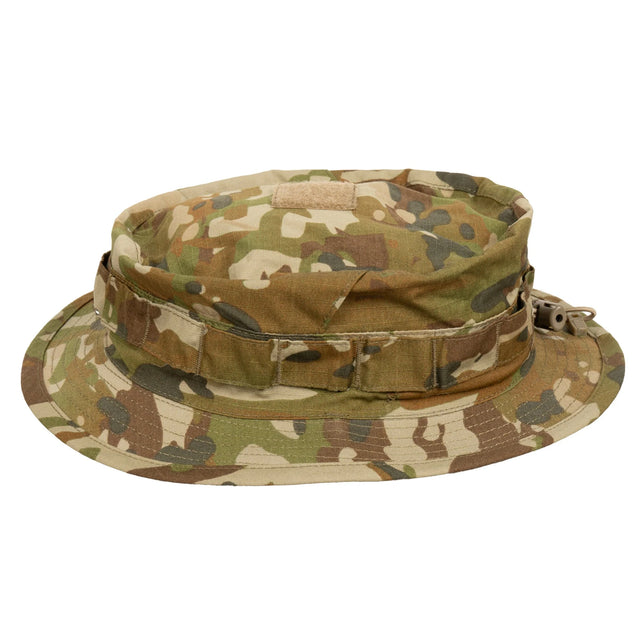
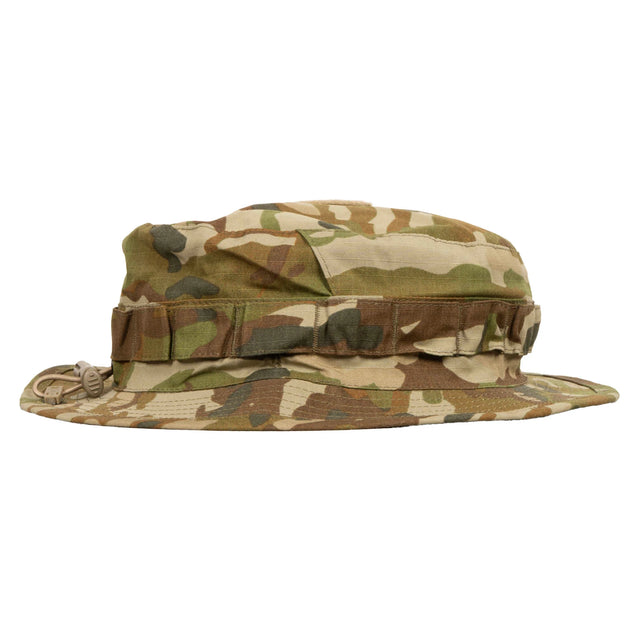
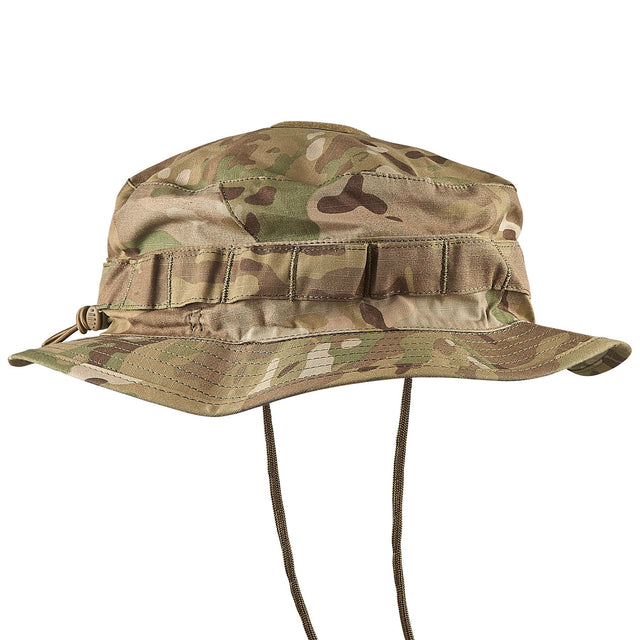
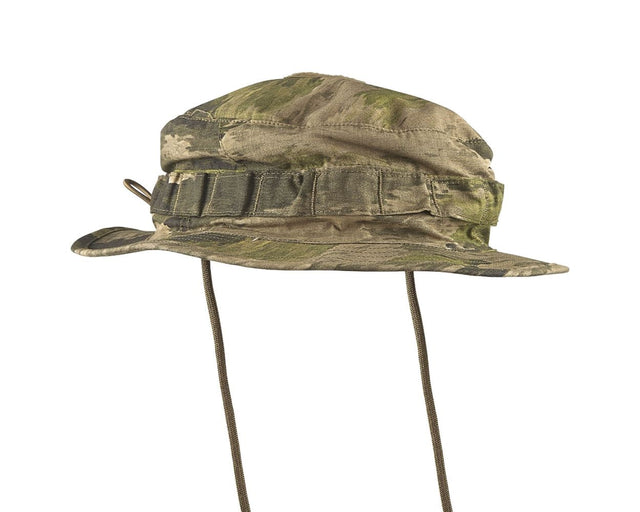
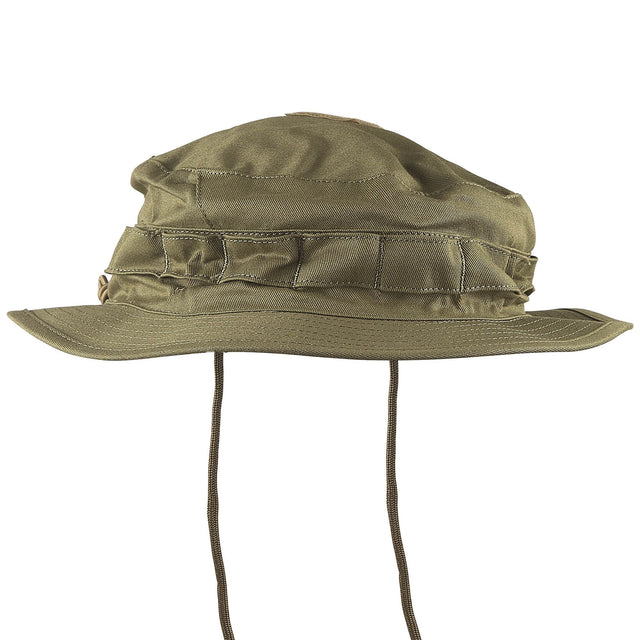
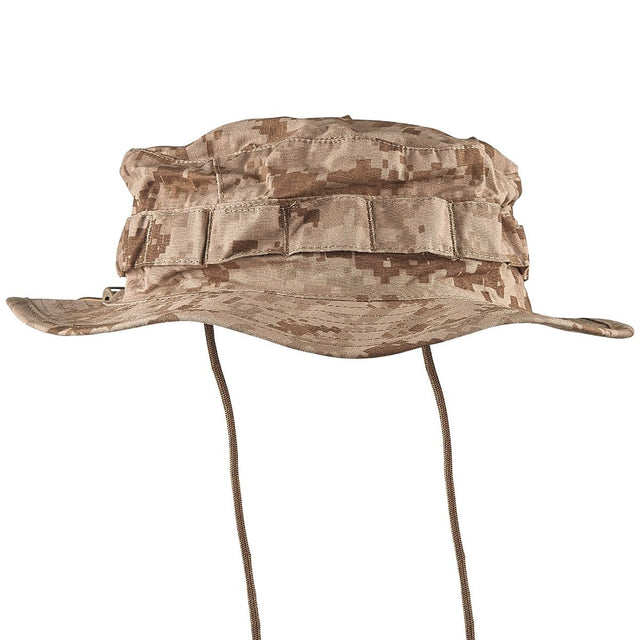
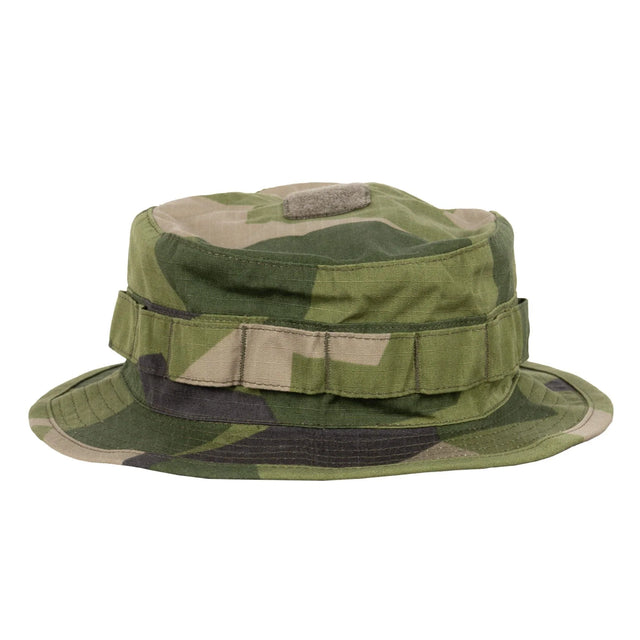
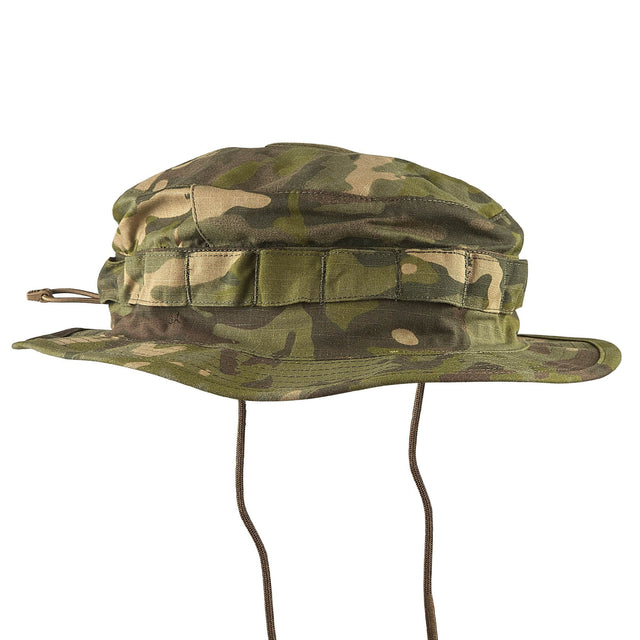
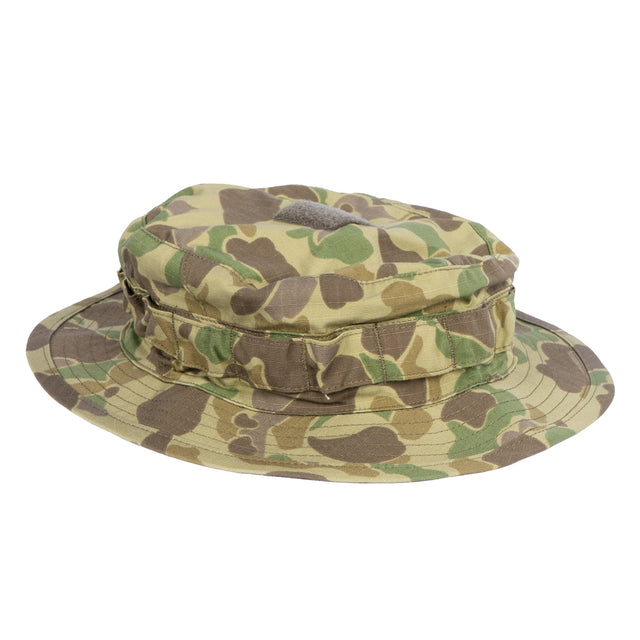
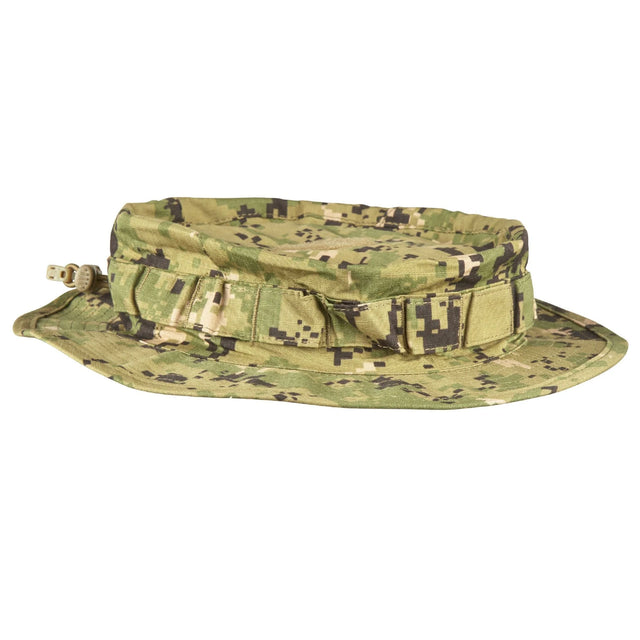
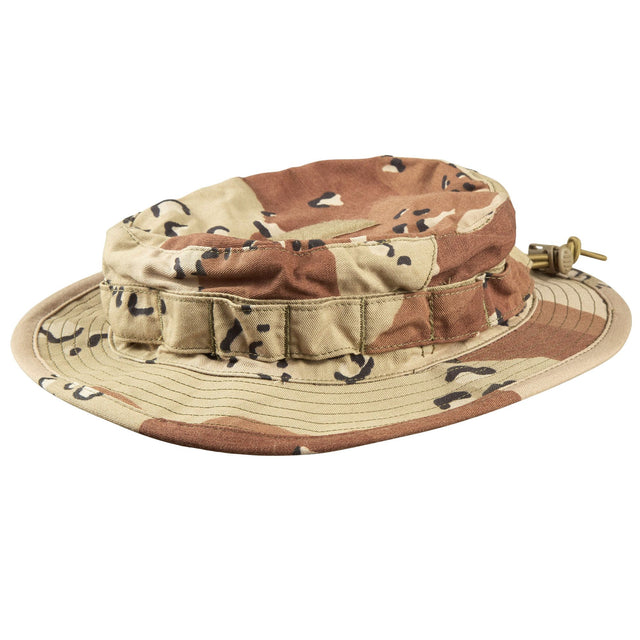
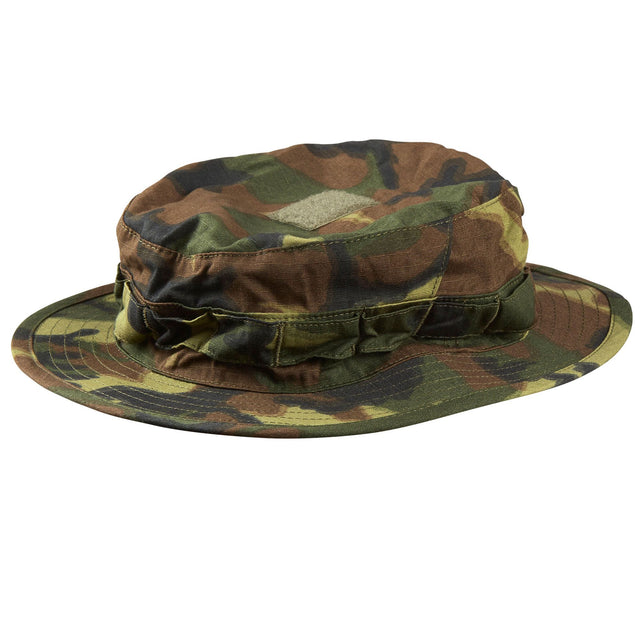
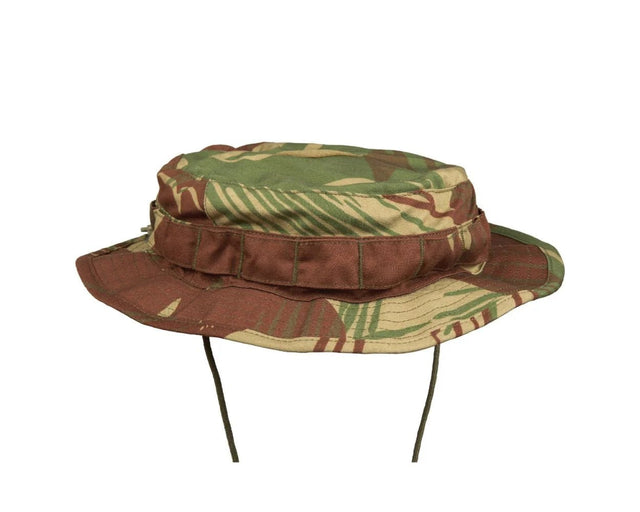
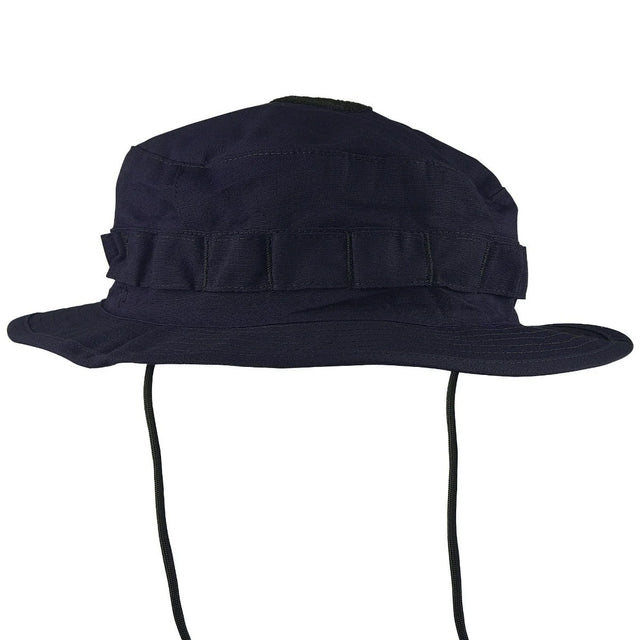
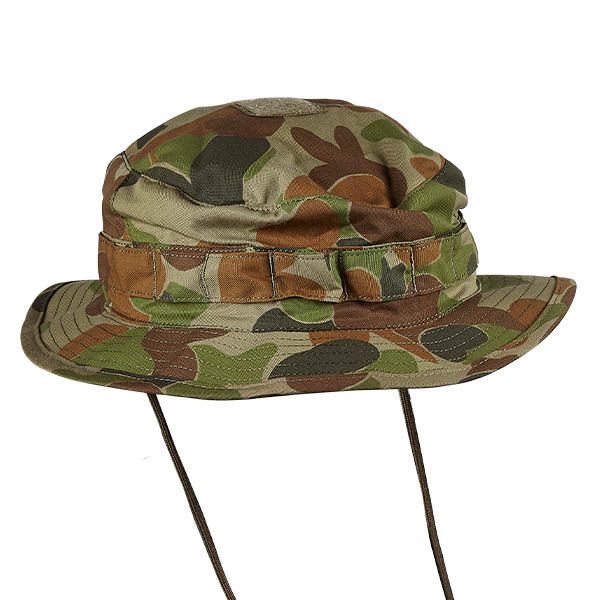
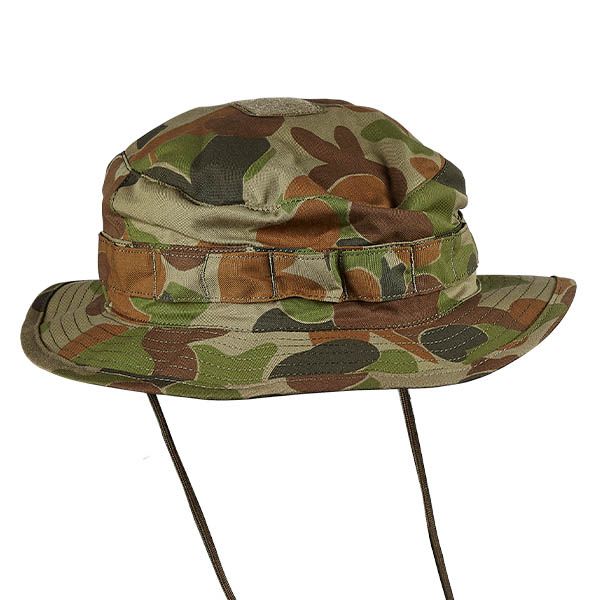
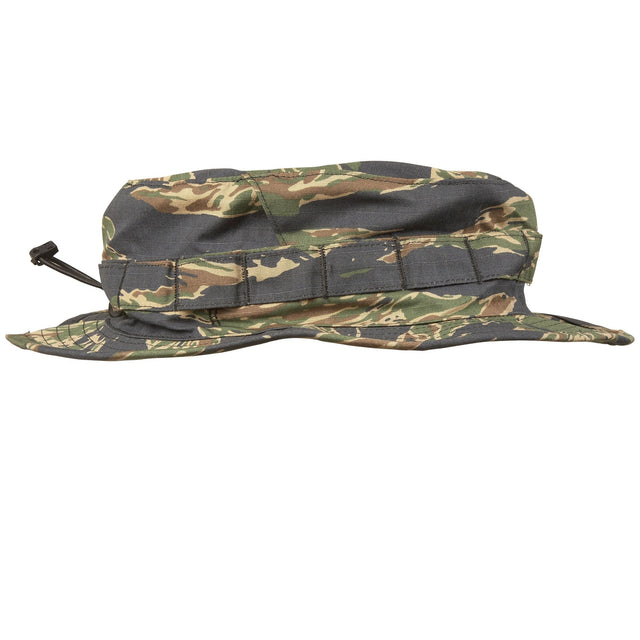
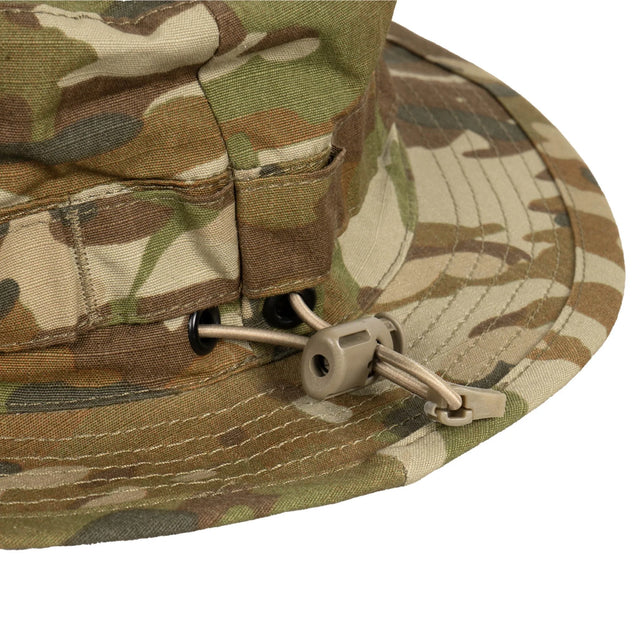
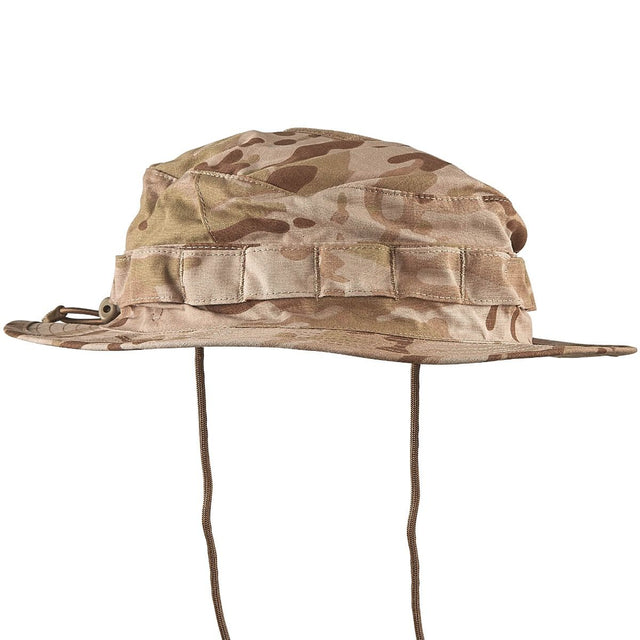
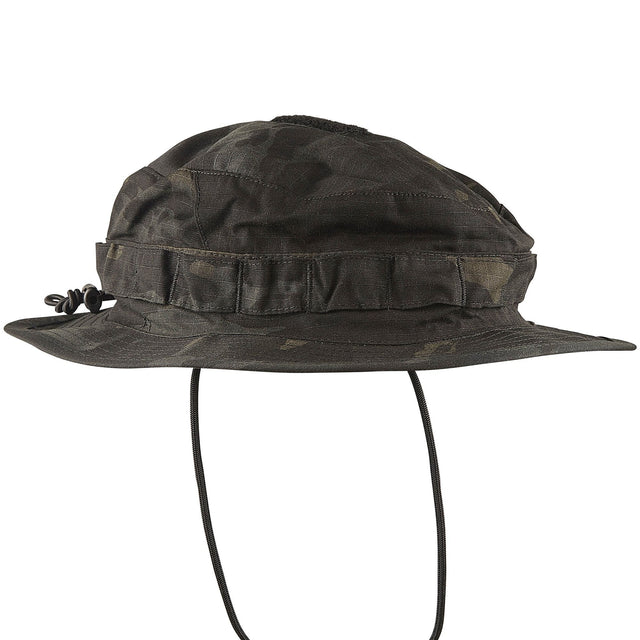
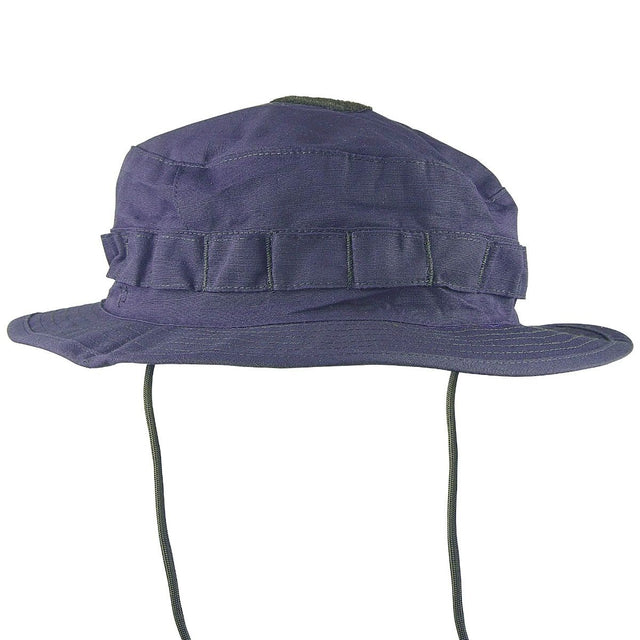
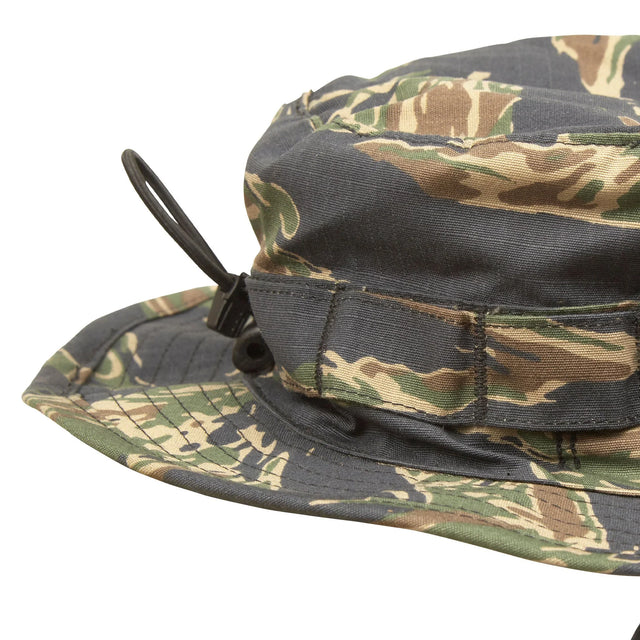
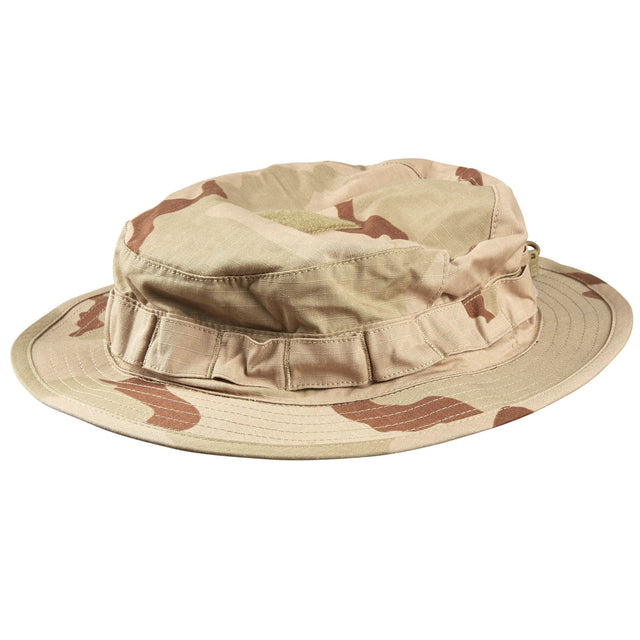
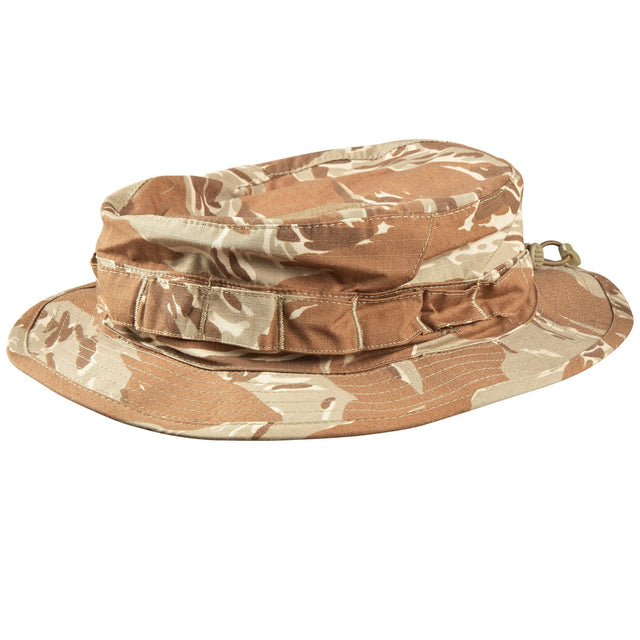
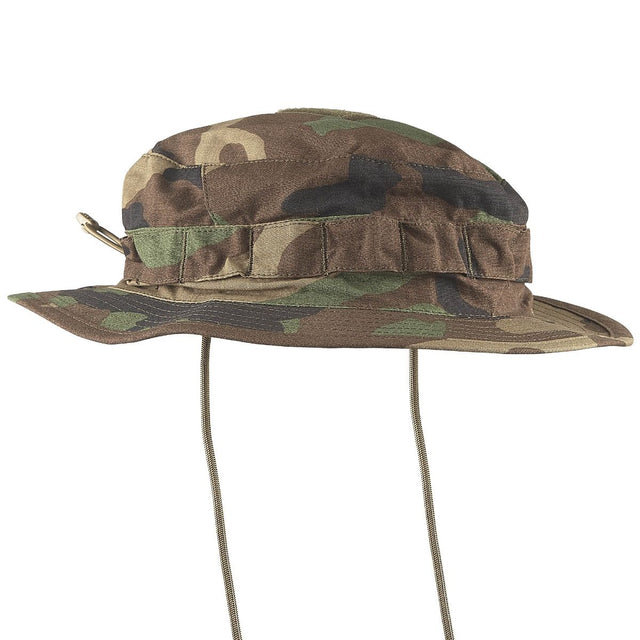
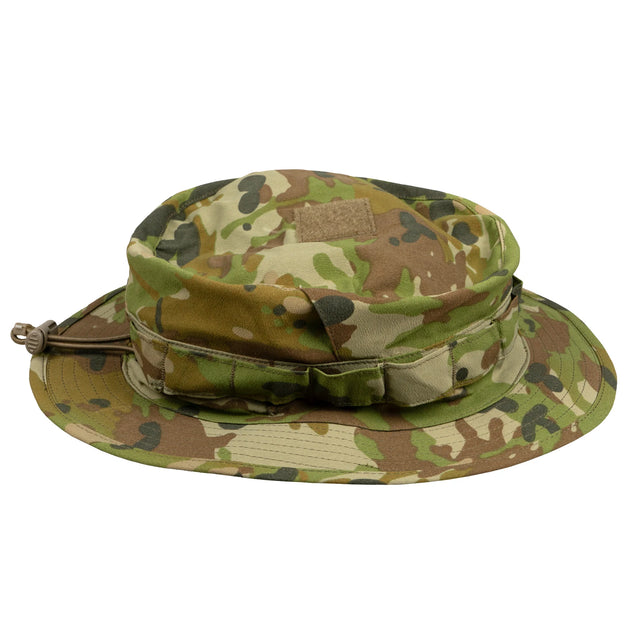
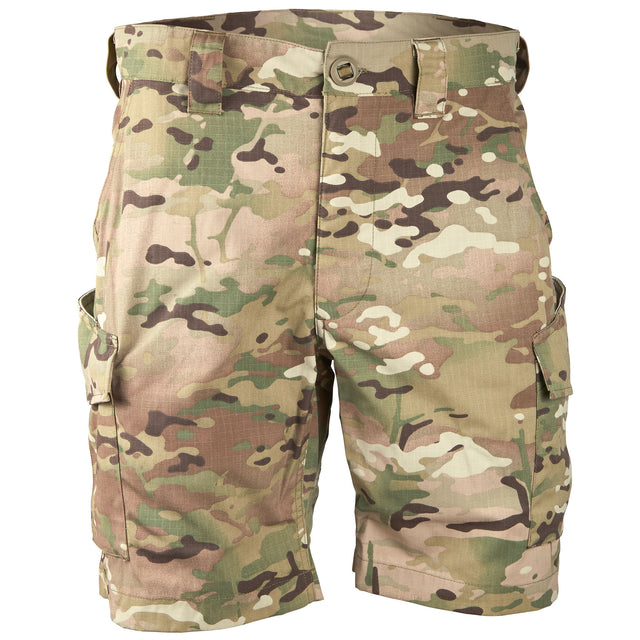
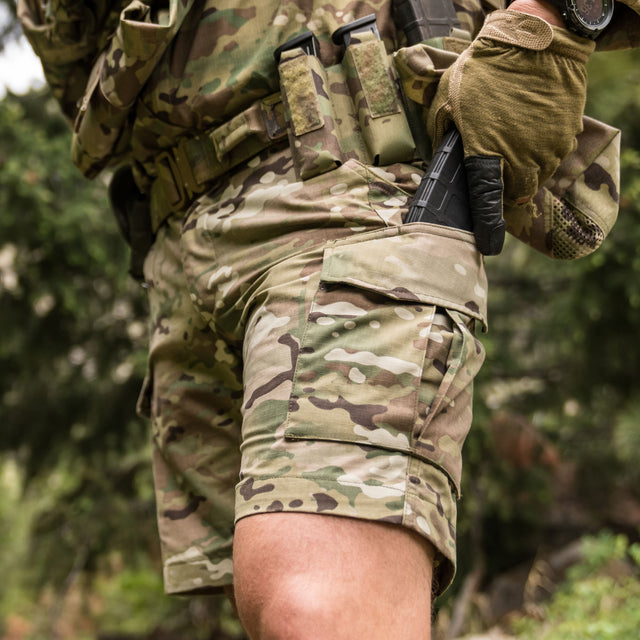
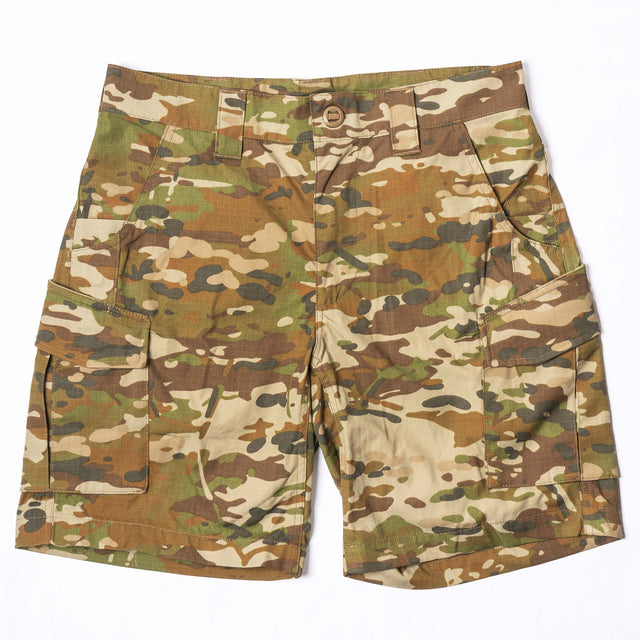
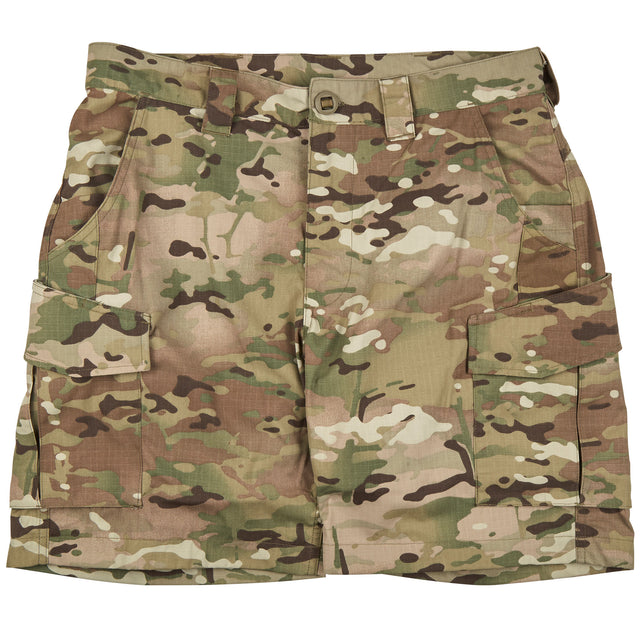
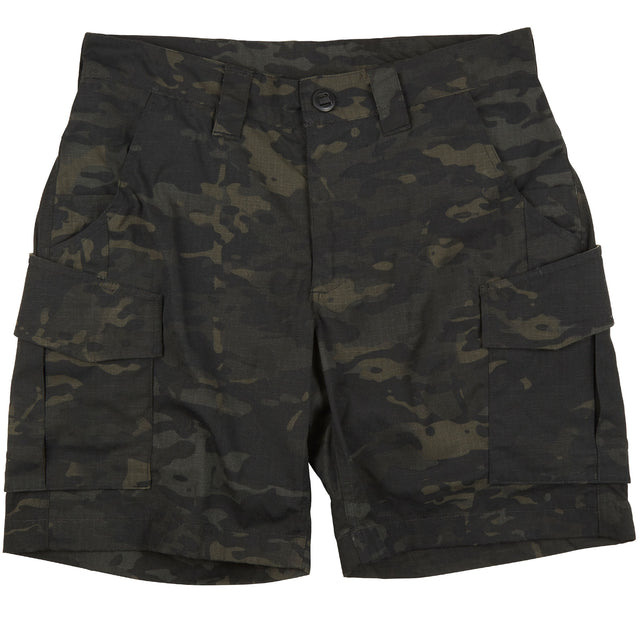
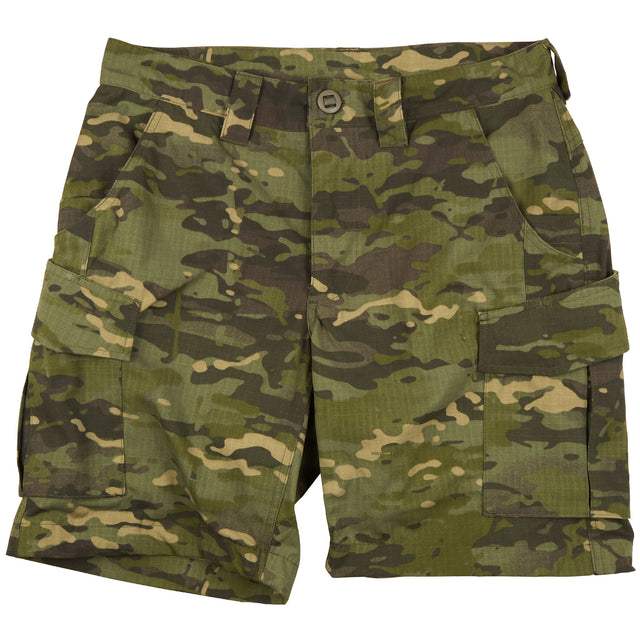
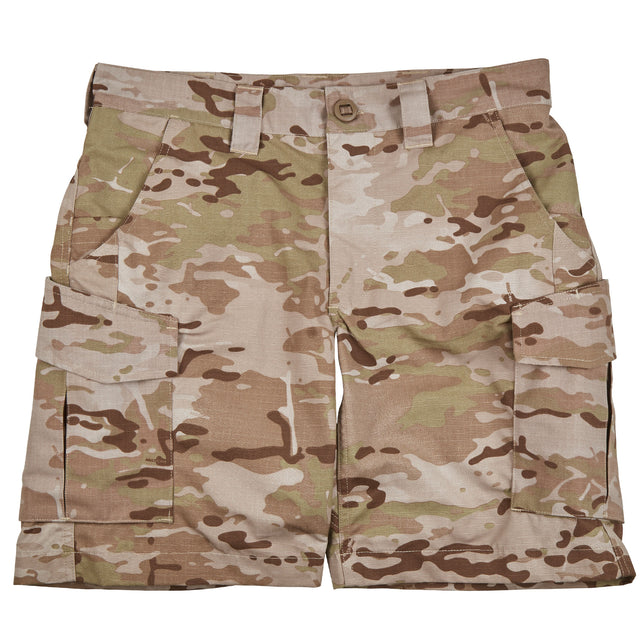
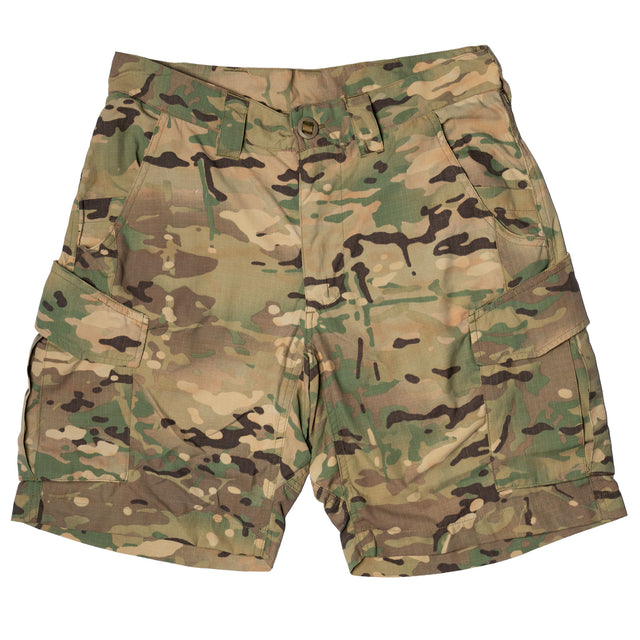
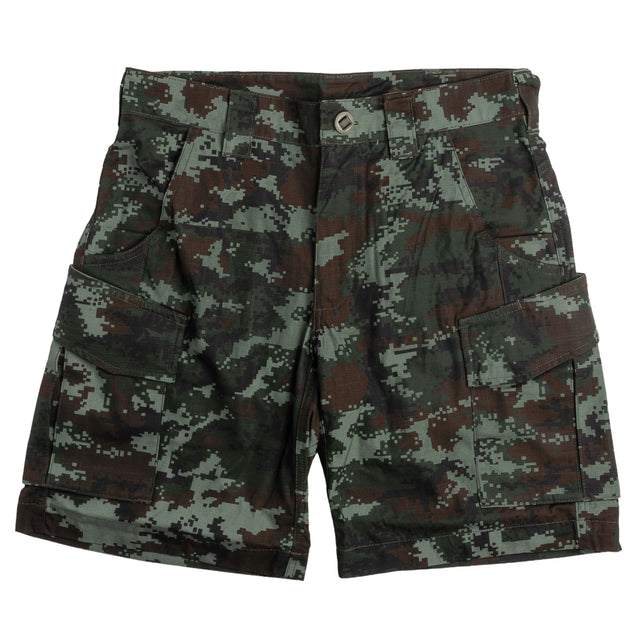
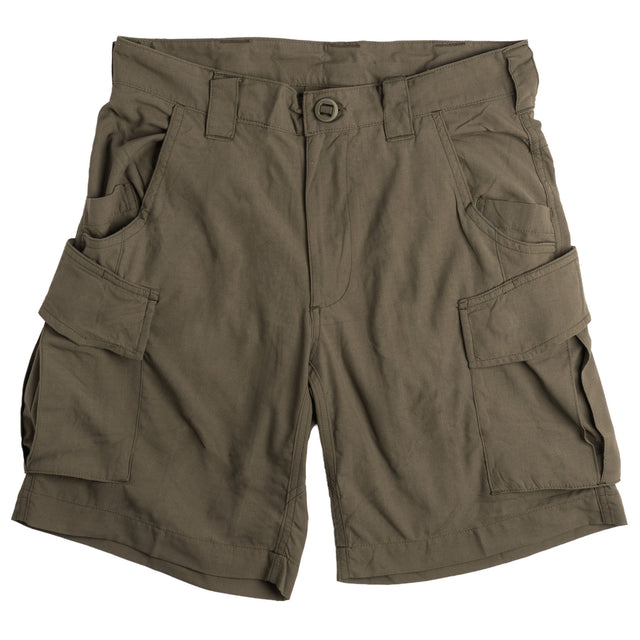
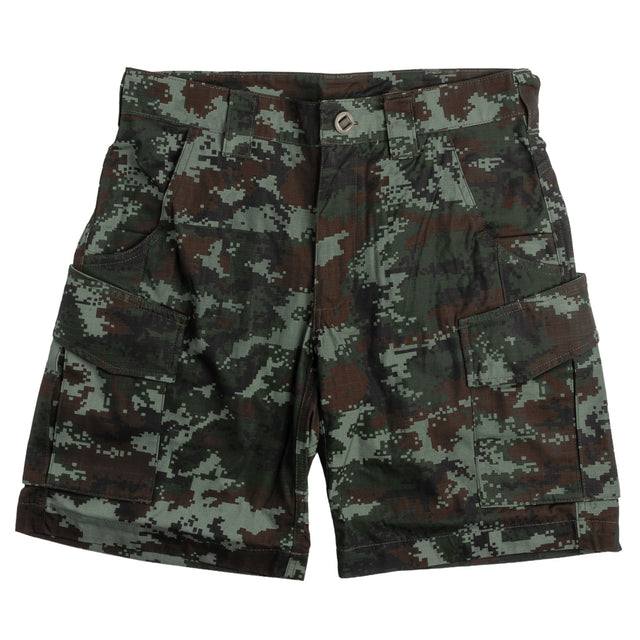
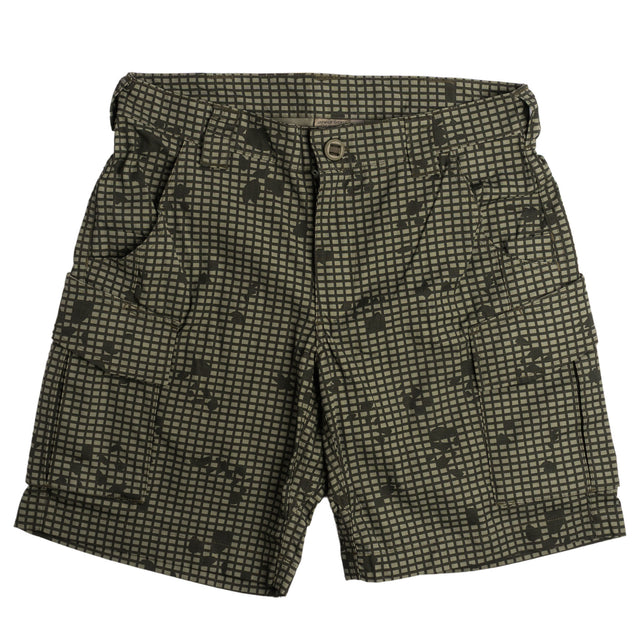
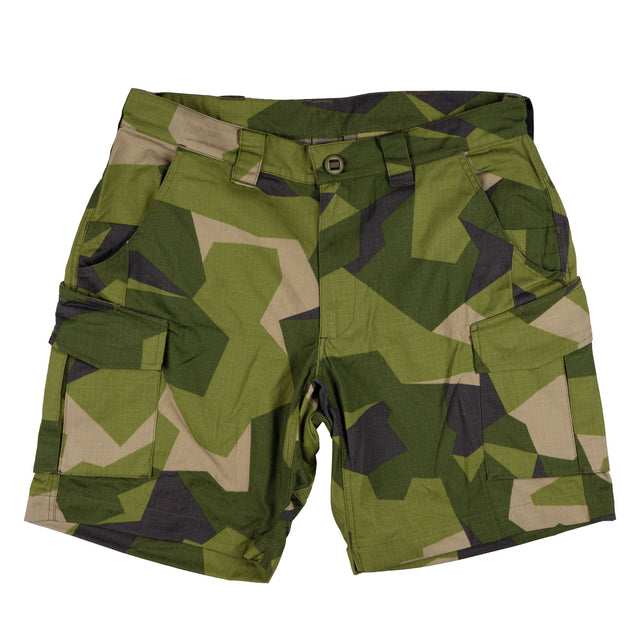
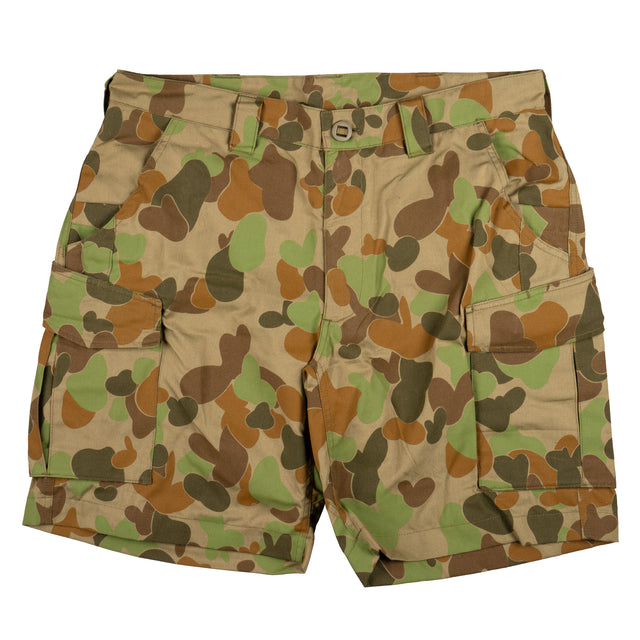
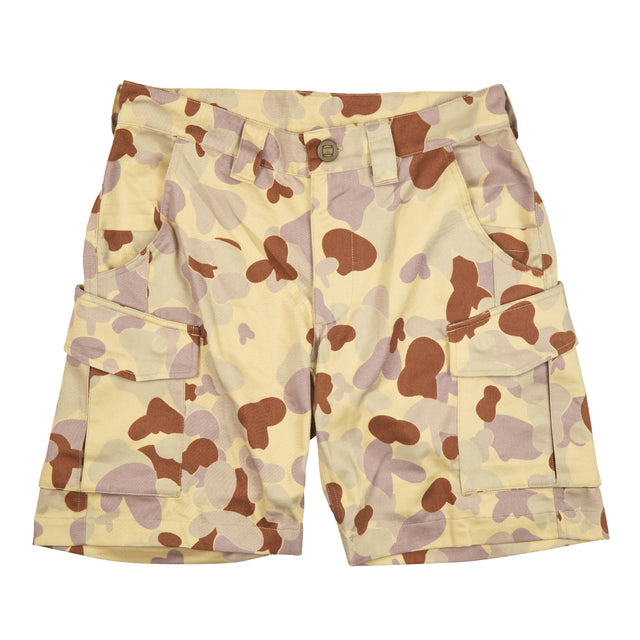
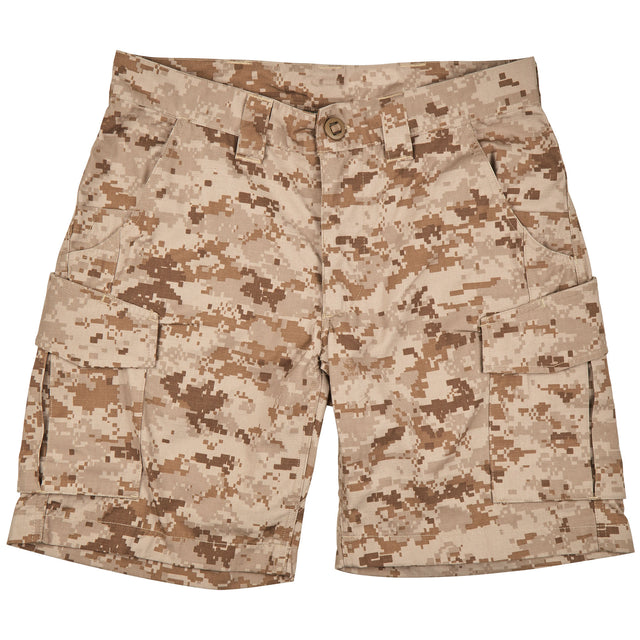
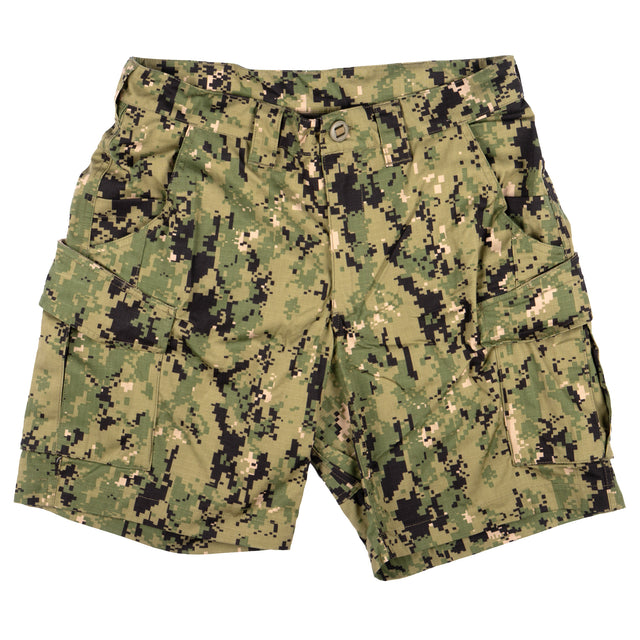
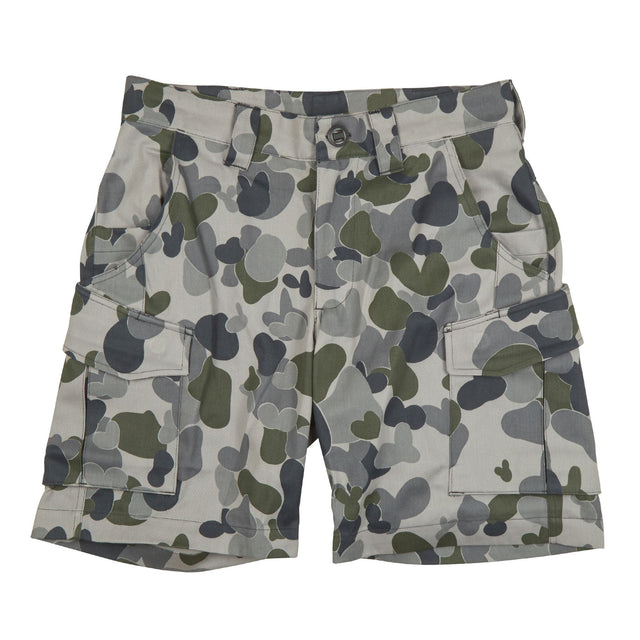
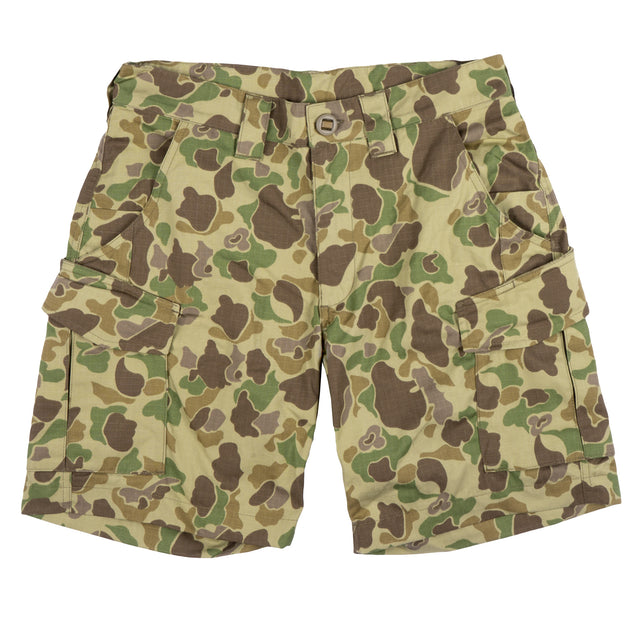
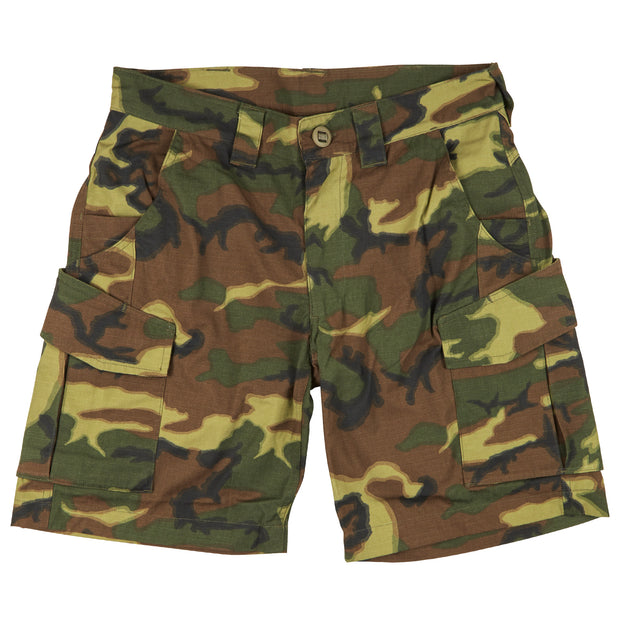
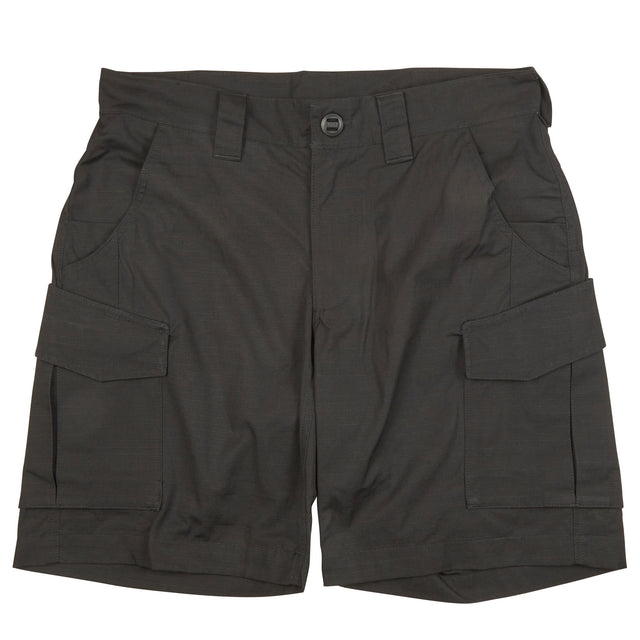
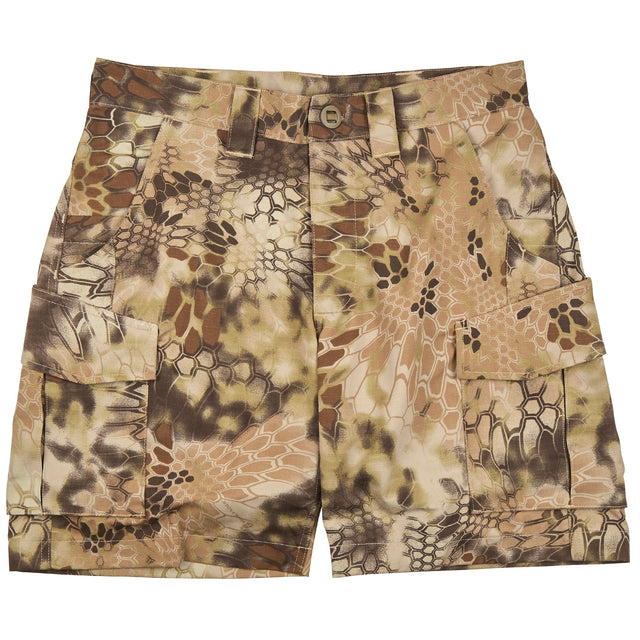
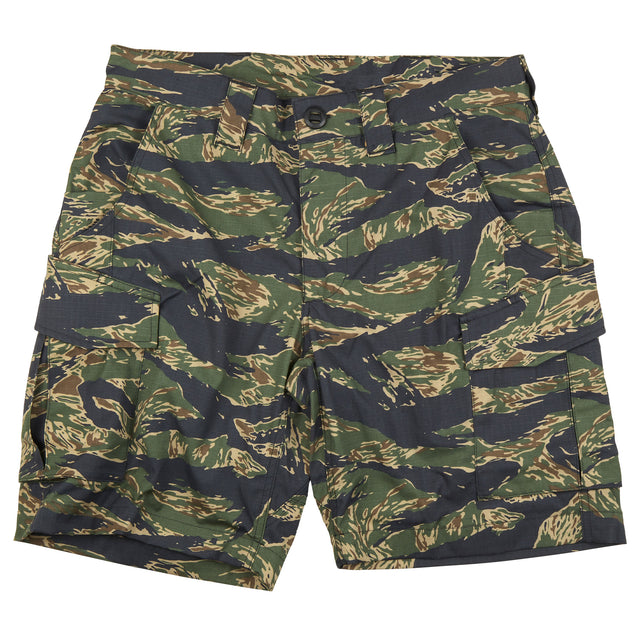
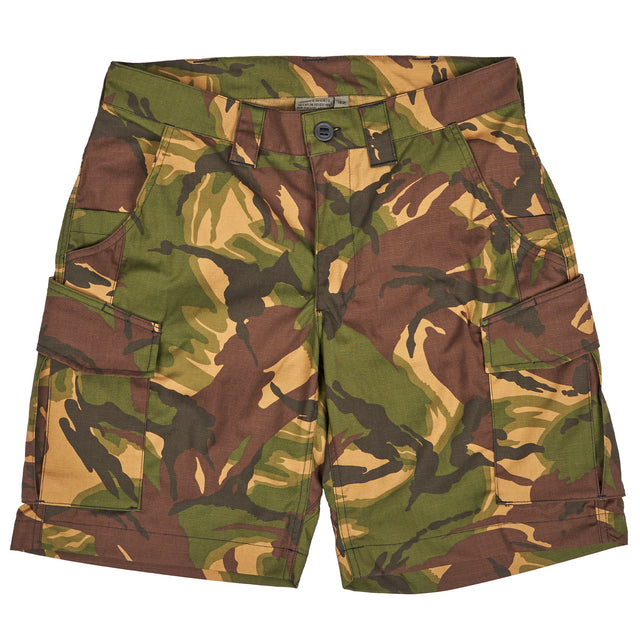
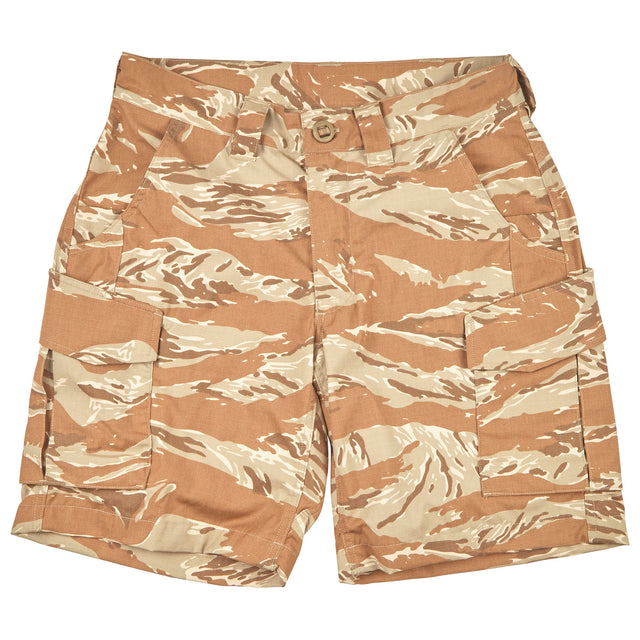
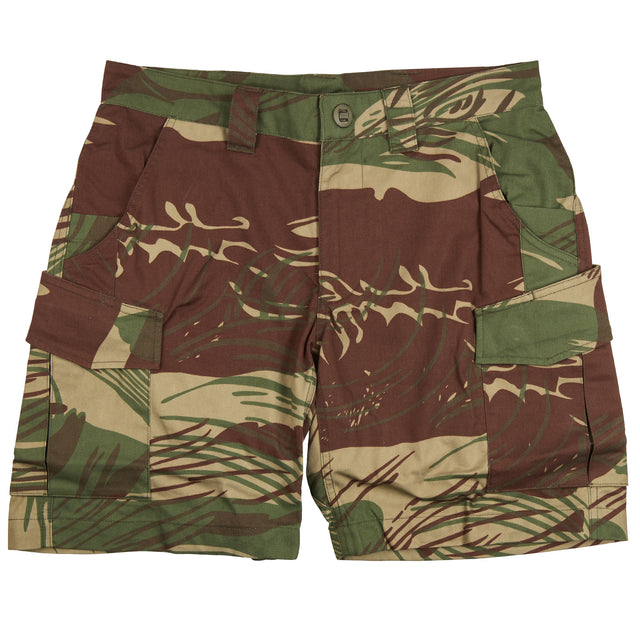
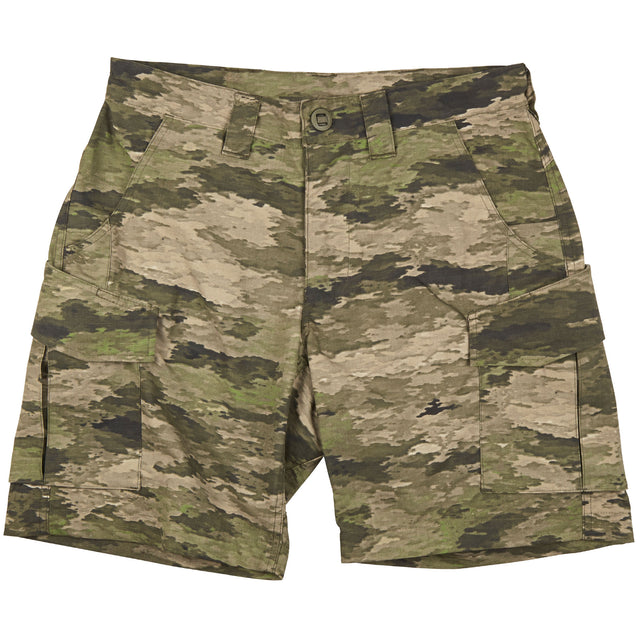
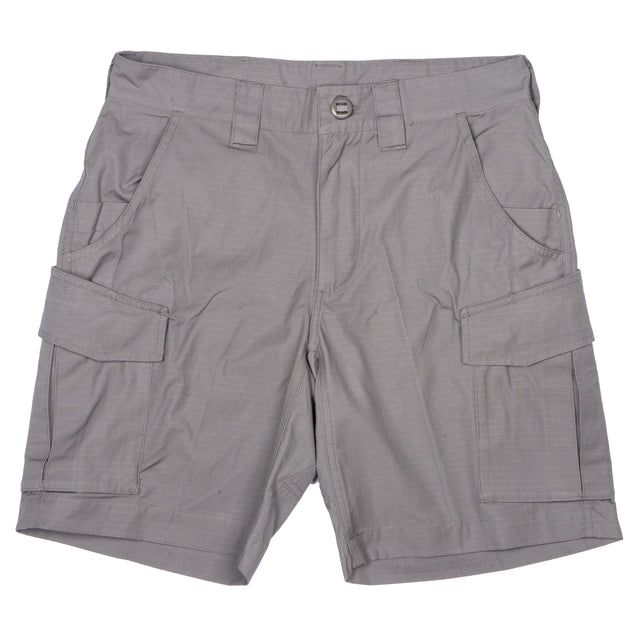
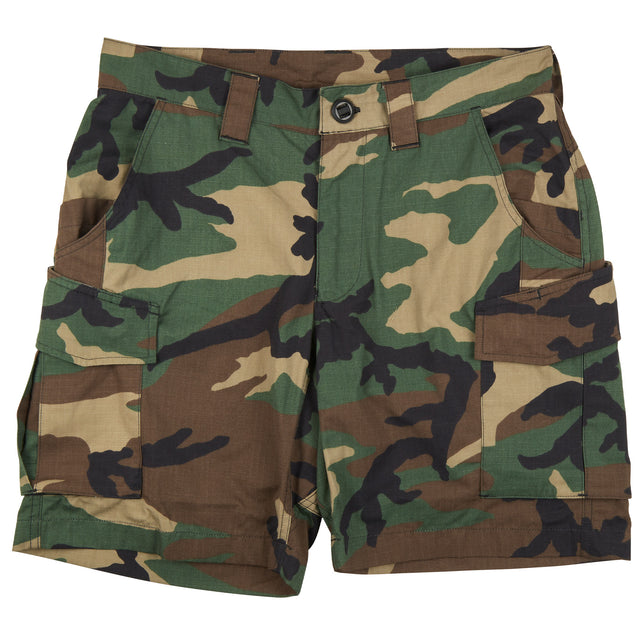
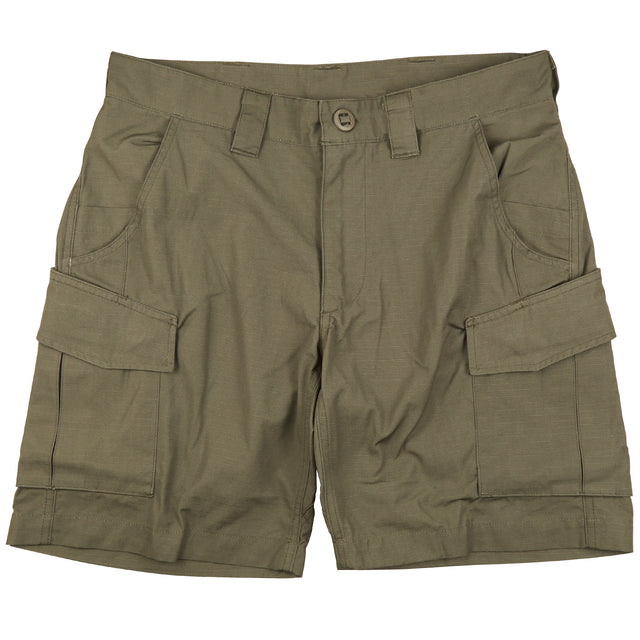
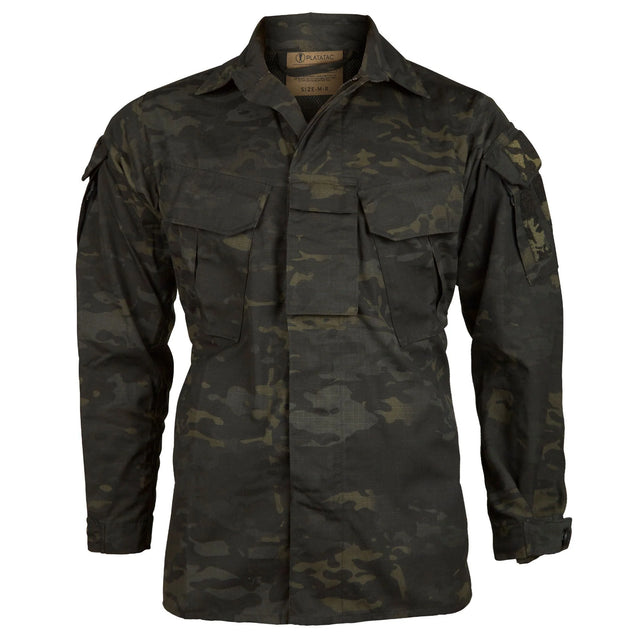
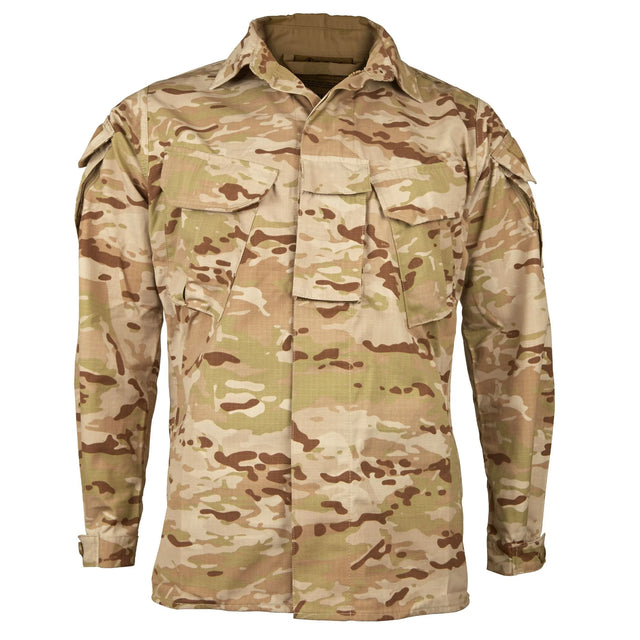
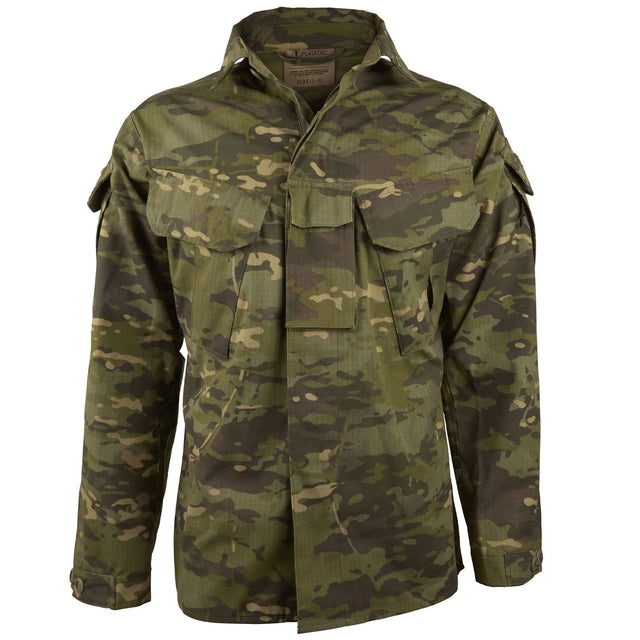
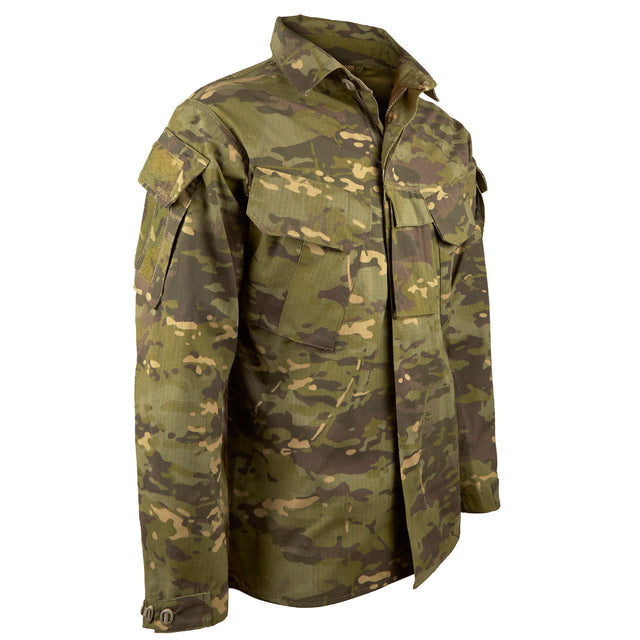
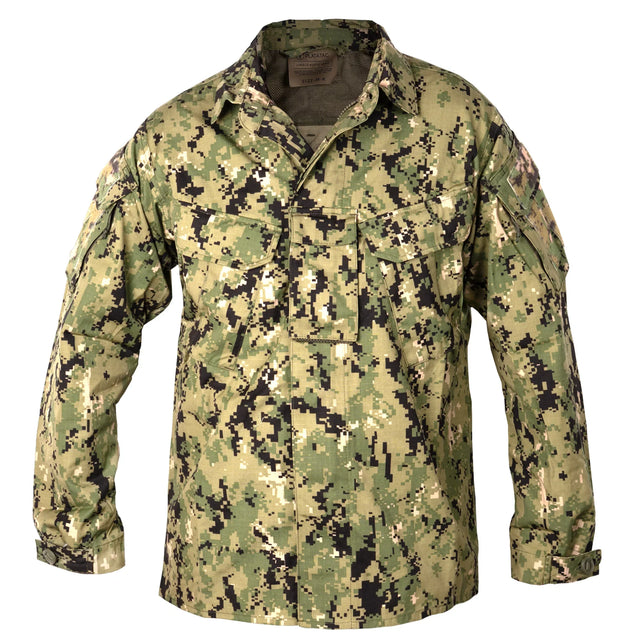
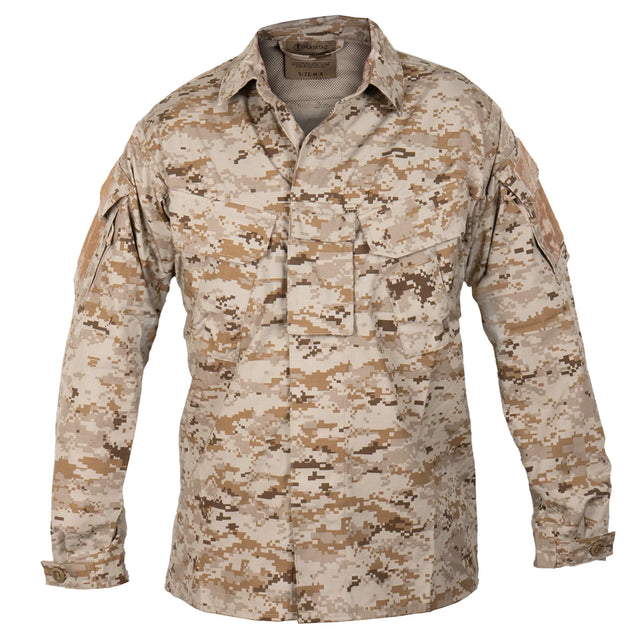
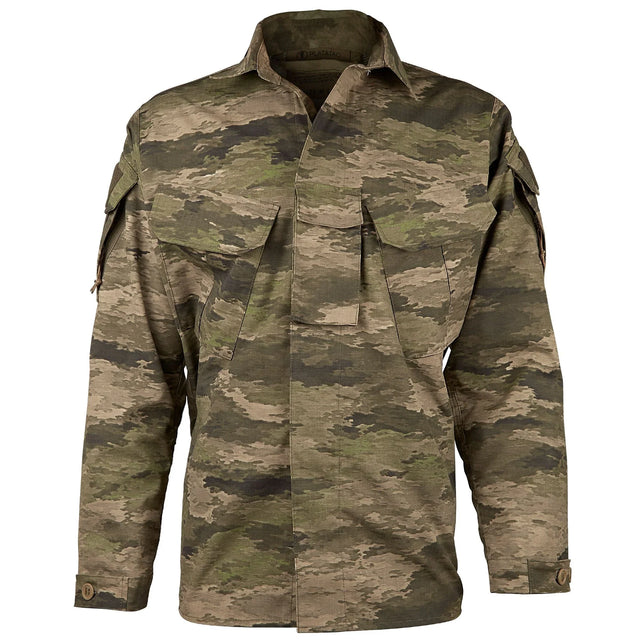
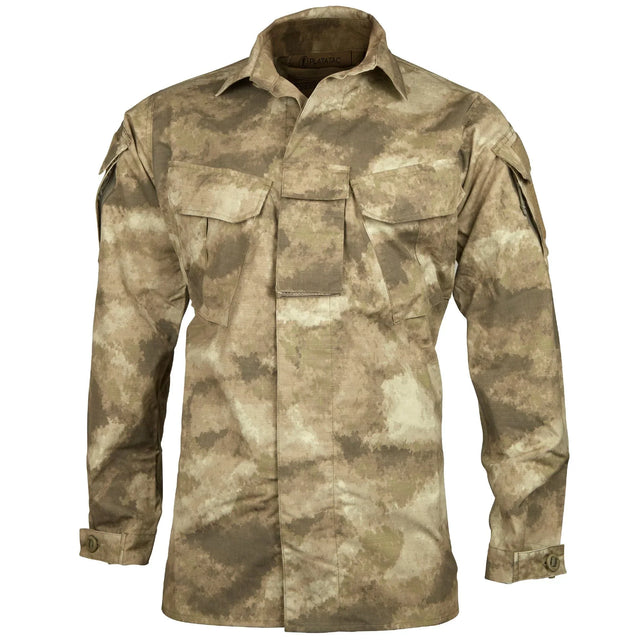
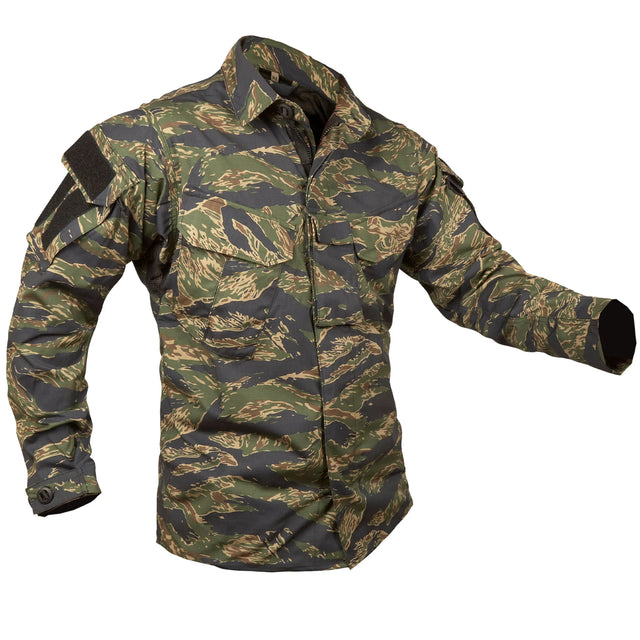
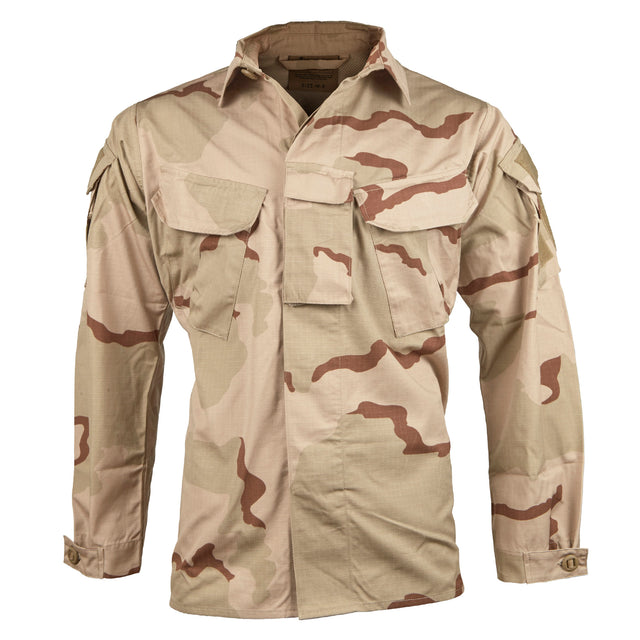
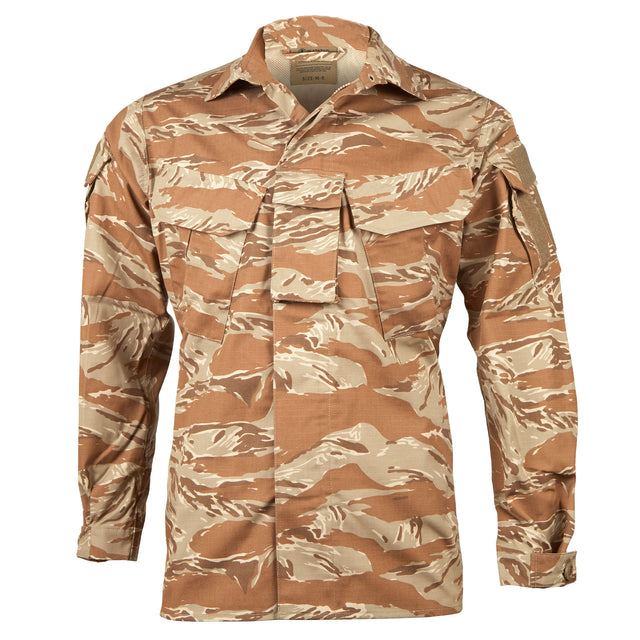
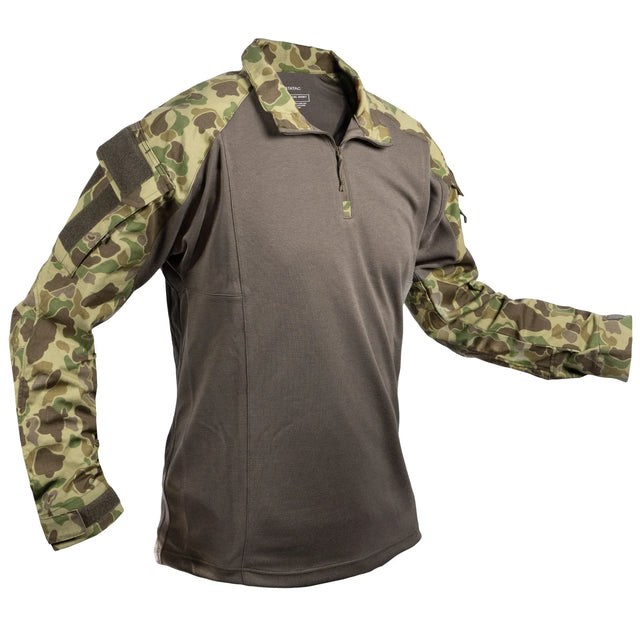
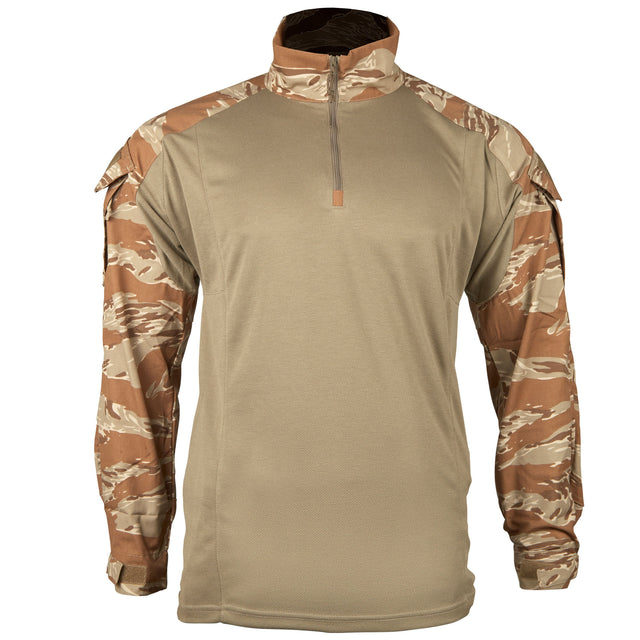
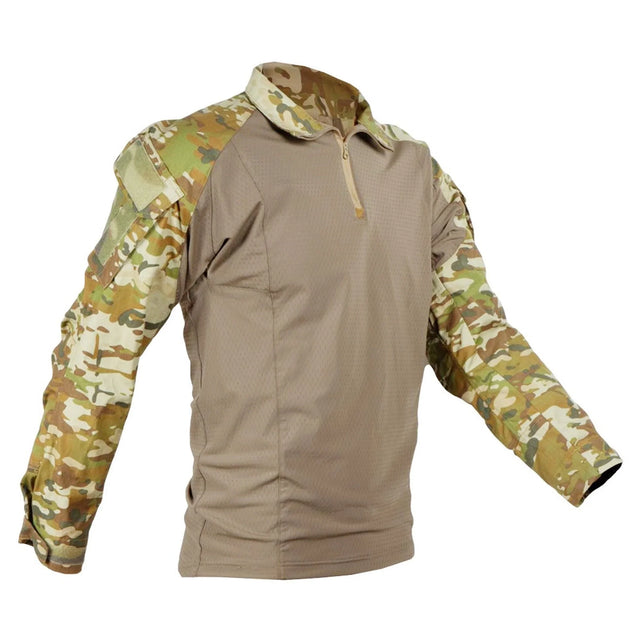
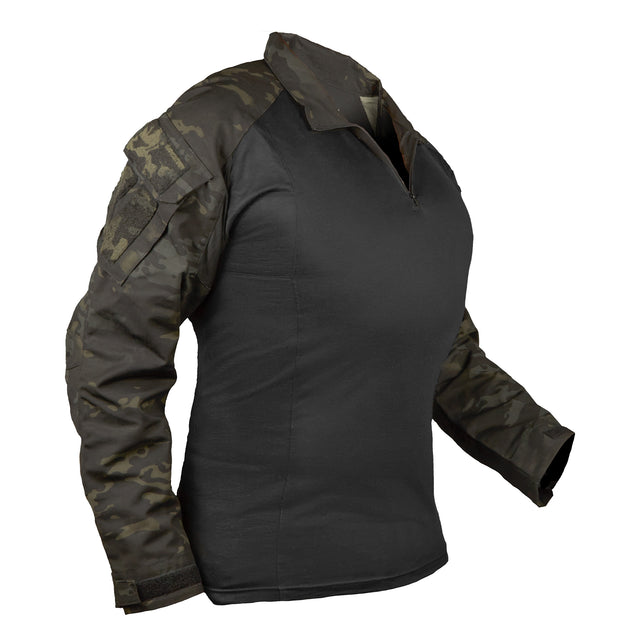
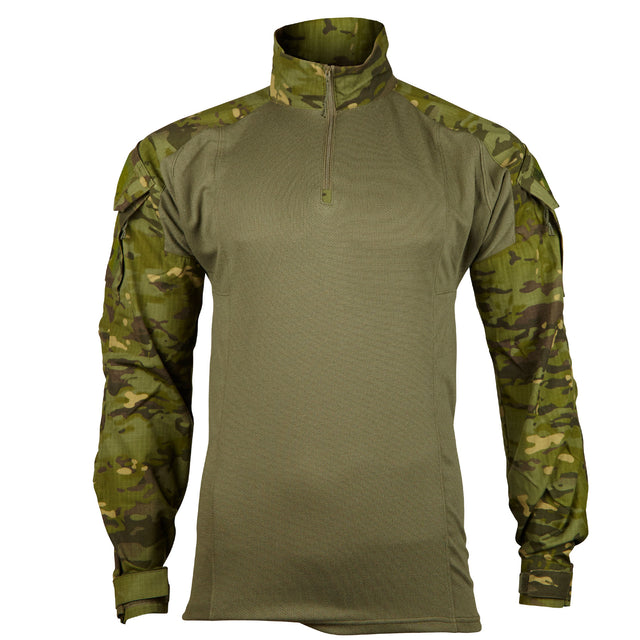
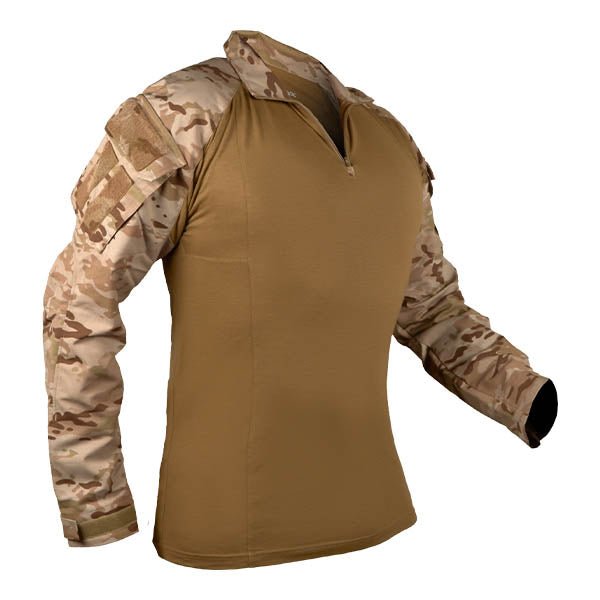
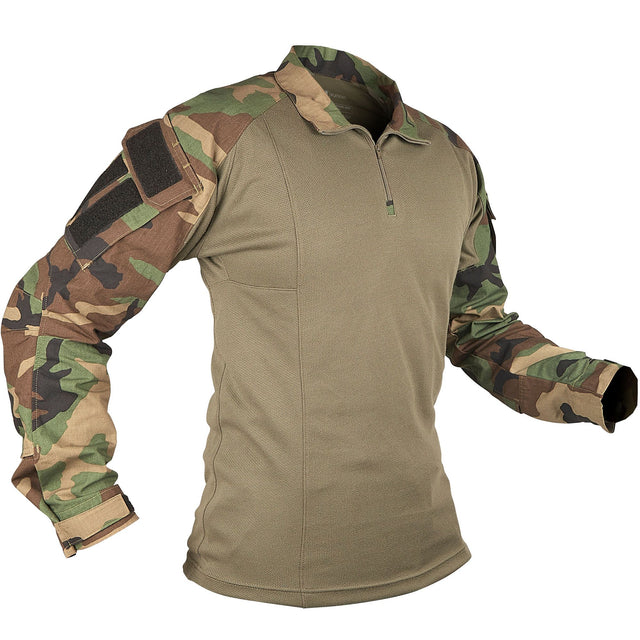
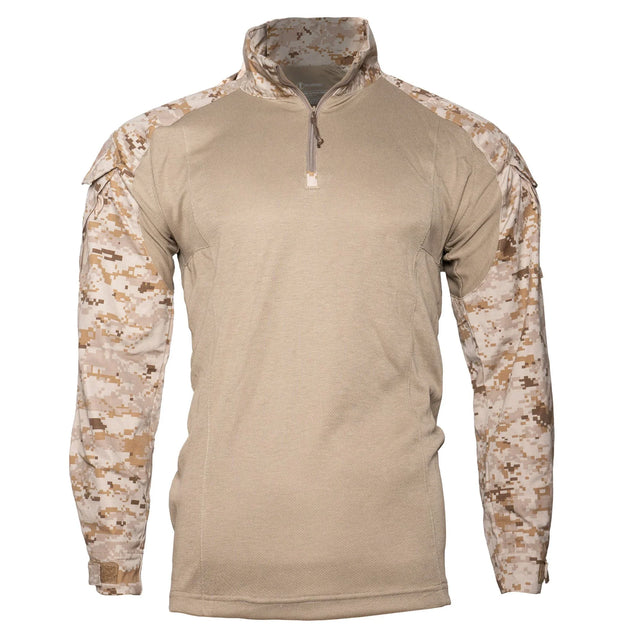
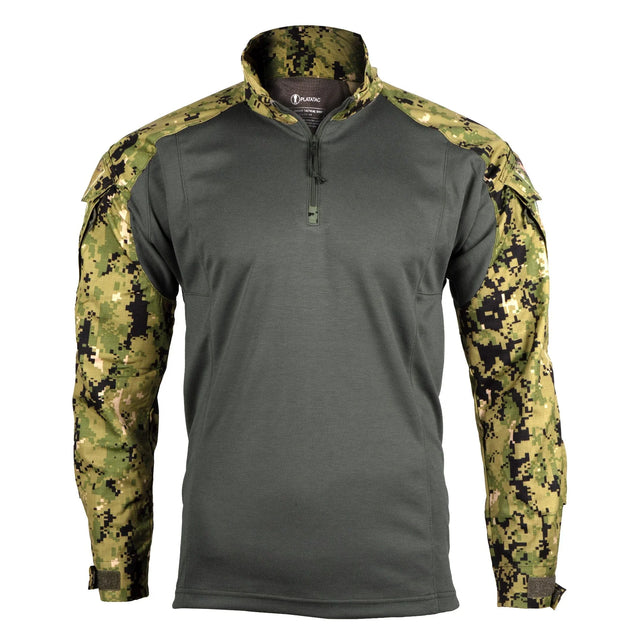
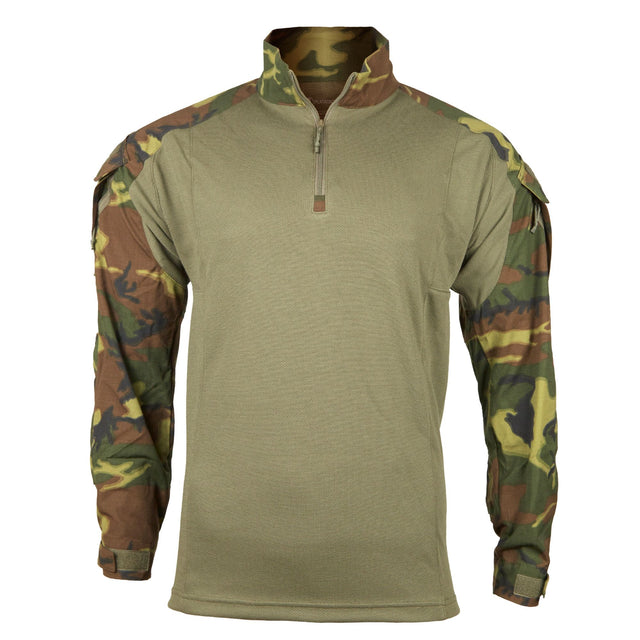
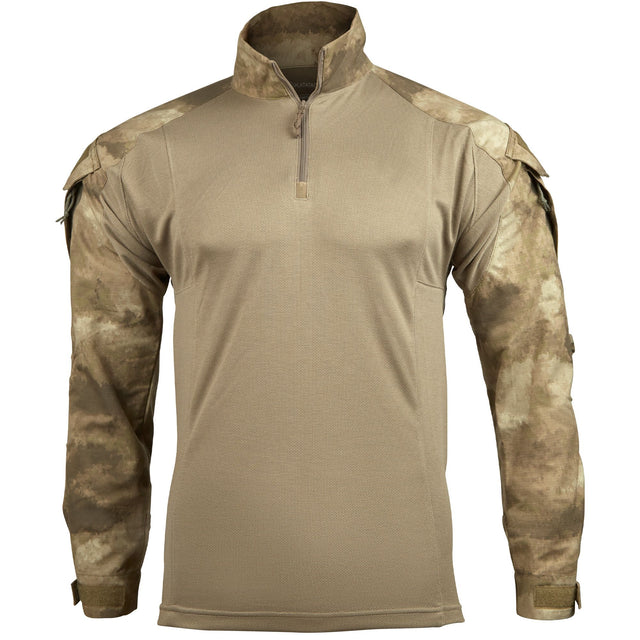
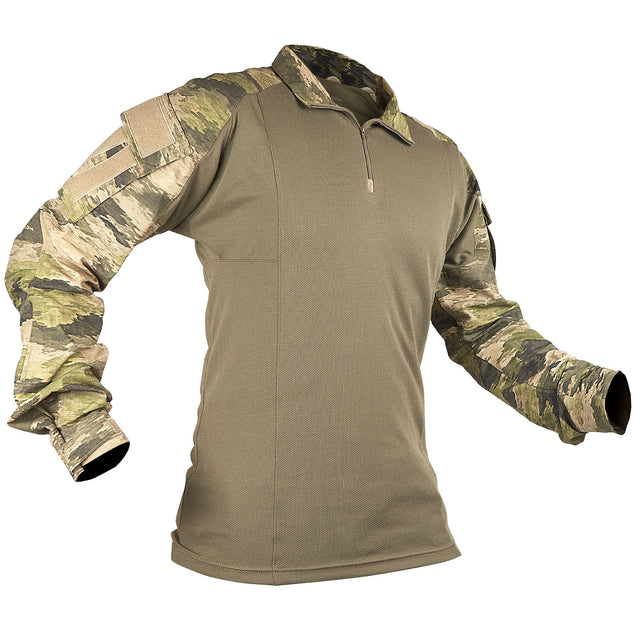
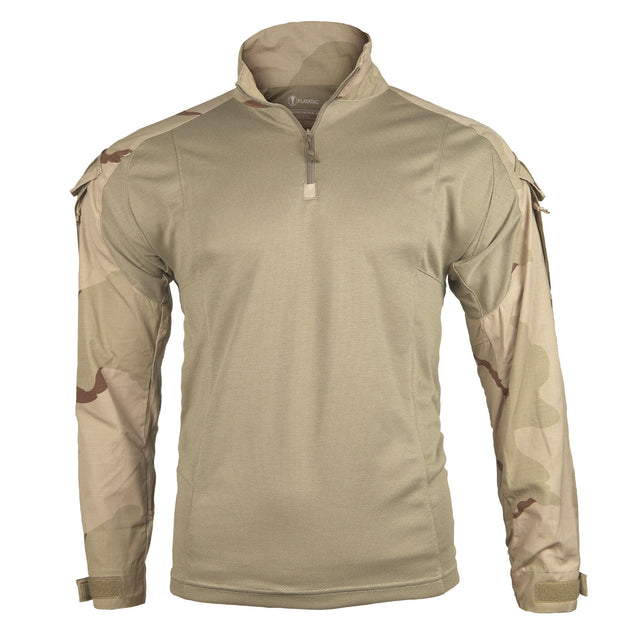
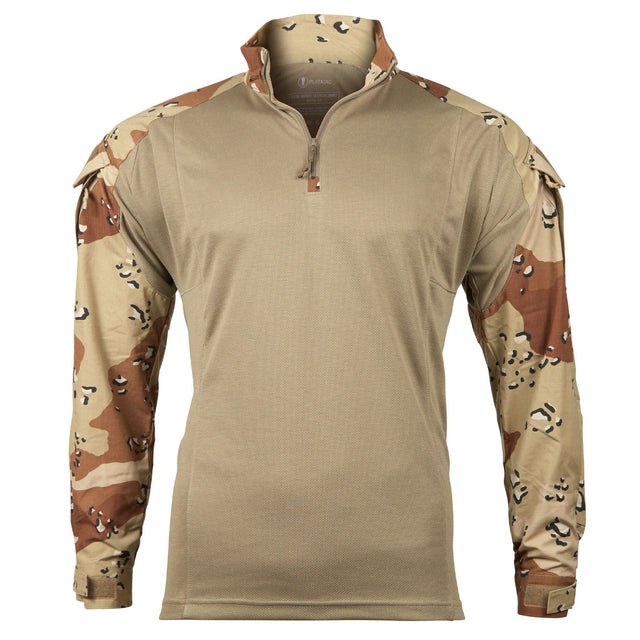
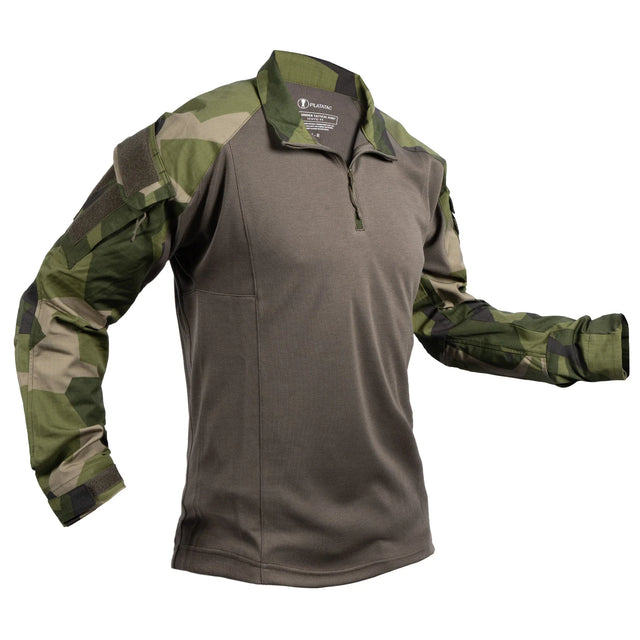
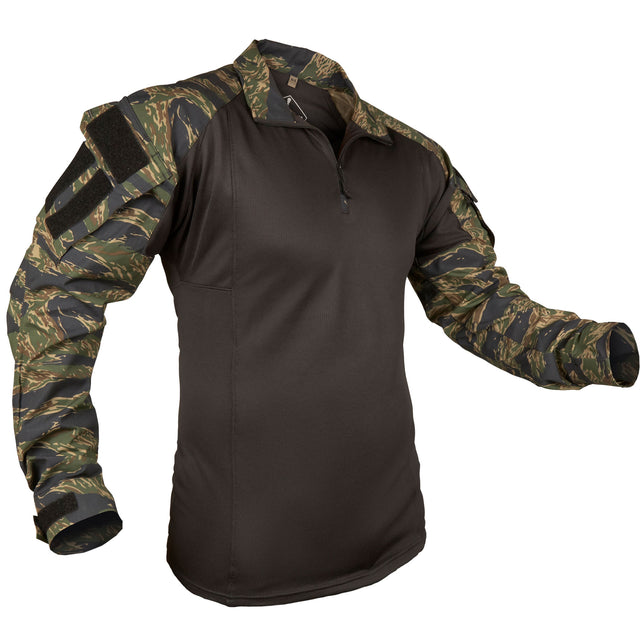
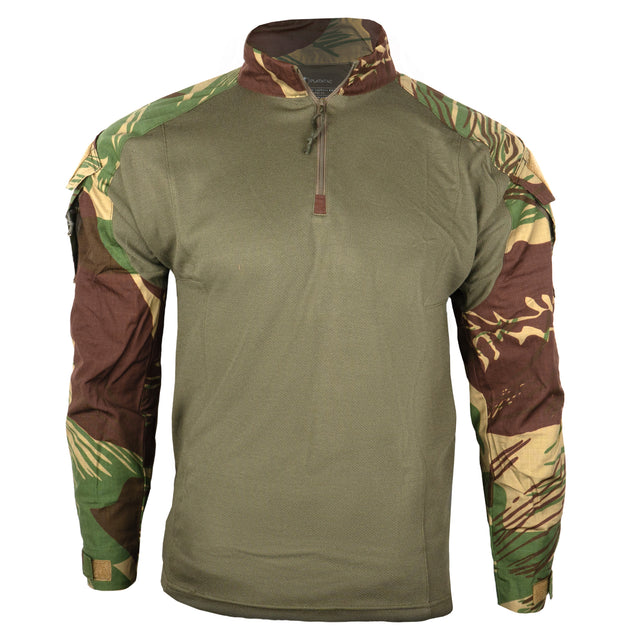
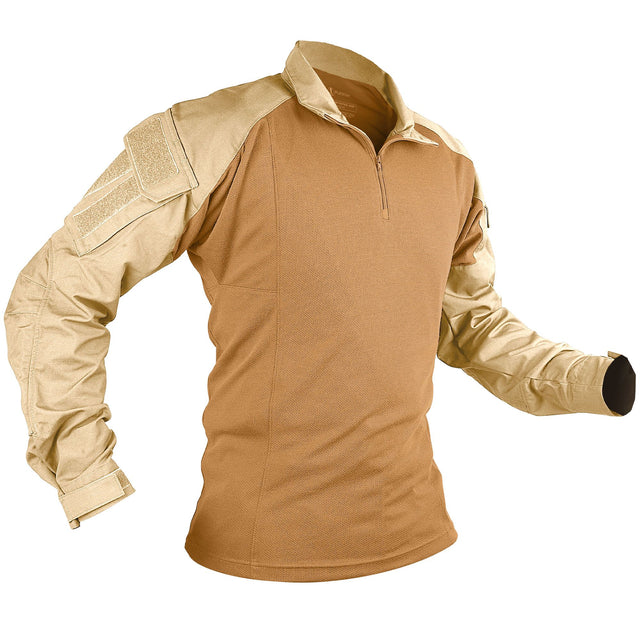
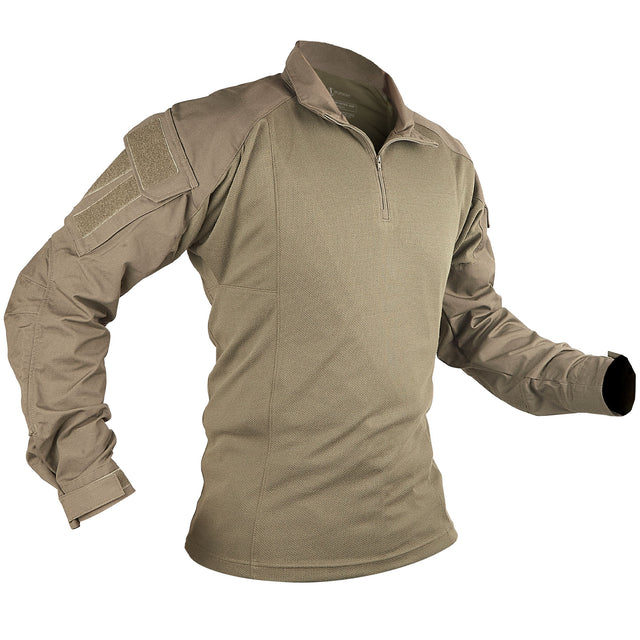
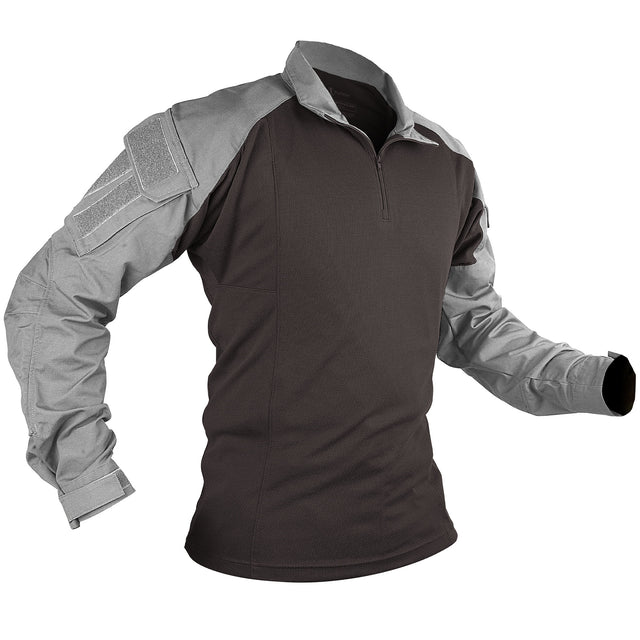
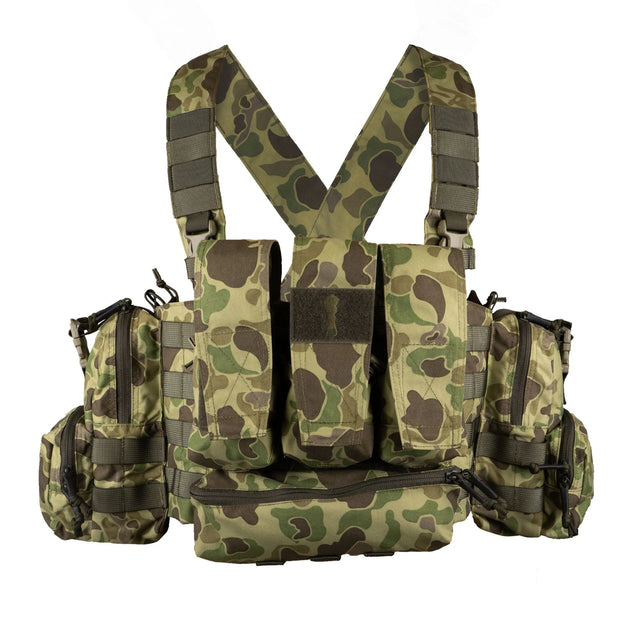
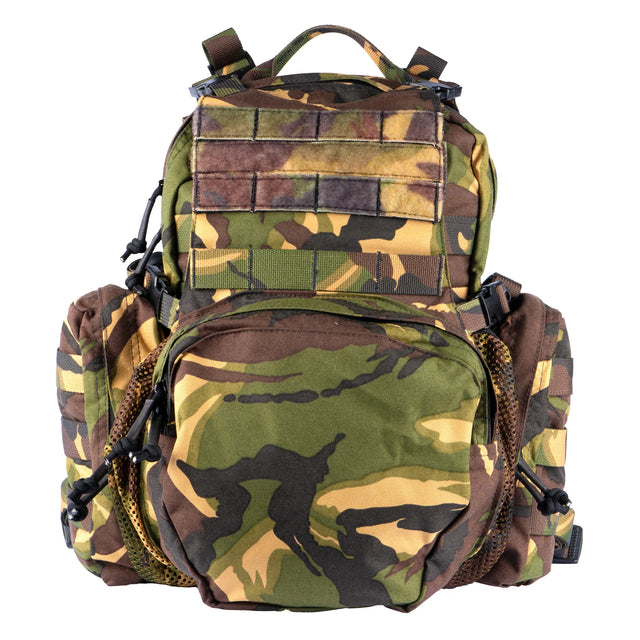
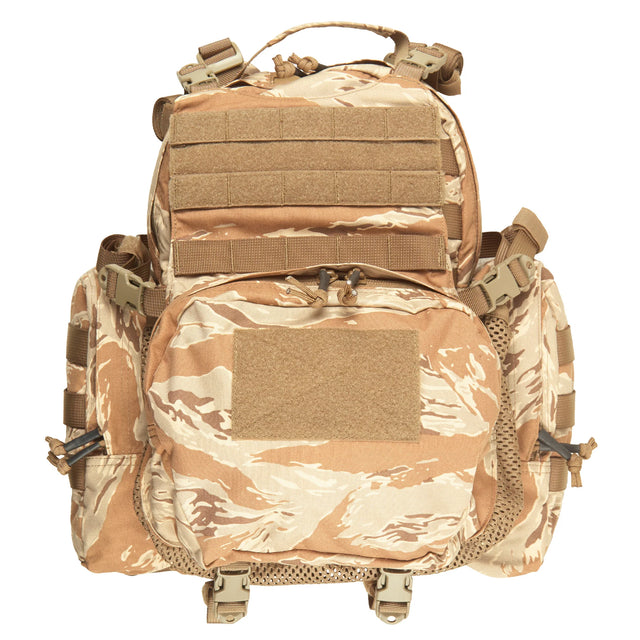
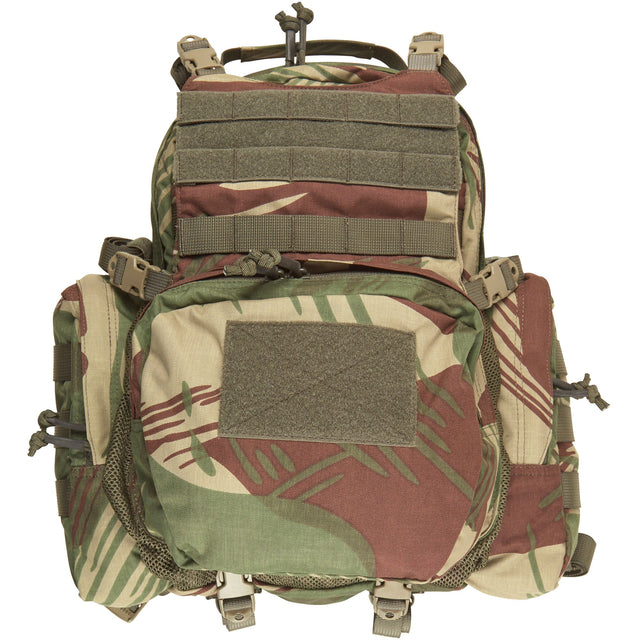
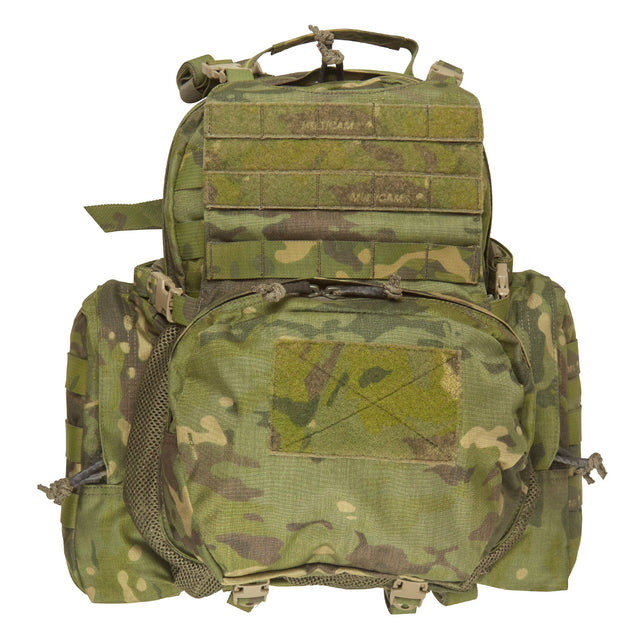
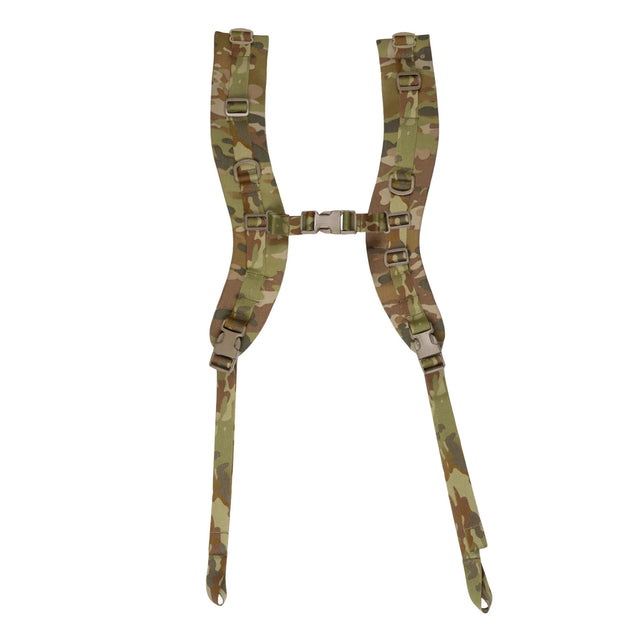
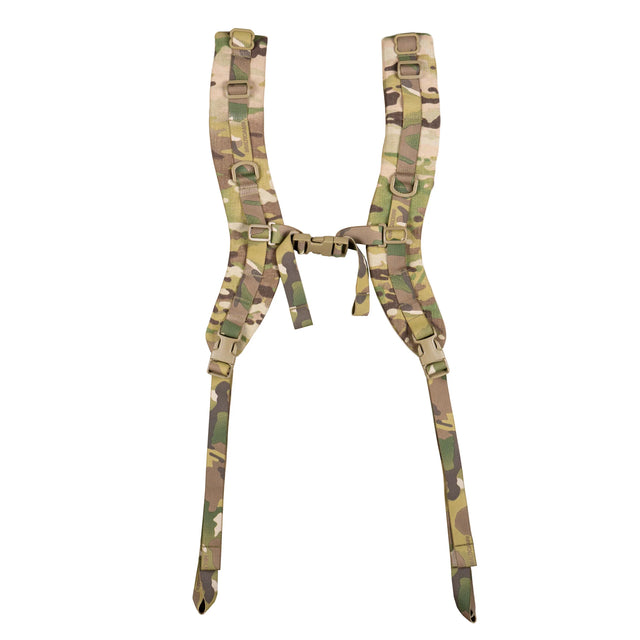
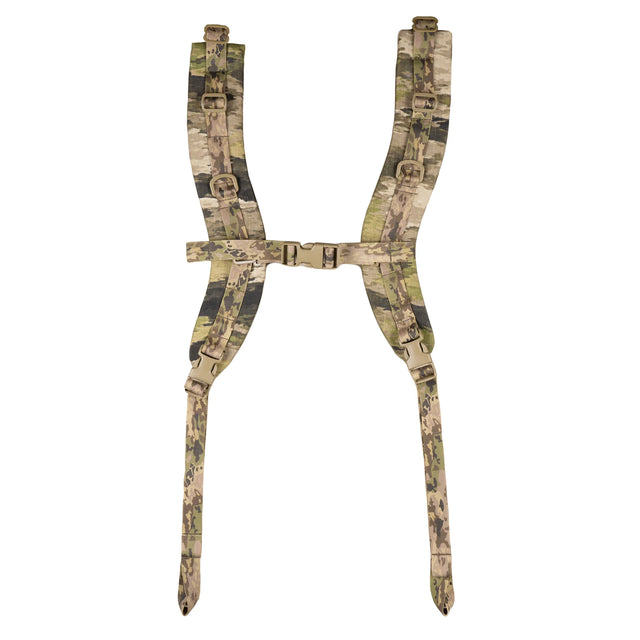
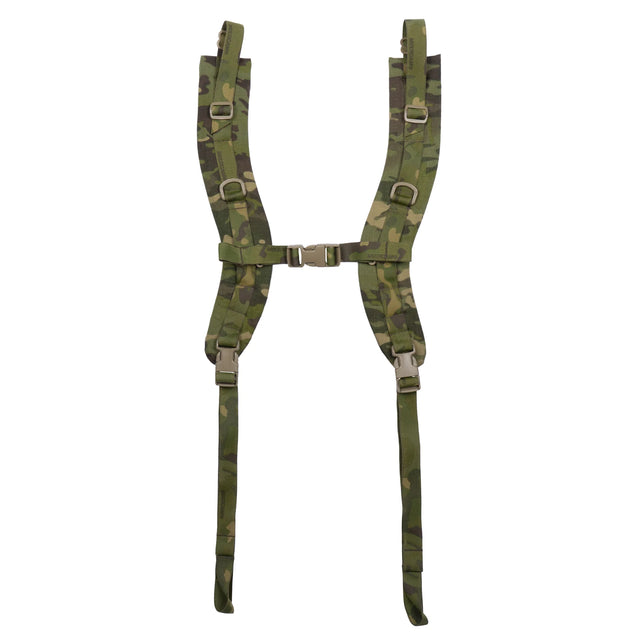
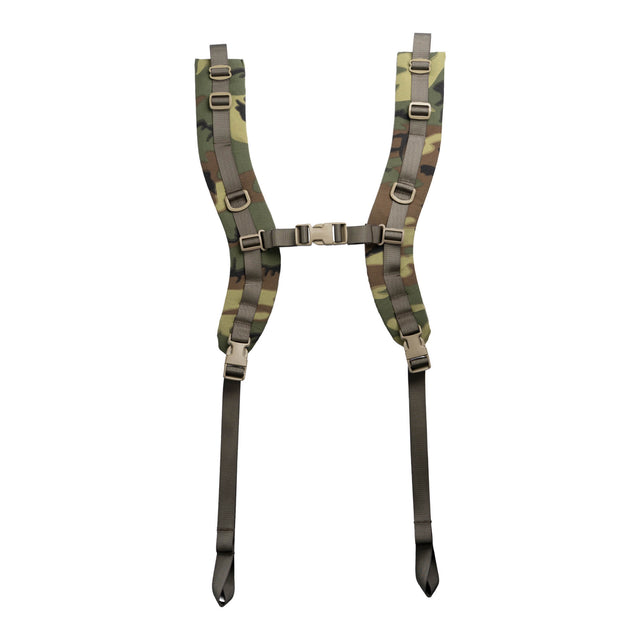
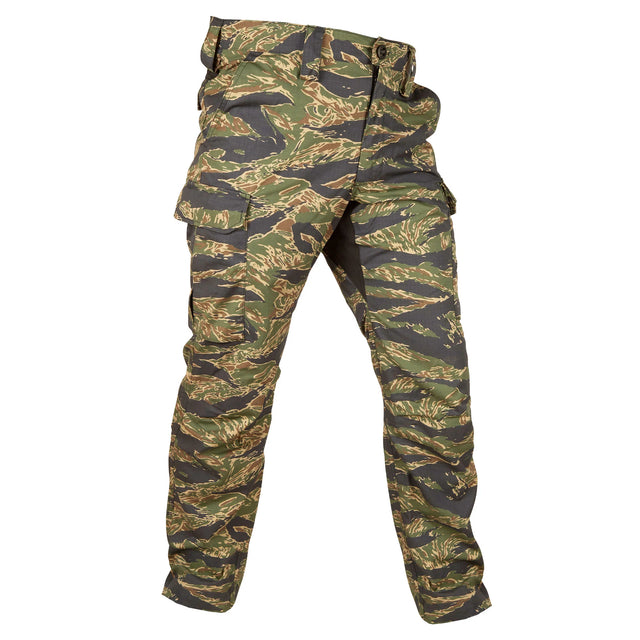
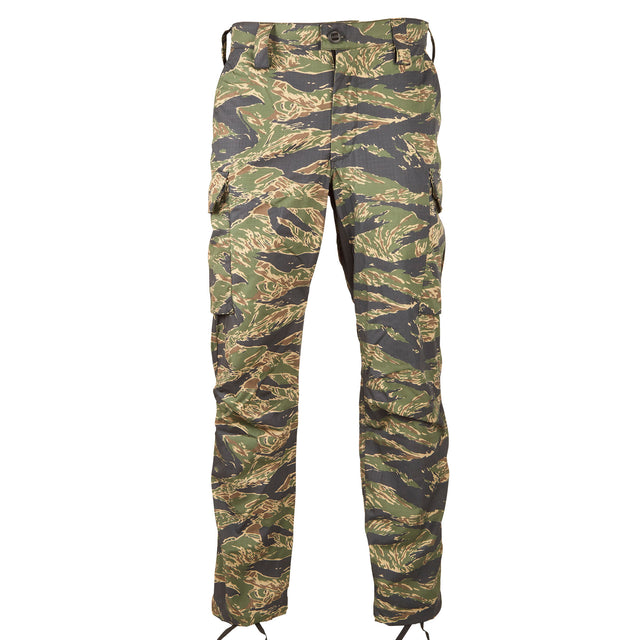
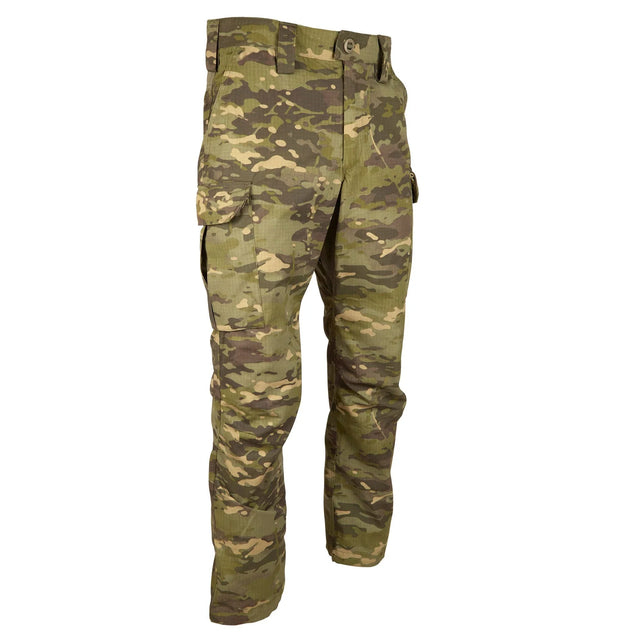
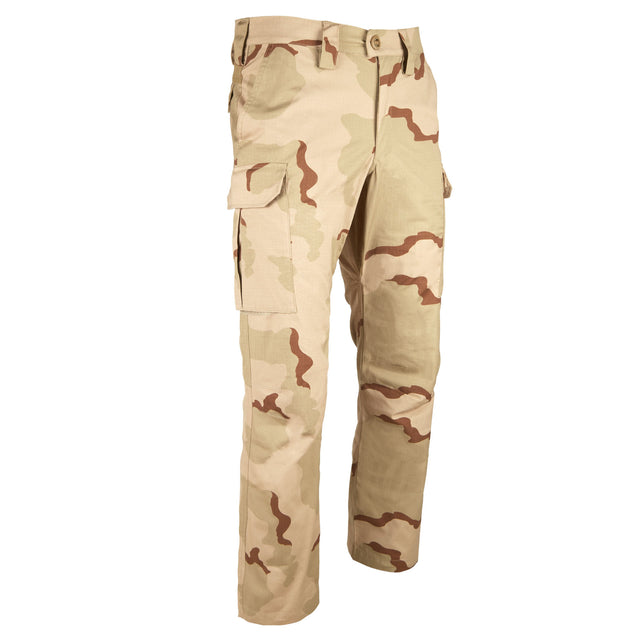
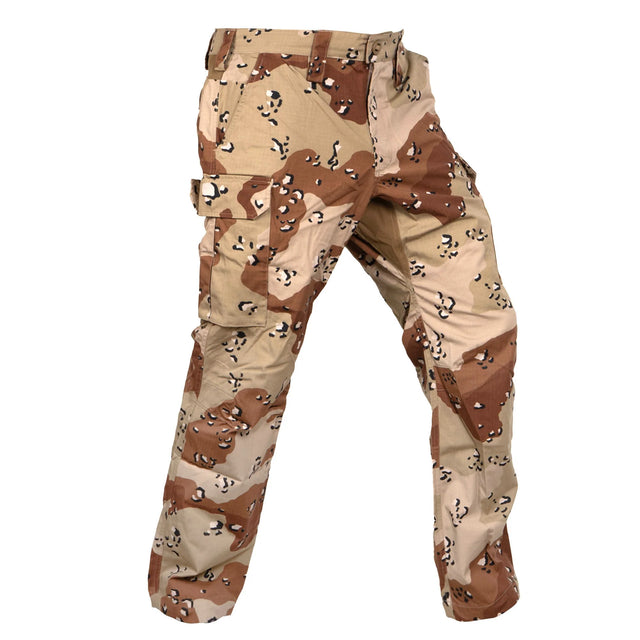
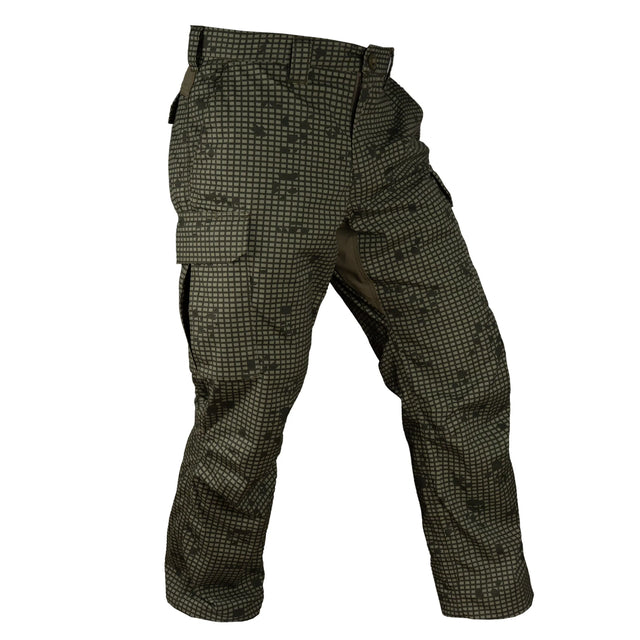
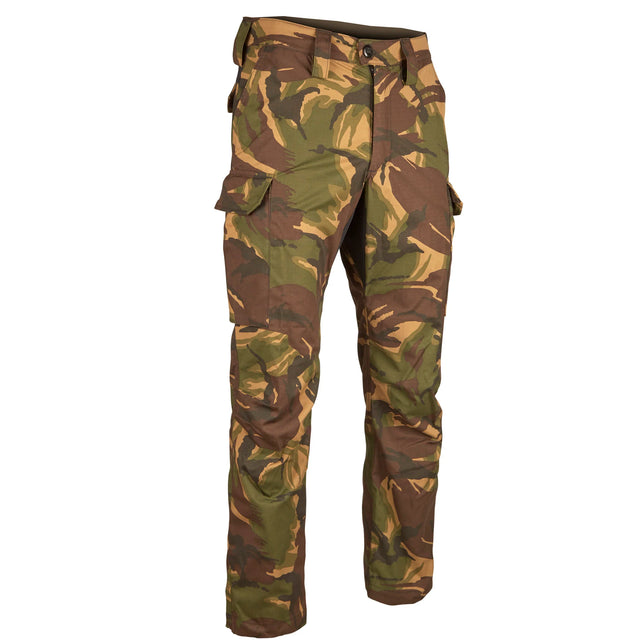
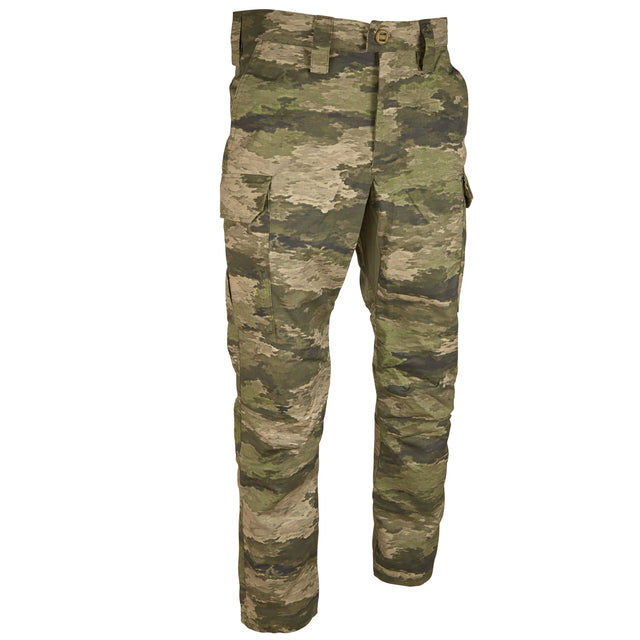
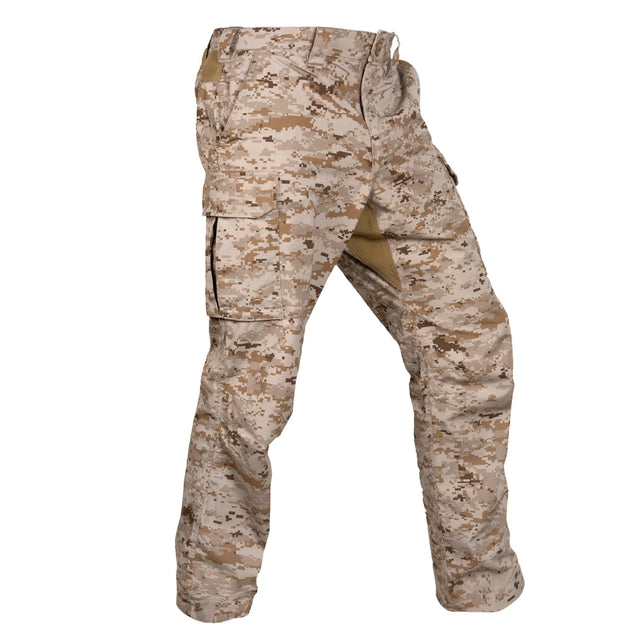
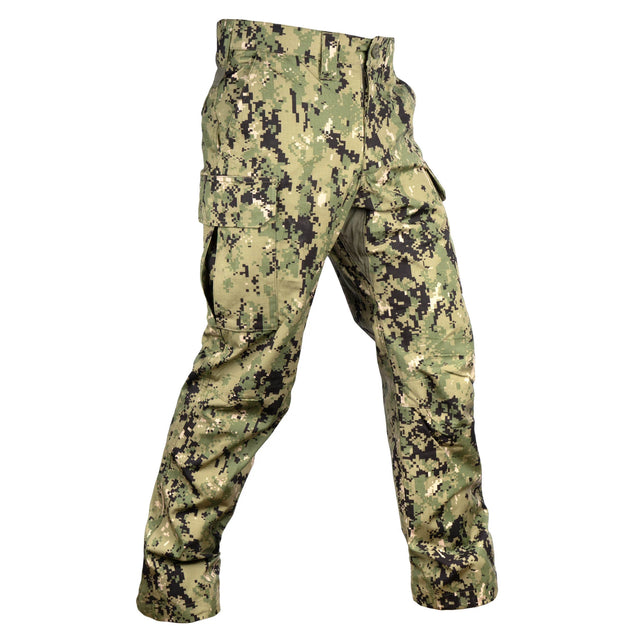
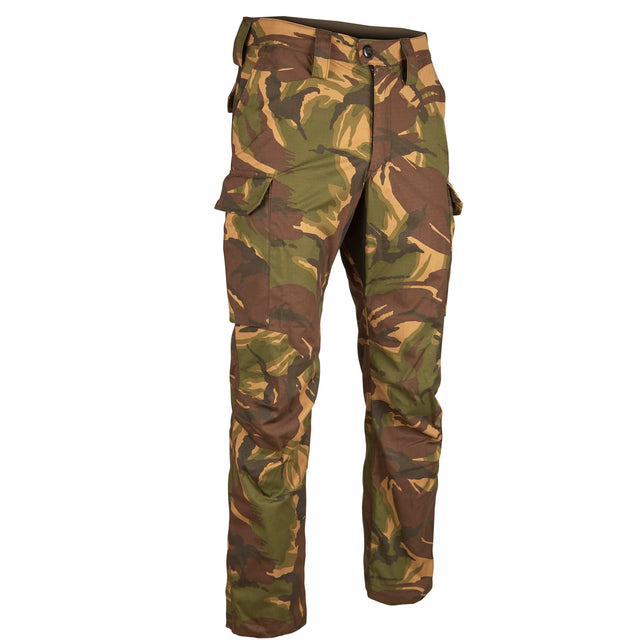
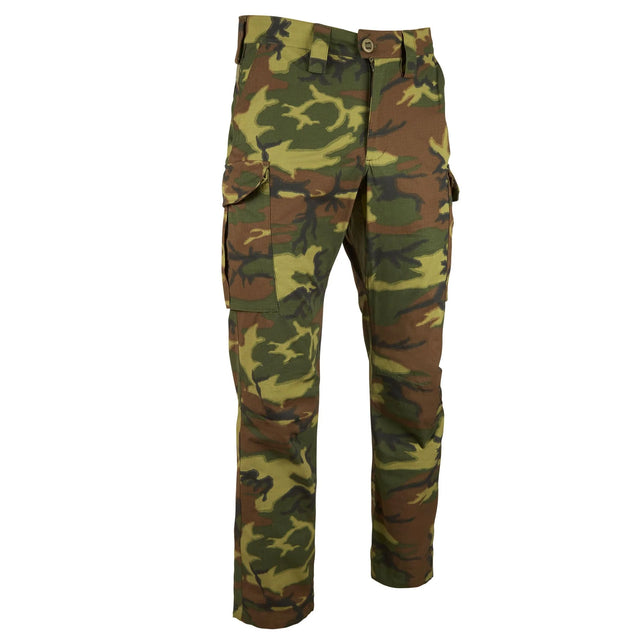
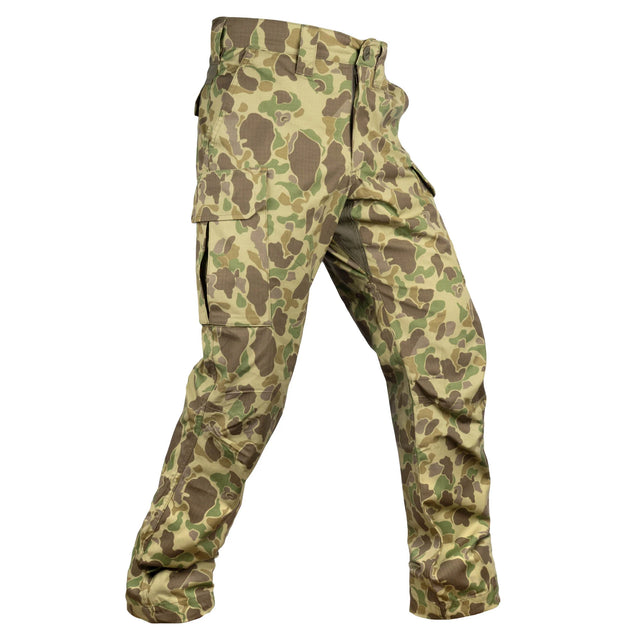
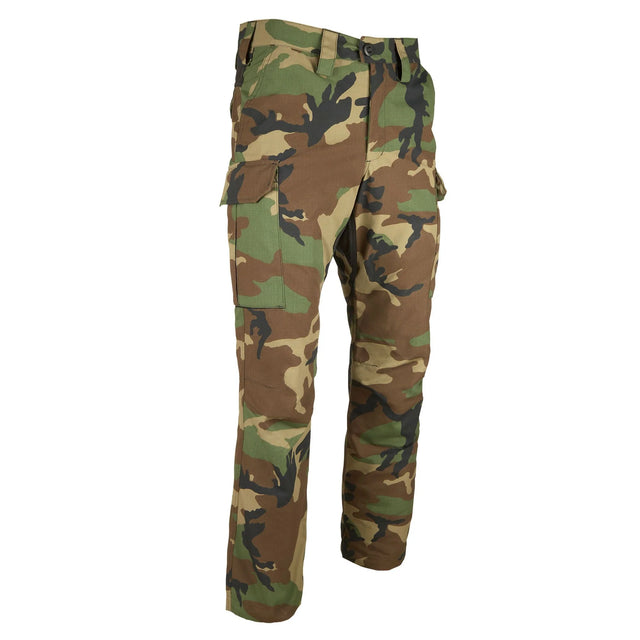
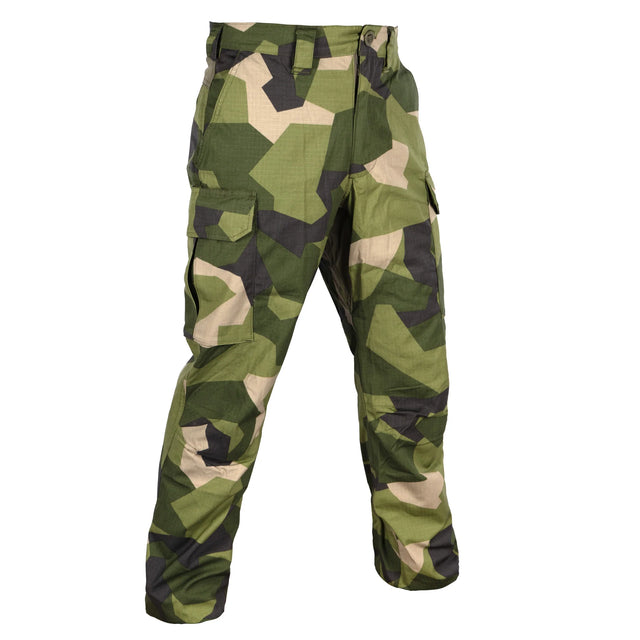
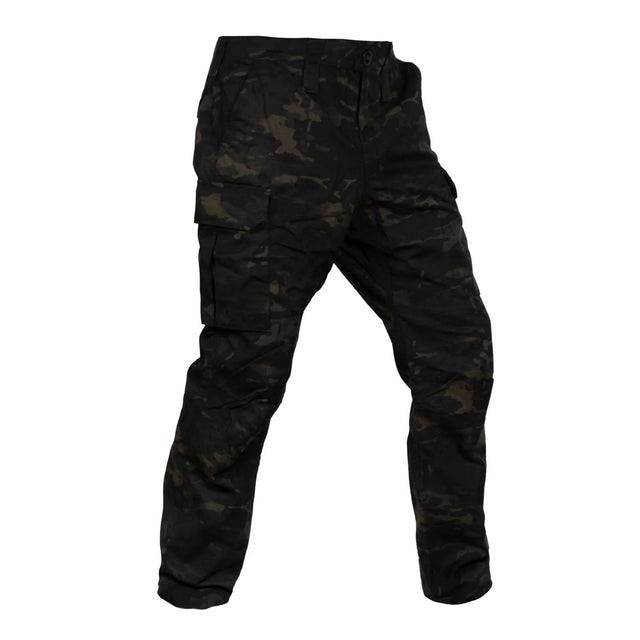
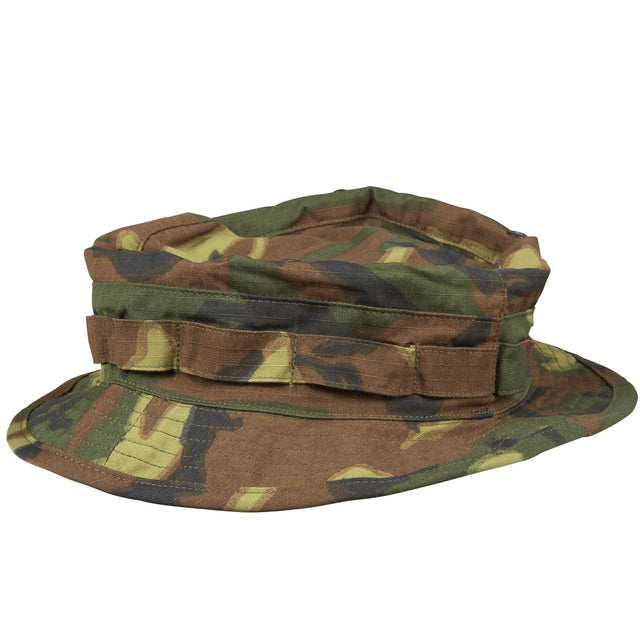
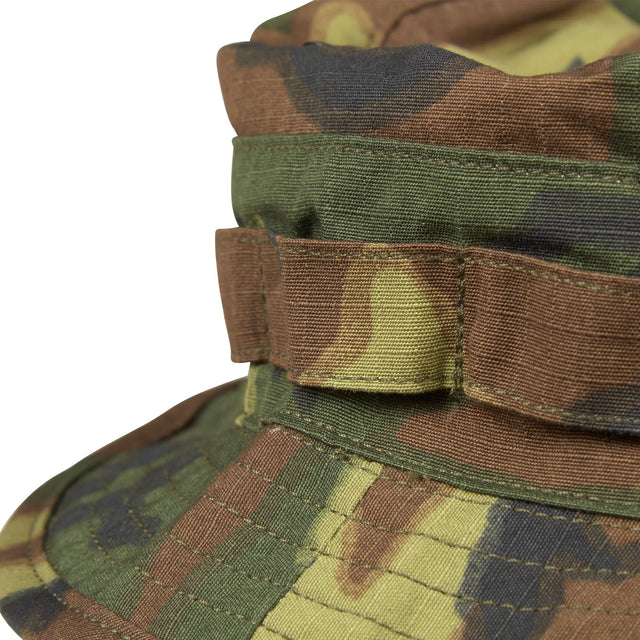
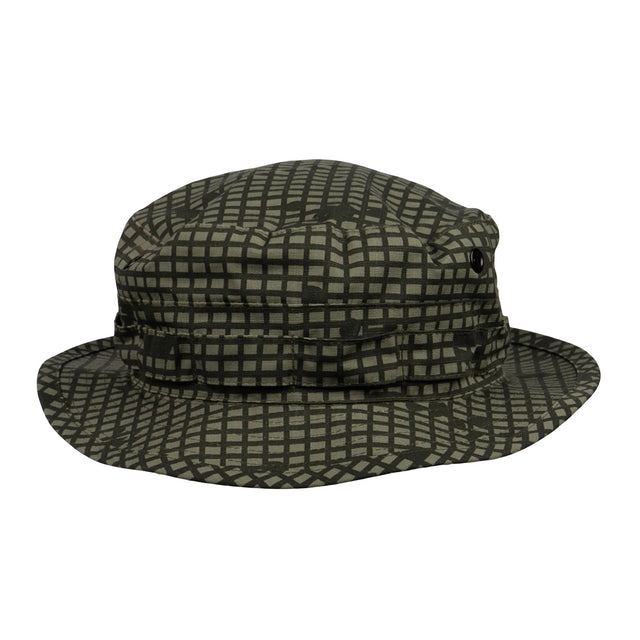
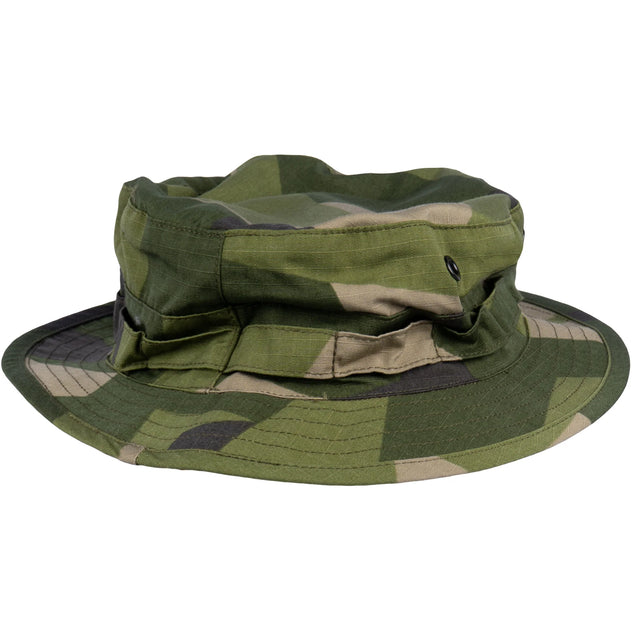
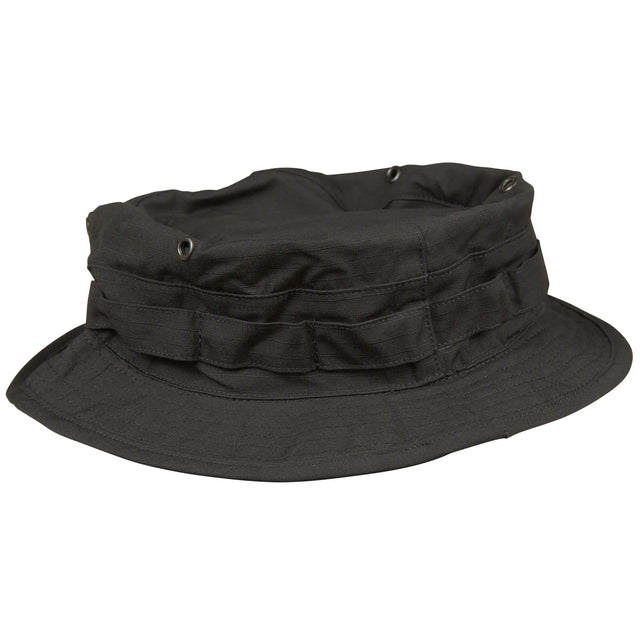
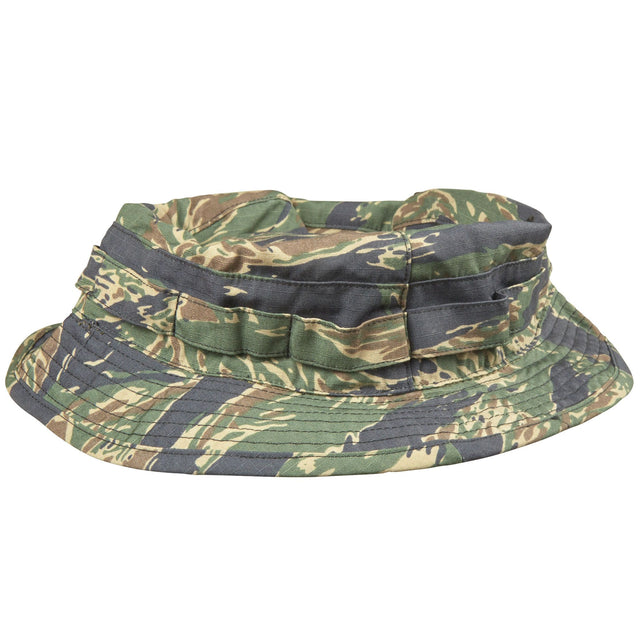
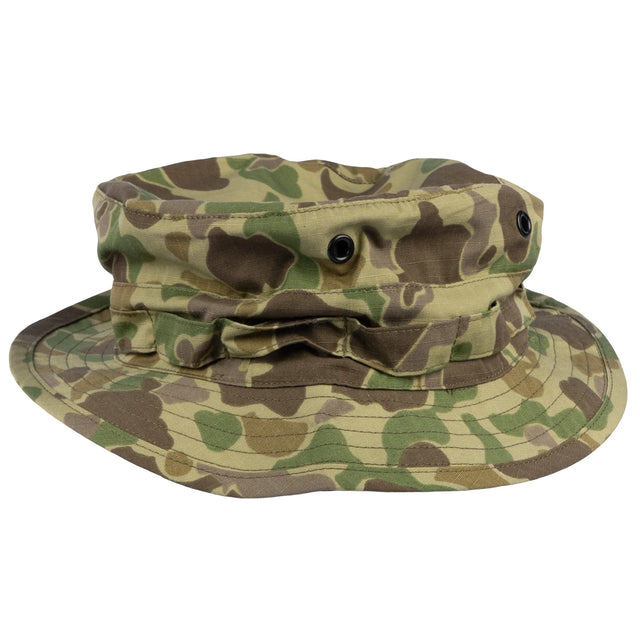
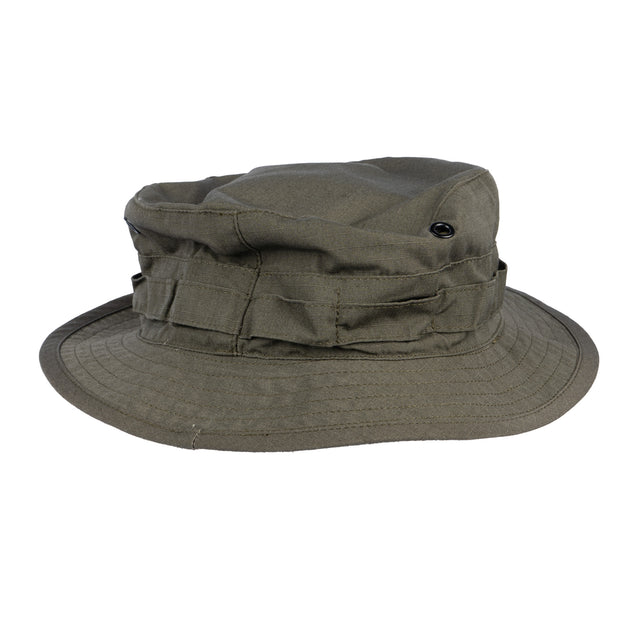
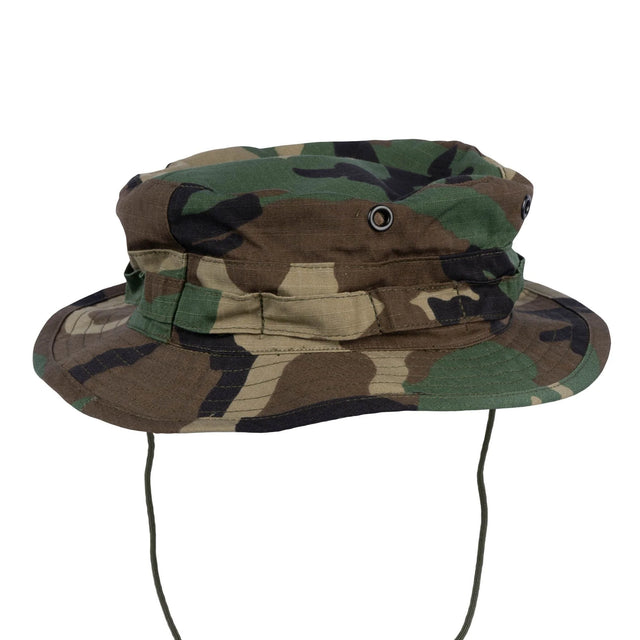
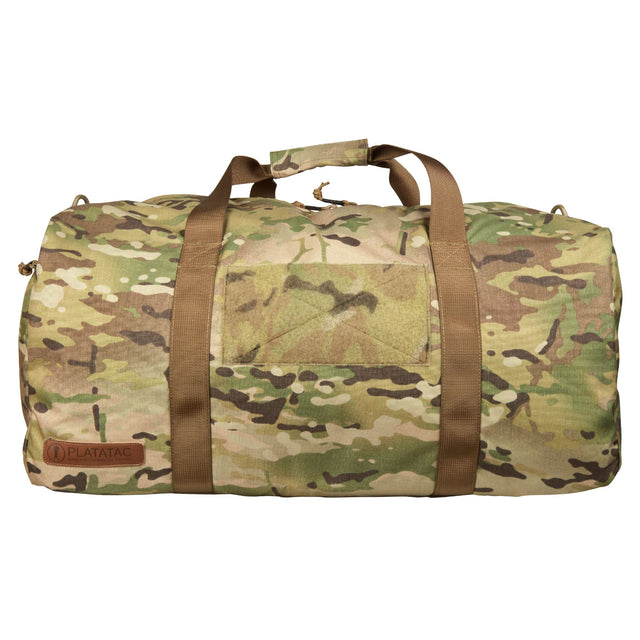
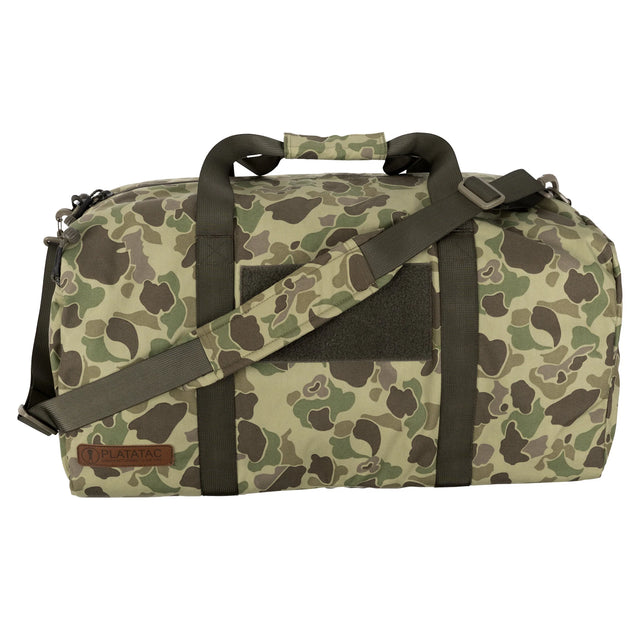
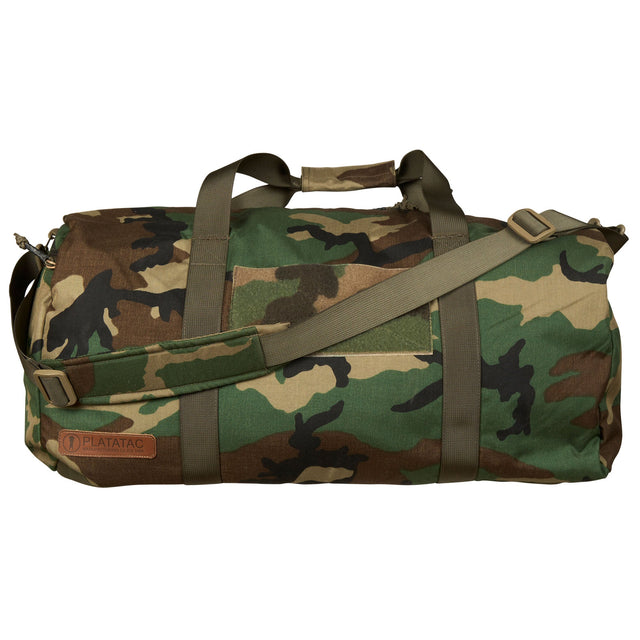
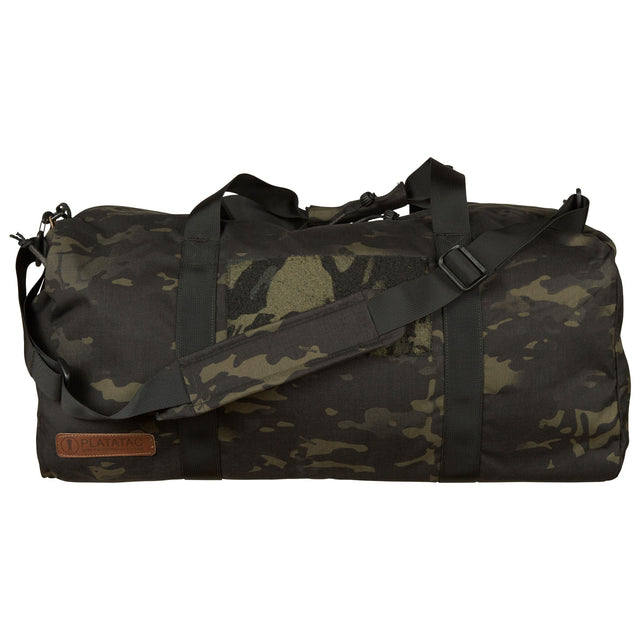
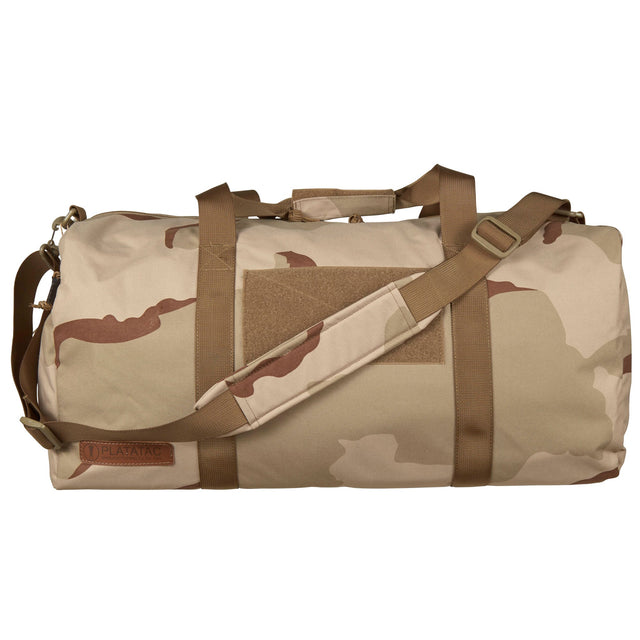
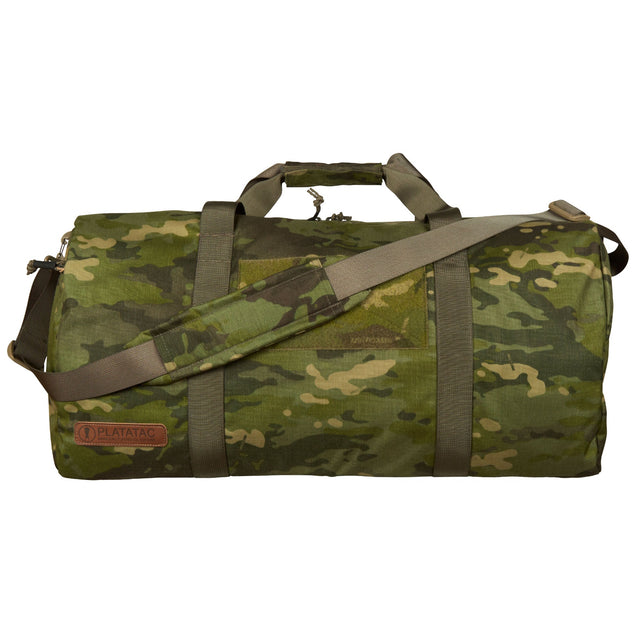
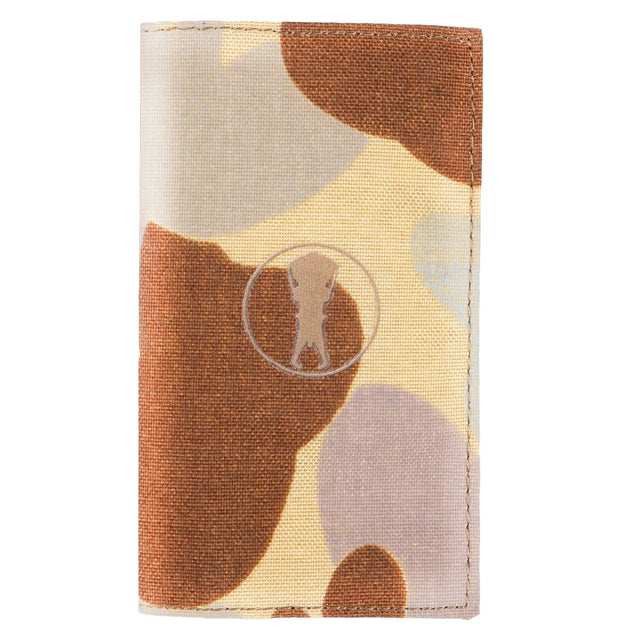
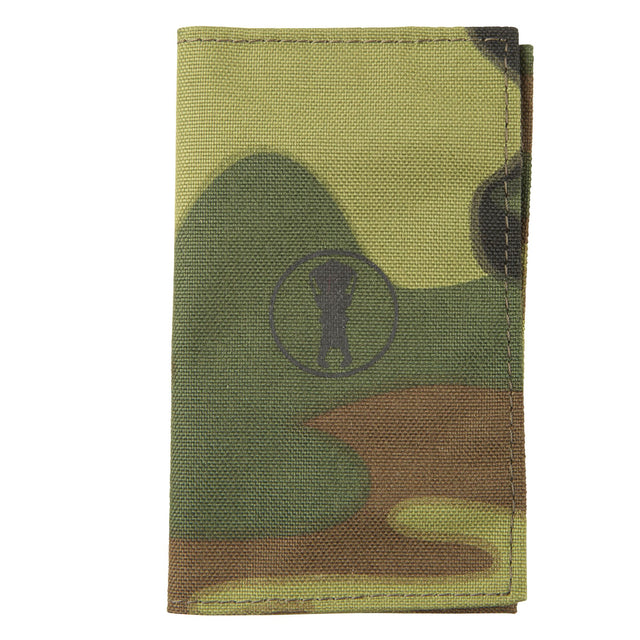
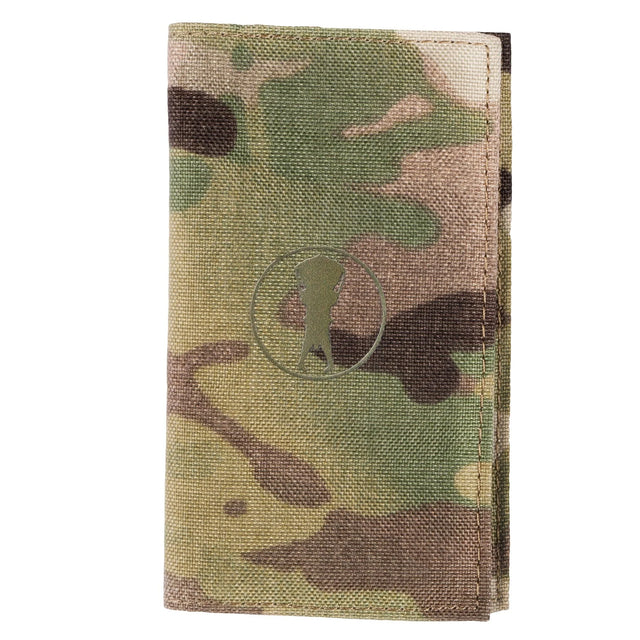
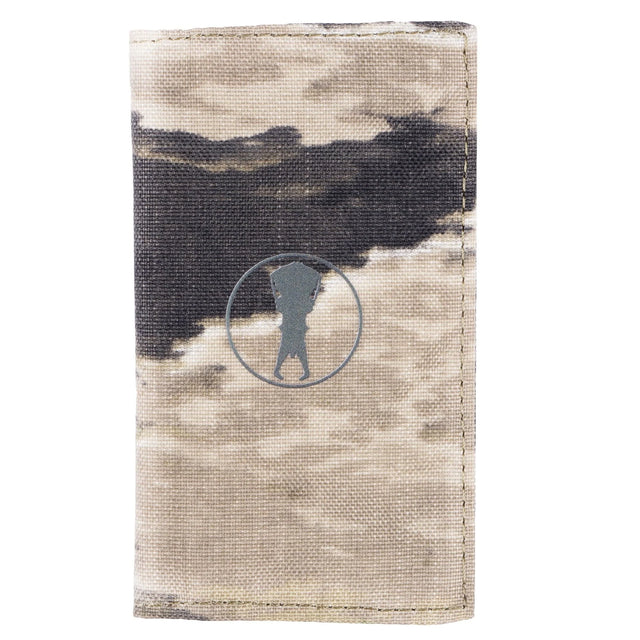
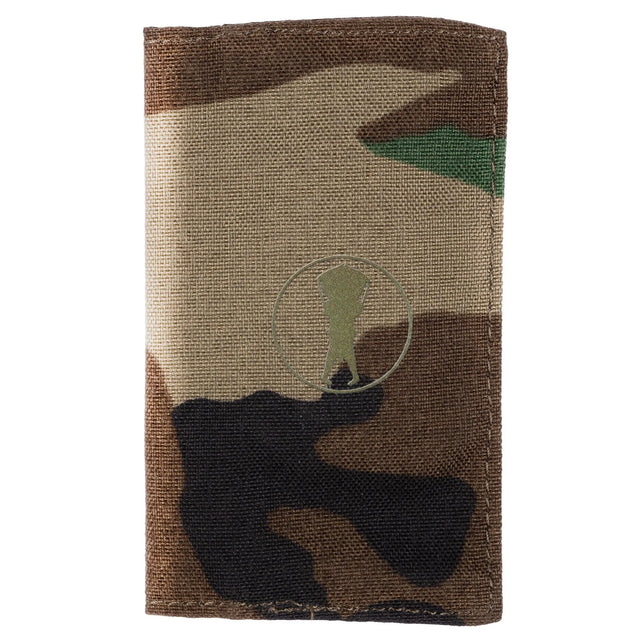
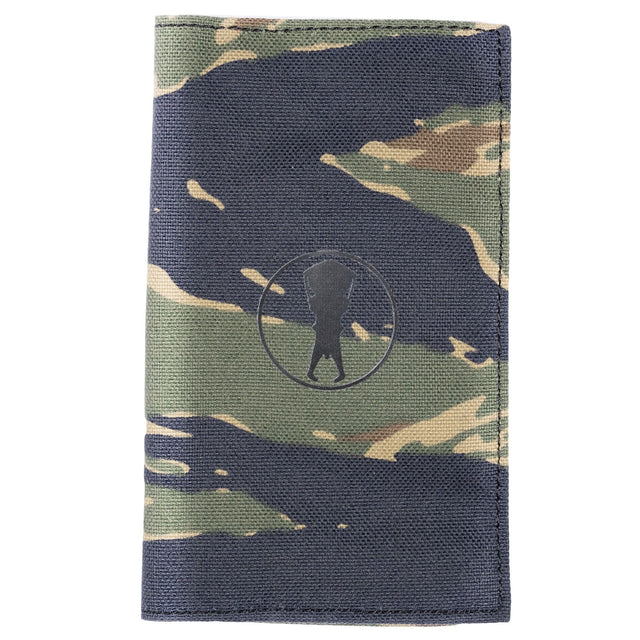
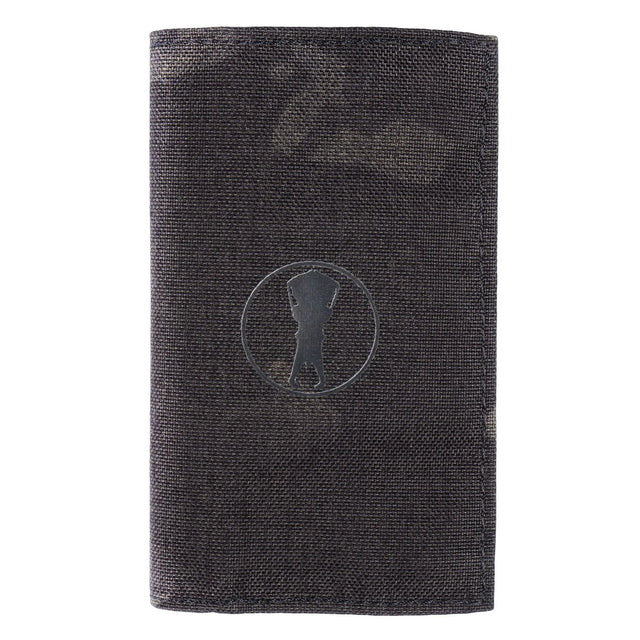
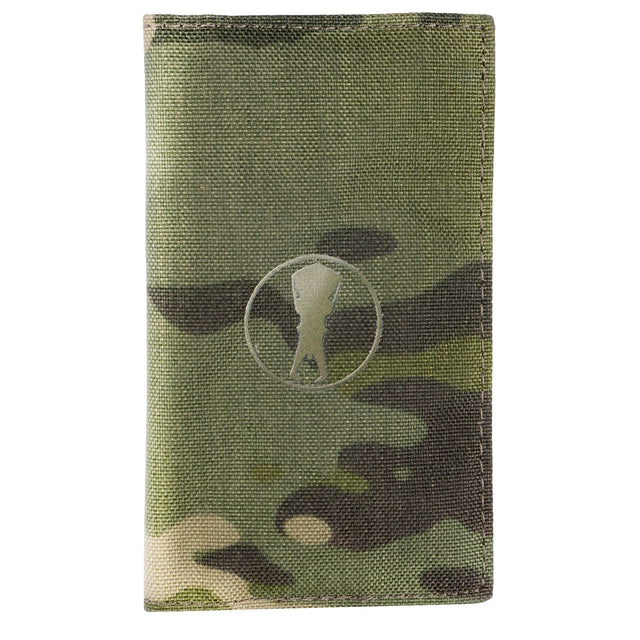
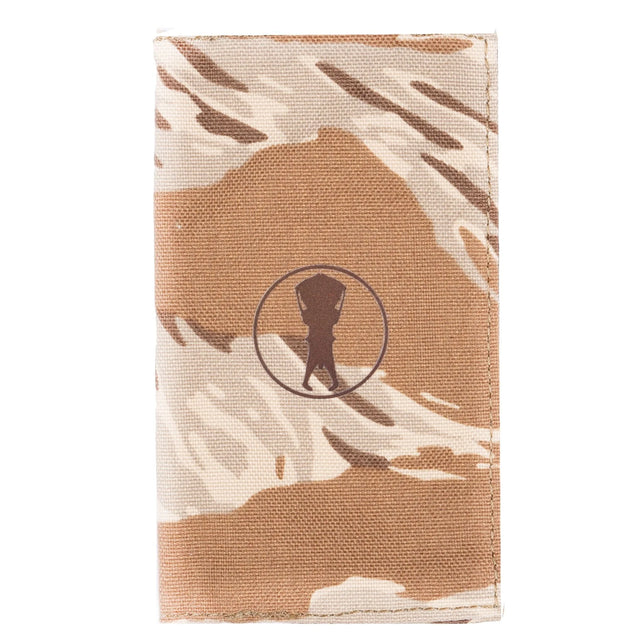
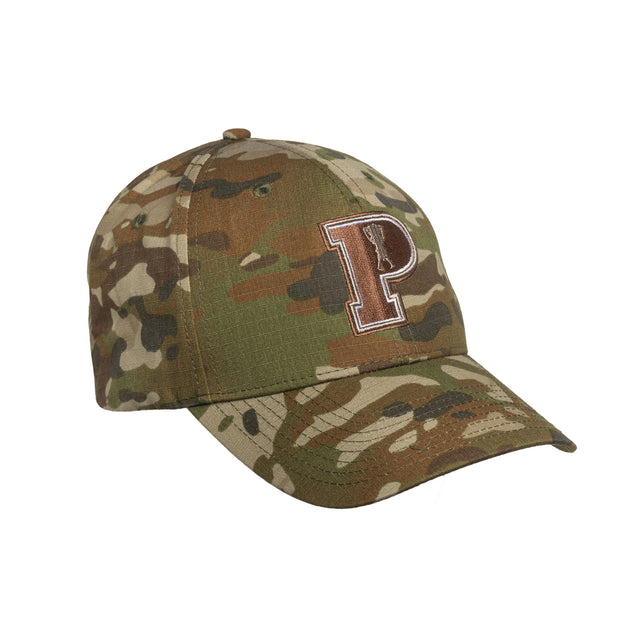
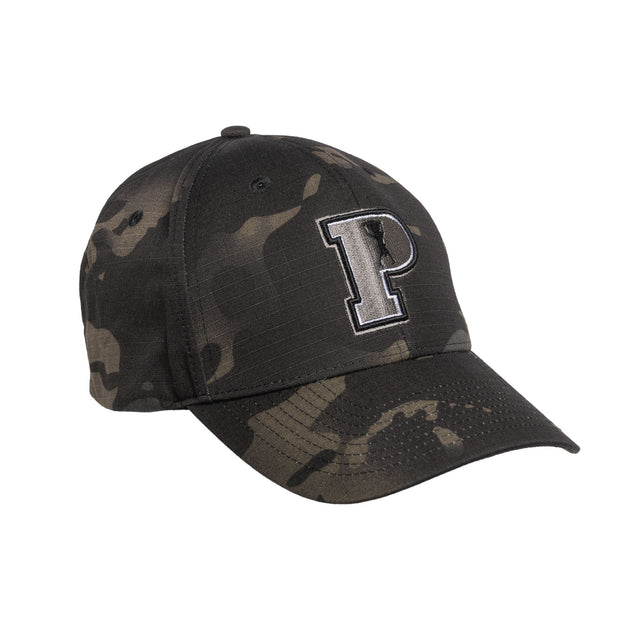
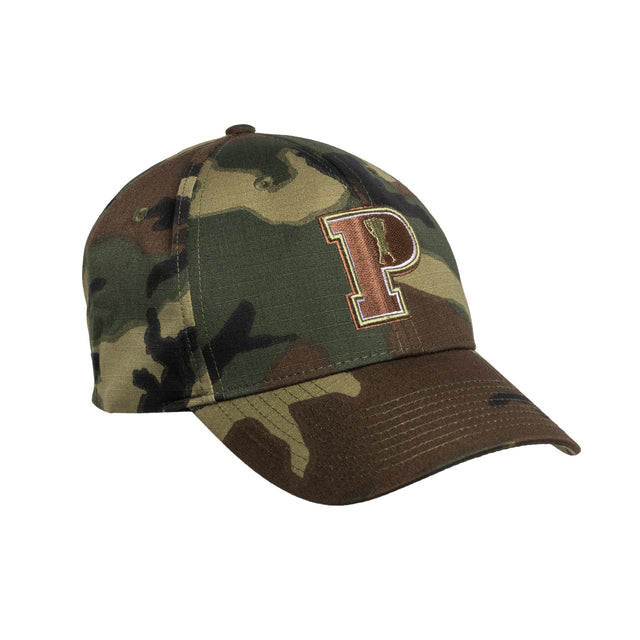
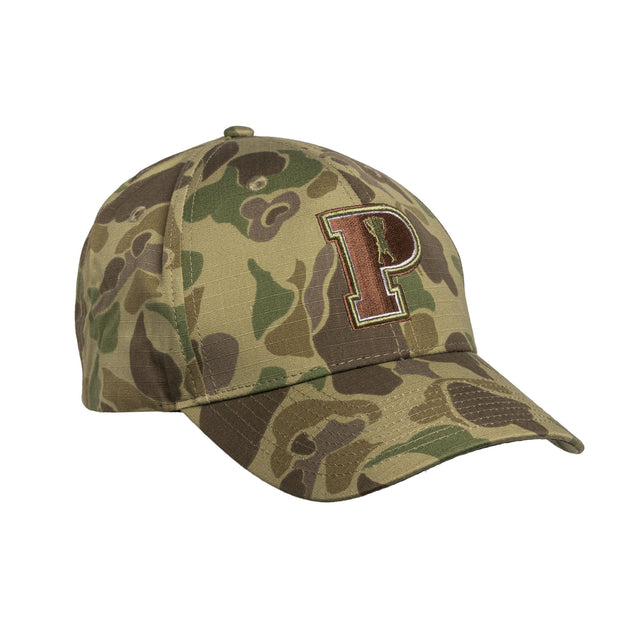
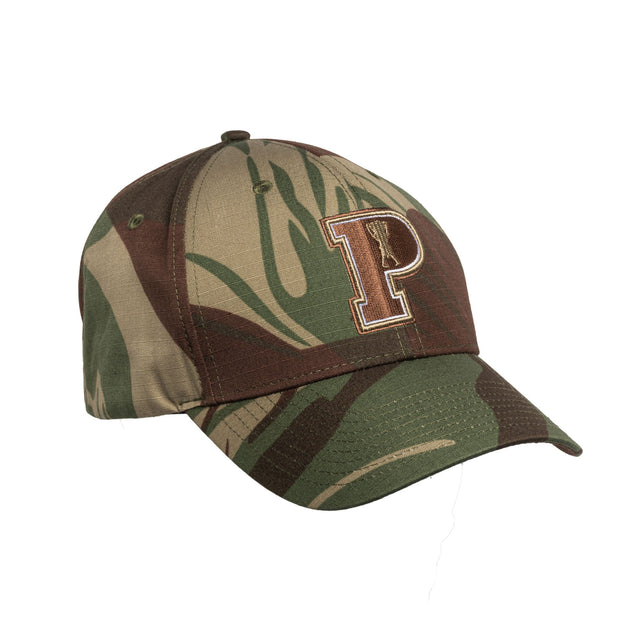
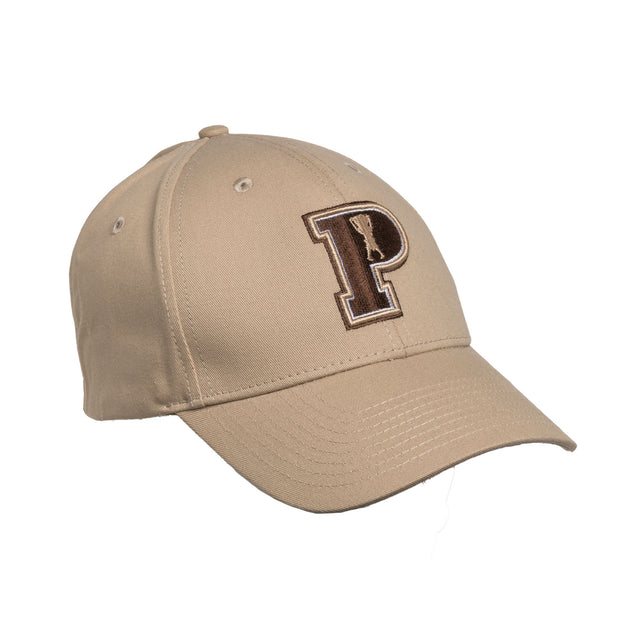
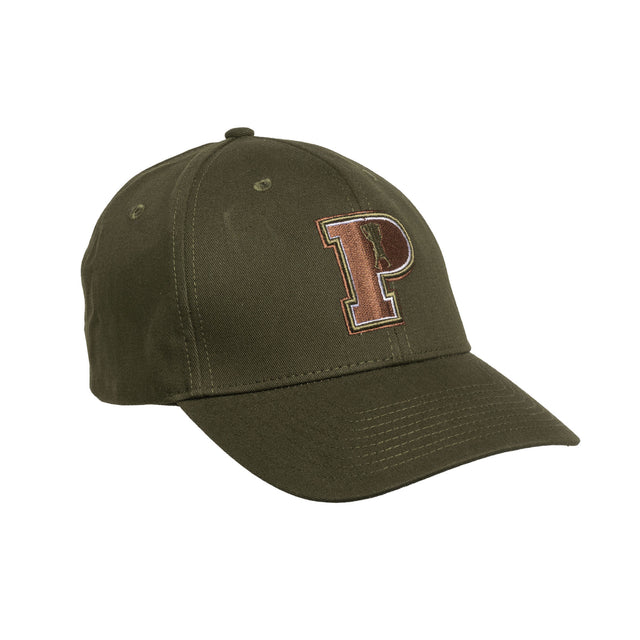
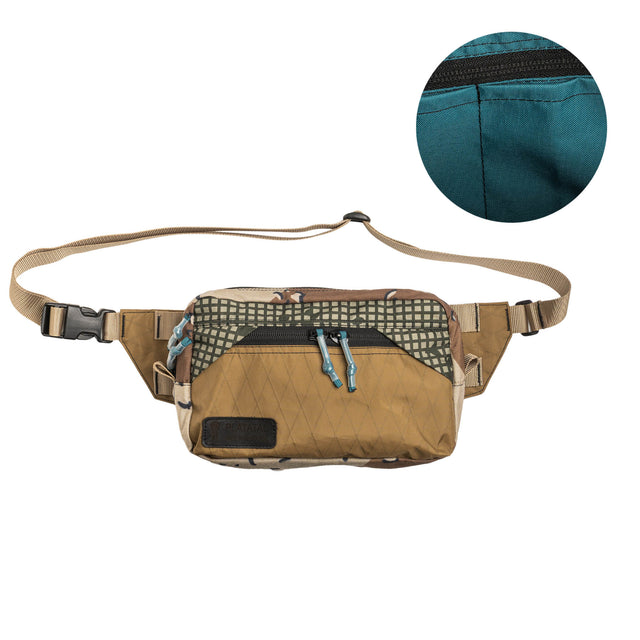
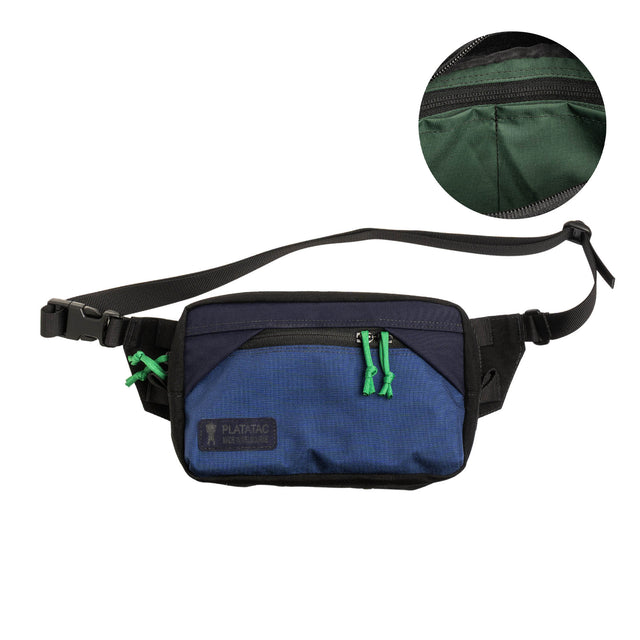
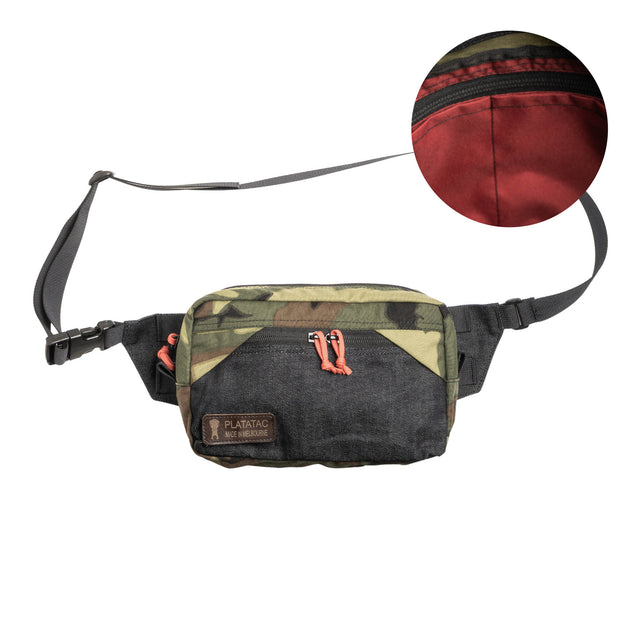
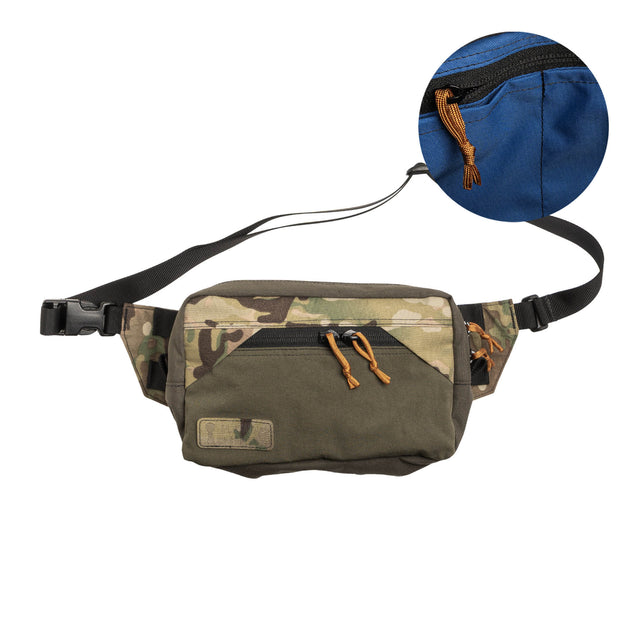
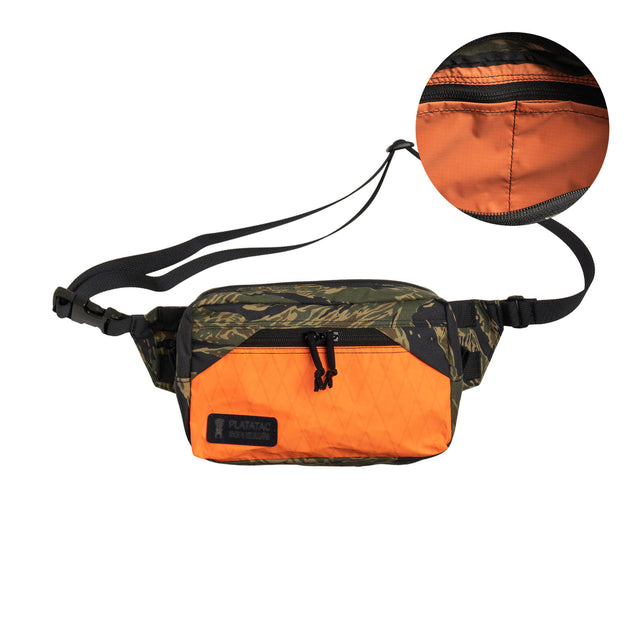
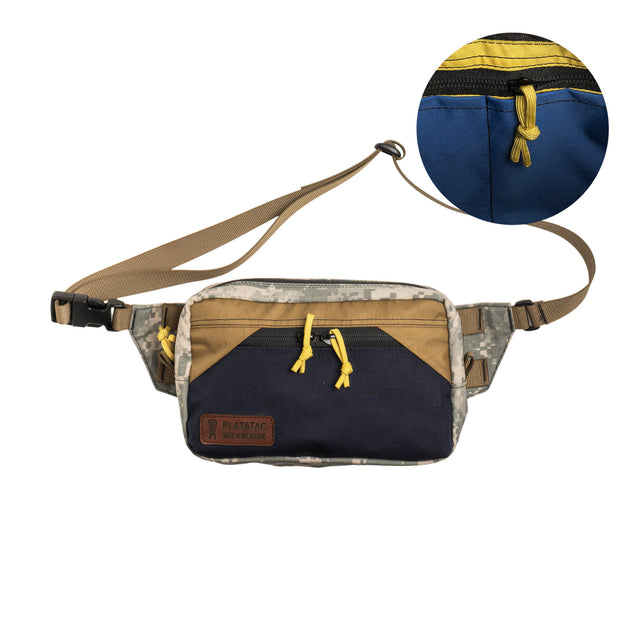
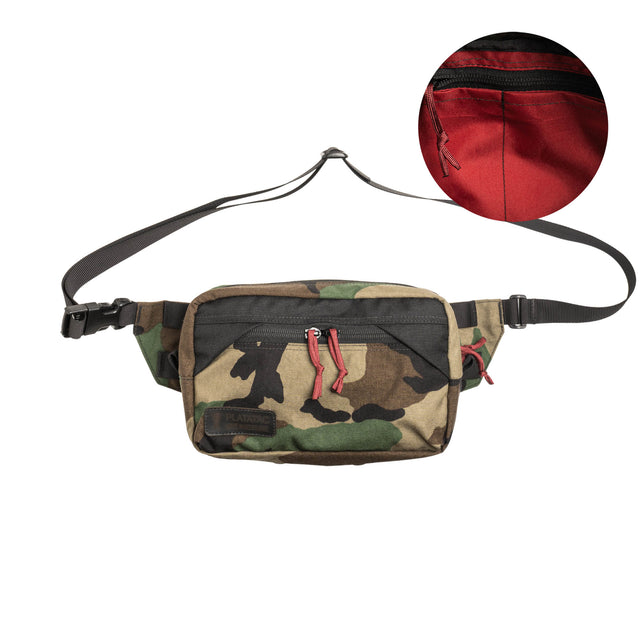
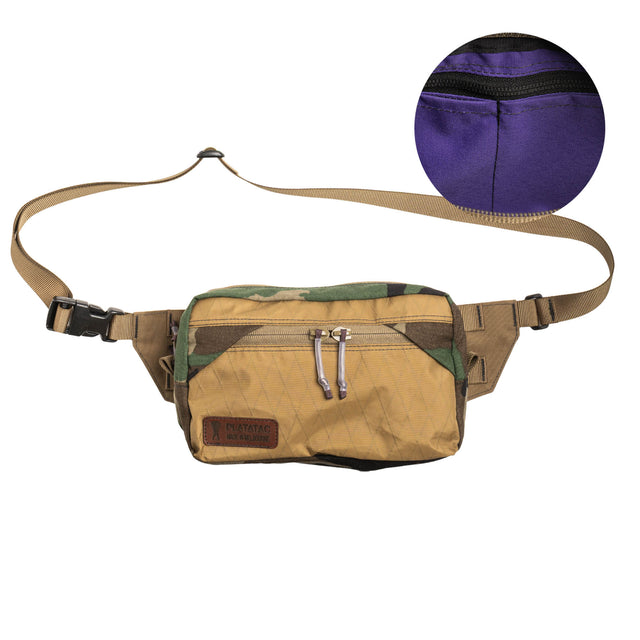
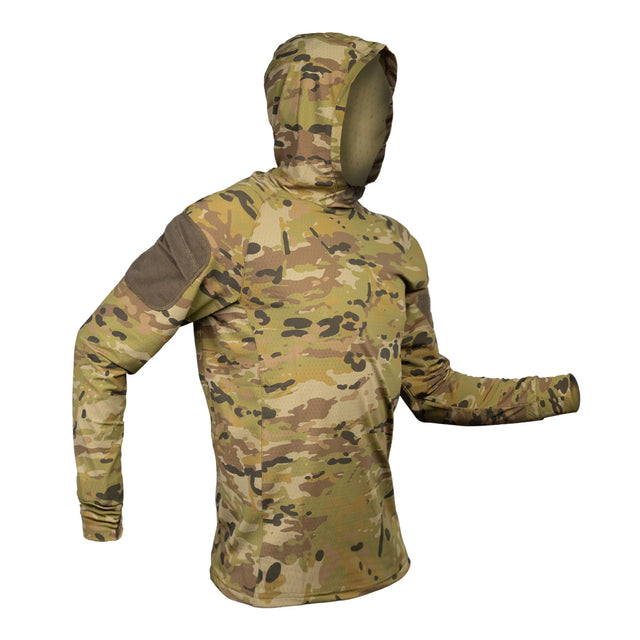
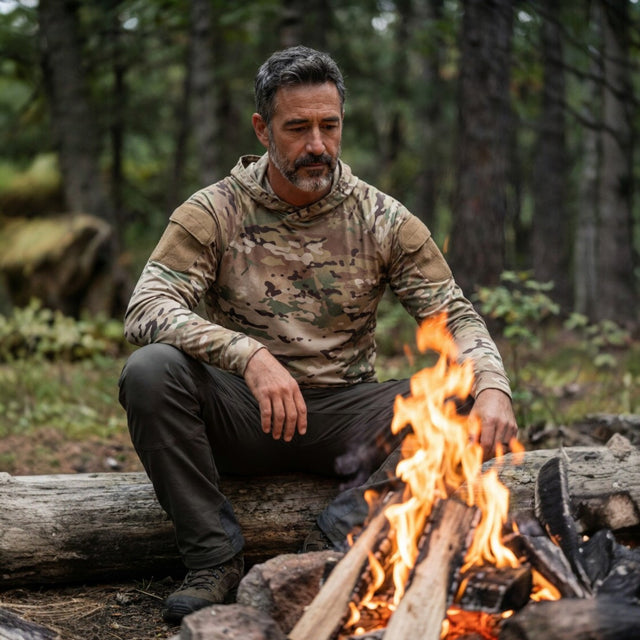
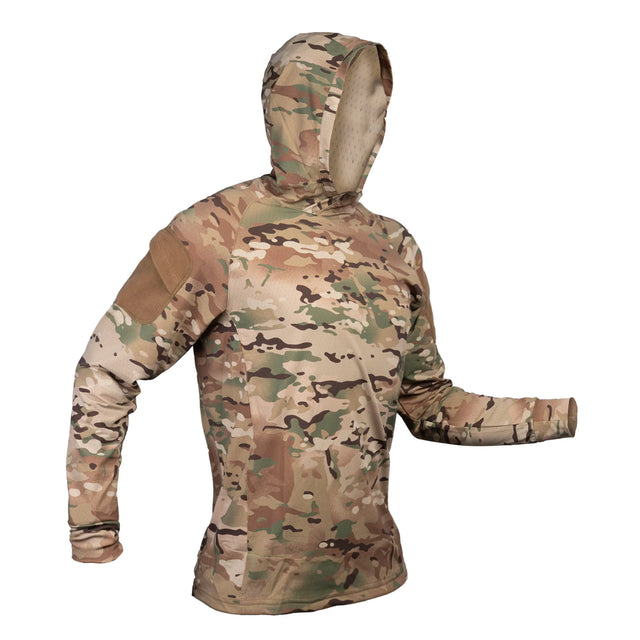
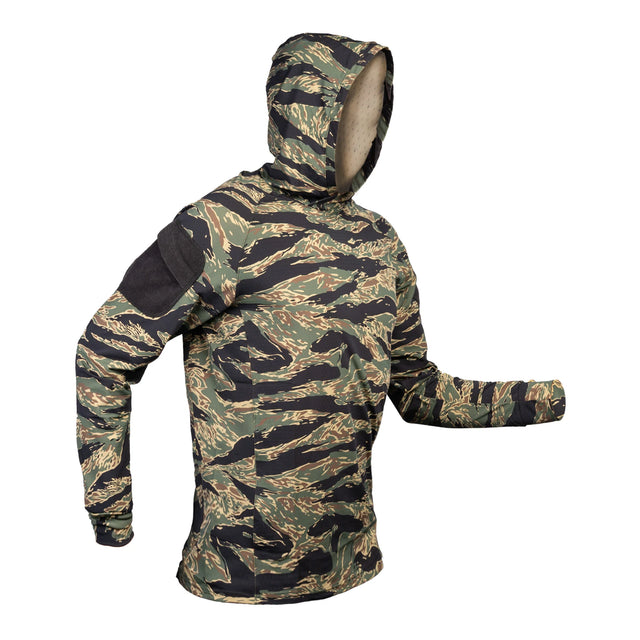
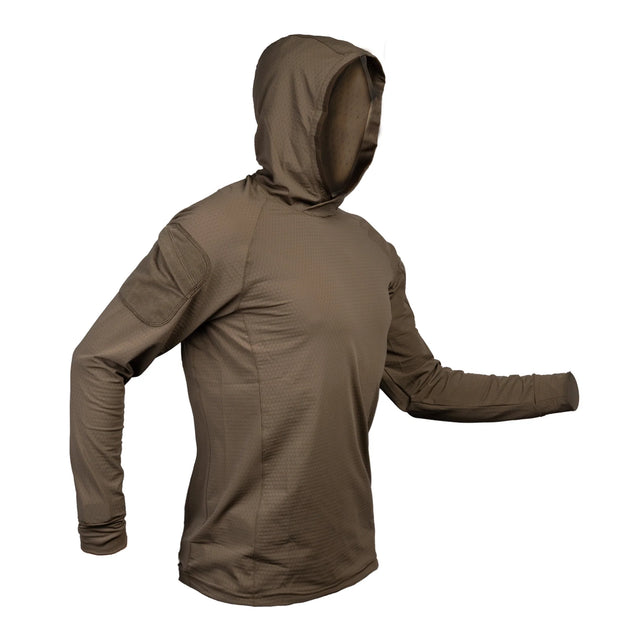
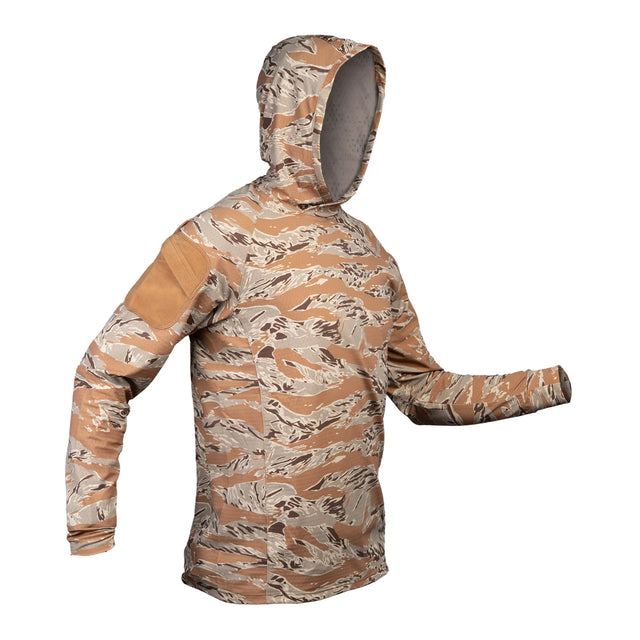
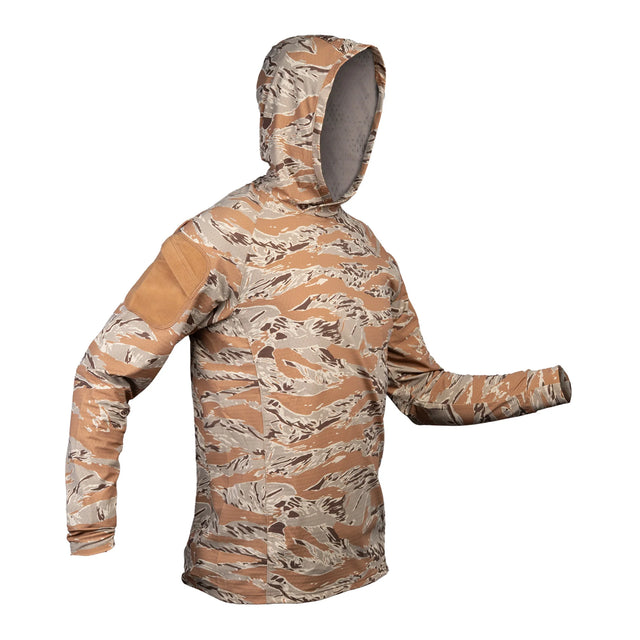
ERDL Camouflage Collection
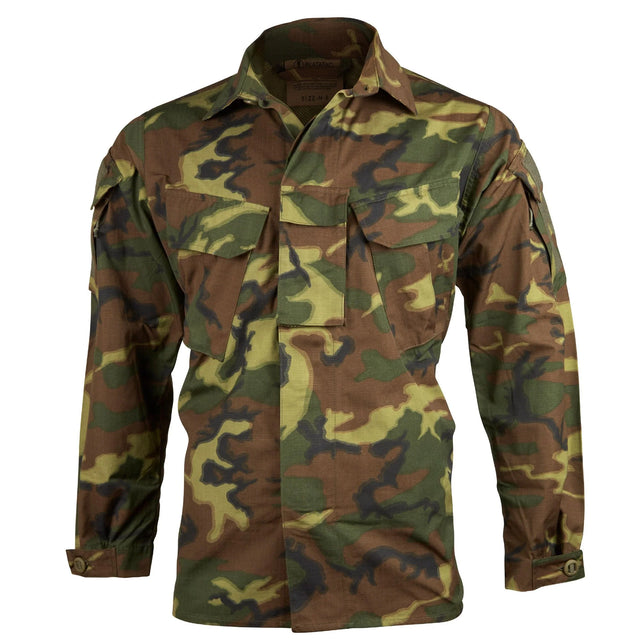
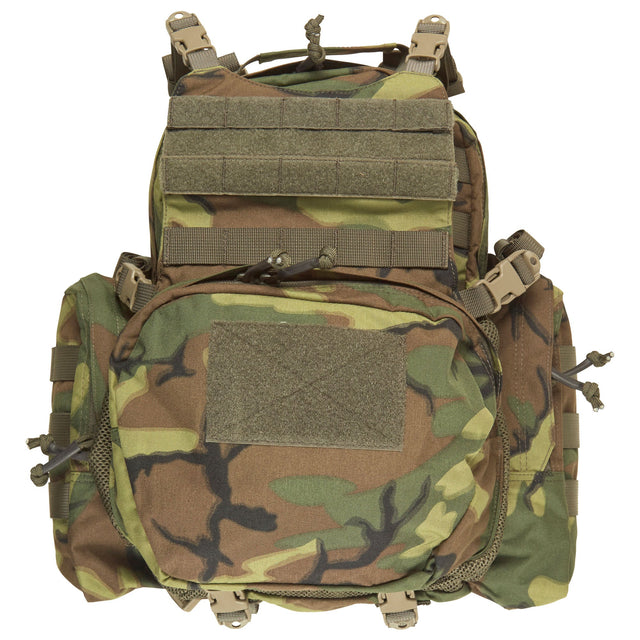
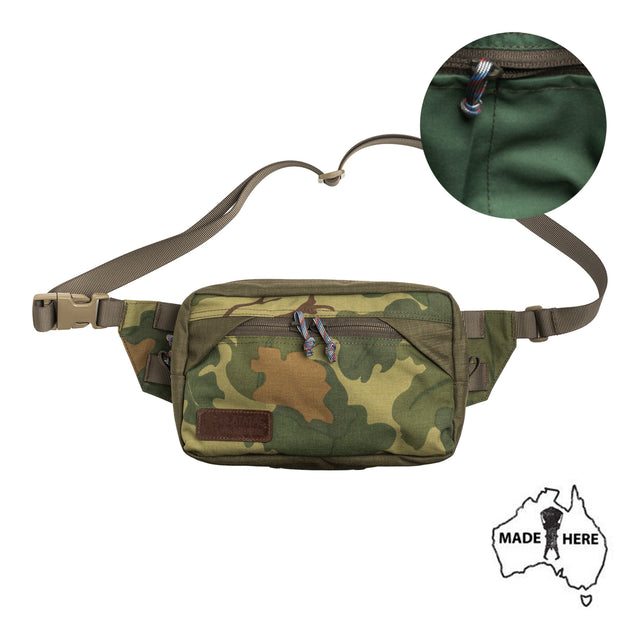
Developed in the late 1940s by the United States Army Engineer Research and Development Laboratory (ERDL), this camouflage pattern became one of the first true modern disruptive designs. Initially created to improve concealment in dense, temperate environments, ERDL was later issued extensively during the Vietnam War, where it proved highly effective in jungle and tropical terrain.
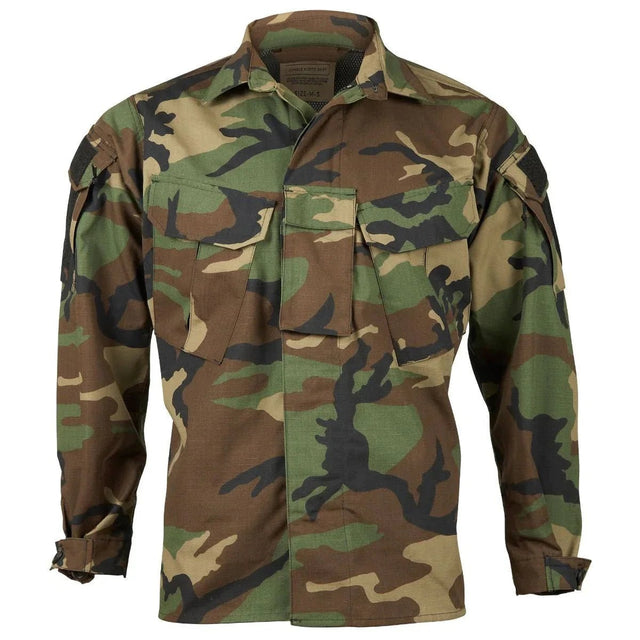
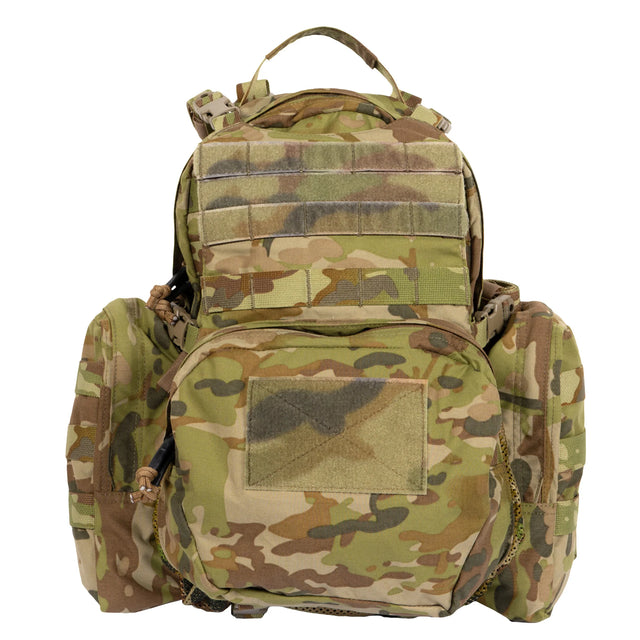
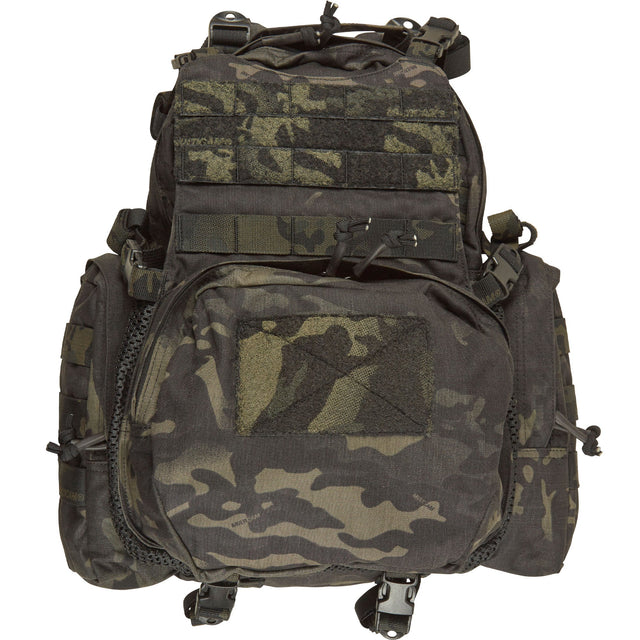
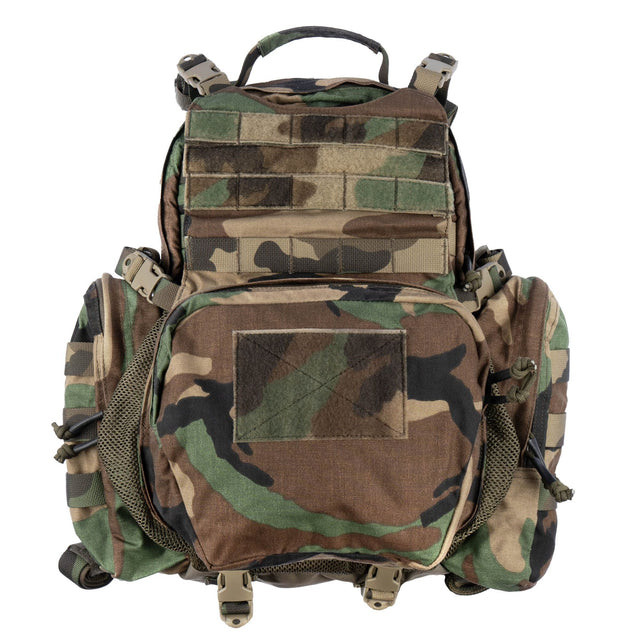
ERDL introduced the now-familiar four-colour woodland palette — green, brown, sand, and black — arranged in organic, high-contrast shapes designed to break up the human silhouette at close and intermediate distances. Two primary variants emerged: the Lowland pattern, with more pronounced black contrast suited to darker jungle environments, and the Highland pattern, with a lighter, more balanced colour distribution for drier terrain.
Its effectiveness and practicality directly influenced the development of the later M81 Woodland pattern, making ERDL the foundation of modern U.S. woodland camouflage.
More than a historical pattern, ERDL remains respected for its disruptive effectiveness, balanced palette, and operational heritage.
The origin of Woodland. Proven where it mattered most.